

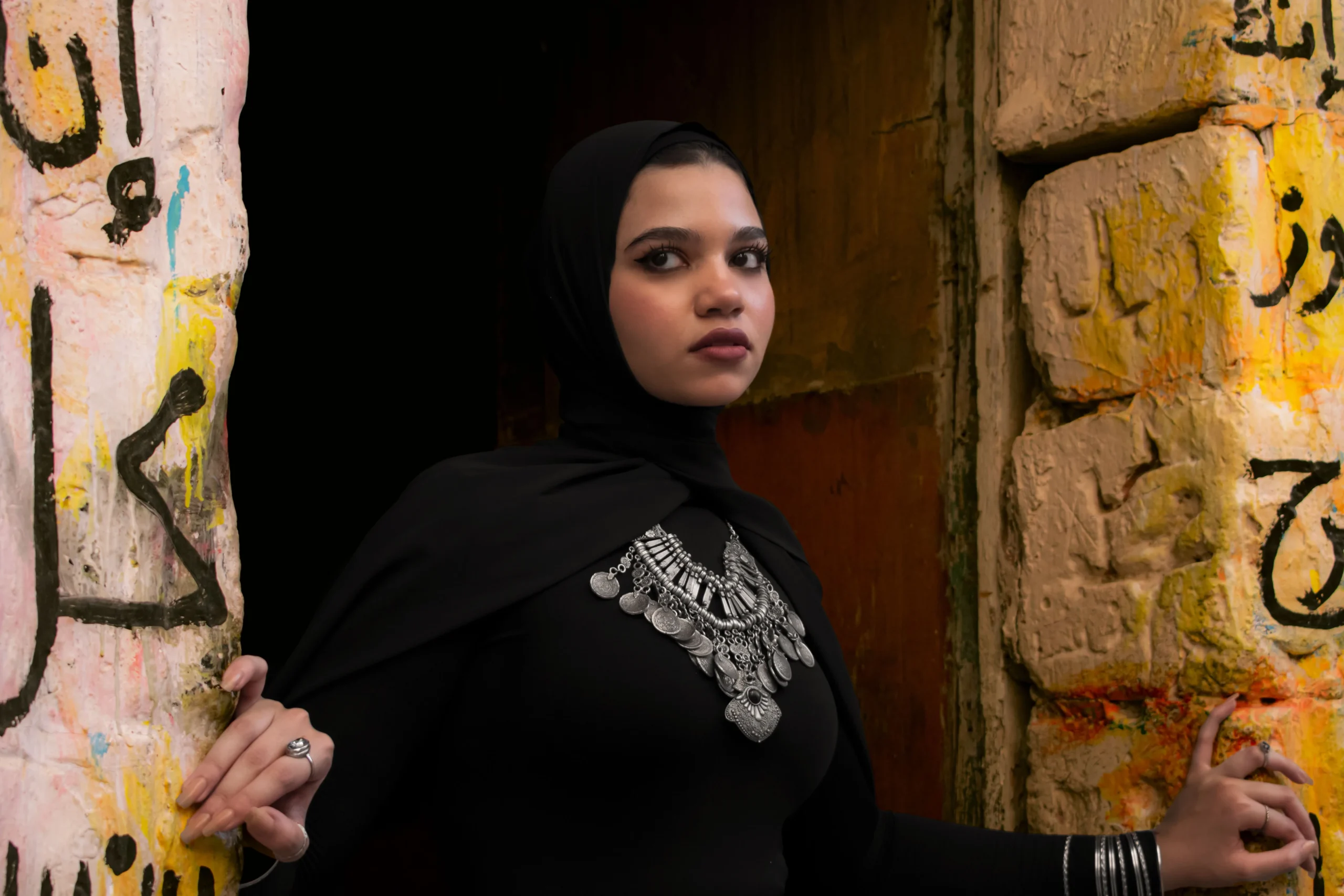
Picture a man in a crisp white galabeya walking past a Nile-side field at sunrise. Now picture a pharaoh in a pleated linen kilt, carved into a temple wall thousands of years ago. Different centuries, strangely similar logic: loose, light, breathable cloth made for a hot, bright land.
That is the heart of Egyptian cultural clothing. It is a story told in fabric, and once you know how to read it, every market, village and temple you visit feels a little more alive.
At Turquoise Dahabiyas, we love helping travelers understand Egypt beyond the postcard views. So here is our guide to what Egyptians wear, what their ancestors wore, and what it all means for you as a visitor.
What Is Traditional Egyptian Clothing Called?
If you only remember one section, make it this one. Traditional Egyptian clothing has a handful of names you will hear again and again:
| Garment | What it is | Who wears it |
| Galabeya / Jalabiya | A long, loose robe | Men and women |
| Thobe / Thawb | A long tunic or robe | Mostly men |
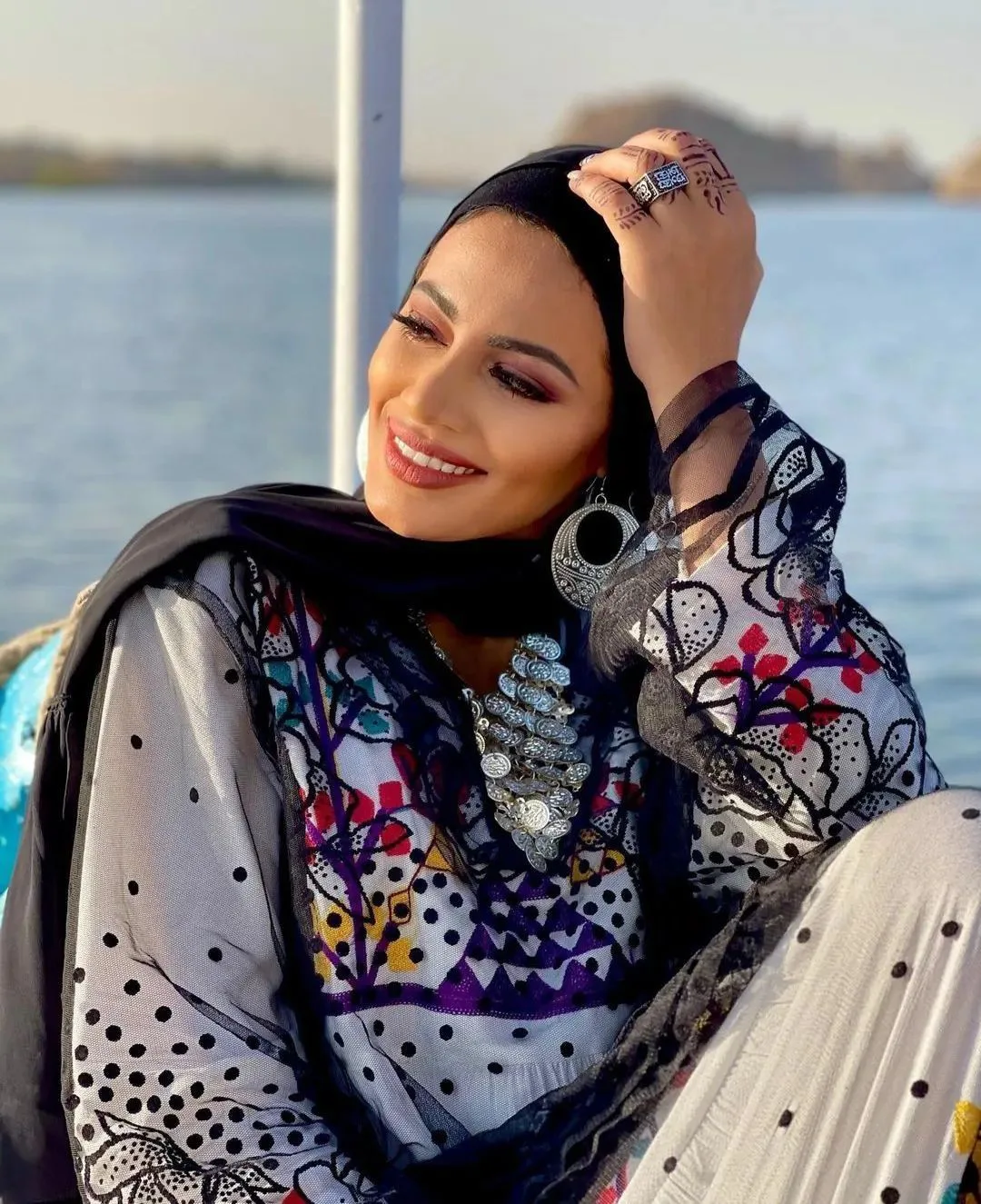
| Abaya | A black outer cloak | Women |
| Hijab / Tarha | A headscarf | Women |
| Imma | A turban | Men |
| Shemagh / Keffiyeh | A head and shoulder scarf | Mostly men |
| Shendyt | A kilt (ancient Egypt) | Men |
| Kalasiris | A sheath dress (ancient Egypt) | Women |
Spellings vary, so don’t be surprised to see “galabiya” on one sign and “jalabiya” on another. They point to the same much-loved robe.
Ancient Egyptian Clothing: Linen, Pleats and Jewelry
Ancient Egyptians dressed mainly in linen, a light fabric that suits the climate. Men wore the shendyt kilt. Women wore the kalasiris, a sheath dress that was often pleated and held by straps.
Elite Egyptians took it further. Think sheer, pleated linen, wigs and plenty of jewelry. The broad collar necklace is the icon here. You have seen it on countless statues and tomb paintings, and it is still copied in heritage fashion today.
Linen also carried meaning. It is linked with purity, and it solved a very practical problem: staying comfortable under a strong sun.
Tip for travelers: when you visit ancient sites, look closely at the carvings. The folds of a kilt or the shape of a collar can tell you a lot about status and style.

The Galabeya: Egypt’s Everyday Icon
Ask anyone what Egyptian traditional dress looks like today and the galabeya usually comes first. It is a long, loose robe worn by men and women.
Is the galabeya still worn in Egypt? Yes. You will see it most in rural areas and on older men in cities. Women wear decorative versions at home and on festive occasions.
It is simple, practical and comfortable. There is a reason it has lasted.
Galabeya vs. Kaftan vs. Abaya
These three get mixed up all the time. Here is the quick difference:
- Galabeya: a long robe for everyday wear, worn by men and women.
- Kaftan: often more decorative, and popular in modest fashion.
- Abaya: a black outer cloak for women, sometimes embroidered.
Regional Styles: Egypt Is Not One Wardrobe
Egyptian cultural clothing changes from place to place. A few examples:
| Region / Group | Style to look for |
| Sinai Bedouin | Embroidered black robes, with Etamin stitching as a cultural heritage craft |
| Upper Egypt (Saidi) | Black Malas Saidi fabric worn by women, with distinctive embroidery |
| Rural villages (Fellahin) | Galabeya-based dress, often colorful and modest |
| Sohag village | Handmade Tally embroidery |
| Cities | A mix of modern modest fashion and everyday wear |
This is why a trip through Egypt feels so varied. The clothing is part of the local identity.
Embroidery and Fabrics Worth Noticing
If you enjoy crafts, keep an eye out for these:
- Etamin stitching: Bedouin embroidery technique from Sinai.
- Tally embroidery: handmade work from a village in Sohag.
- Al-Khayamina fabric: decorative textile with mosque and lunar motifs, used in modern designs.
- Malas Saidi: the black traditional fabric of Upper Egyptian women, now being adapted for modern pieces.
- Egyptian cotton: the best-known modern fabric, lightweight and breathable.
Each piece carries hours of handwork, which is why these items make meaningful keepsakes.

Accessories: Headwear, Scarves and Jewelry
Clothing is only half the picture. Accessories finish the look:
- Tarha: a women’s head covering for daily and ceremonial use.
- Imma: a turban, historically and in rural areas.
- Shemagh / Keffiyeh: a practical scarf and a cultural symbol.
- Desert scarf: protection from sun and sand.
- Traditional jewelry: broad collars, scarabs and gold or faience pieces, both ancient and modern.
- Sandals: a simple, long-standing companion to traditional dress.
Weddings, Ramadan and Eid: Clothing for Celebrations
Special occasions bring out special outfits. Egyptian women often wear regional wedding dresses with embroidery, bright colors and modest cuts. Some use heritage fabrics such as Malas Saidi.
During Ramadan and Eid, you will see festive modest wear such as galabeyas, kaftans and embroidered abayas. Celebration clothing is often new, decorative and culturally symbolic. If your travel dates overlap with these times, you will notice the atmosphere in the streets and shops.

Modern Egyptian Fashion: Where Heritage Meets Today
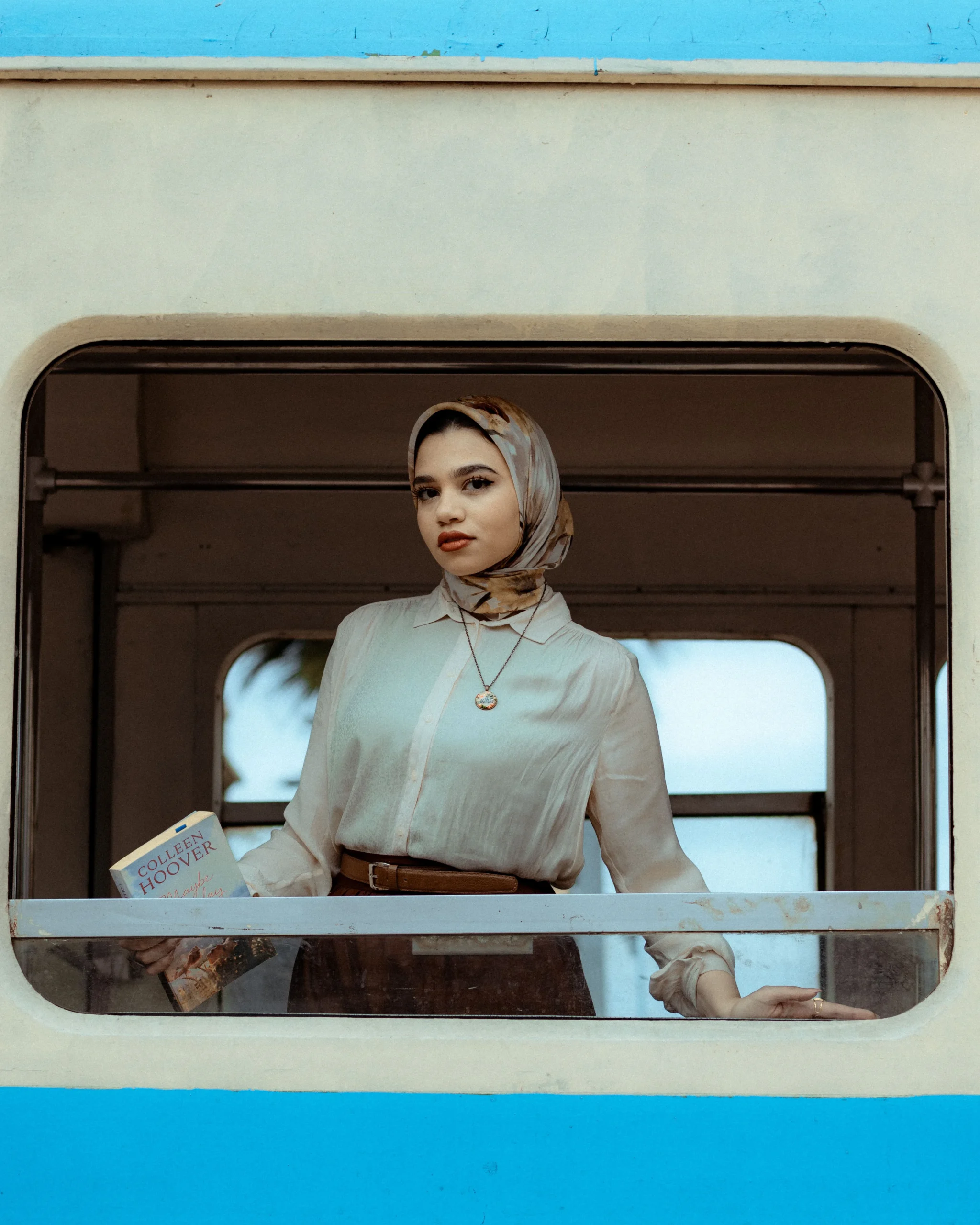
Egypt’s clothing story is still being written. Egyptian modest fashion blends Islamic values, such as hijab and coverage, with contemporary cuts. Designers weave in Pharaonic symbols, folk embroidery and heritage fabrics, and some focus on sustainable materials such as cotton and linen.
Egyptian cultural fashion designers, such as Fayza Ahmed, bring these traditions into modern wear. The result is clothing that respects the past without looking stuck in it.
Why This Matters for Your Trip
Understanding Egyptian cultural clothing helps you in three simple ways:
- You see more. Temple reliefs, village streets and local markets all make more sense.
- You connect better. Knowing the names of a galabeya or a tarha makes conversations warmer.
- You shop smarter. You can tell embroidery, fabric and style apart, and choose pieces with real meaning.
Many travelers also ask what they should pack. Lightweight, breathable fabrics such as linen and cotton follow the same logic Egyptians have used for centuries.
Frequently Asked Questions
What did ancient Egyptians wear?
Mostly linen. Men wore the shendyt kilt, and women wore the kalasiris sheath dress. Elites added pleated, sheer linen, jewelry and wigs.
What fabric is most associated with Egyptian clothing?
Linen in ancient times and Egyptian cotton today. Both are lightweight, breathable and culturally significant.
Do Egyptian women wear traditional dresses for weddings?
Yes. Styles vary by region, often with embroidery, bright colors and modest cuts.
What is Egyptian modest fashion?
Contemporary clothing that blends Islamic values with modern design, often using traditional motifs and fabrics.
Are there regional differences in traditional clothing?
Yes. Examples include Sinai Bedouin embroidered robes, Upper Egypt’s black Malas Saidi, rural fellahin galabeyas and urban modest fashion.
What accessories are part of Egyptian cultural dress?
Headscarves (tarha, shemagh), turbans (imma), traditional jewelry such as broad collars and scarabs, and sandals.
How is Egyptian cultural clothing used in modern fashion?
Designers combine Pharaonic symbols, folk embroidery such as Etamin and Tally, and heritage fabrics in contemporary modest wear and export collections.
Ready to Experience Egypt Beyond the Postcard?
Clothing is just one thread of Egypt’s story, and it is easier to follow with people who know the country well. If you are thinking about a Nile journey, Turquoise Dahabiyas would love to help.
Fill out the enquiry form on this page to get more information, check the available details, and talk through your journey with our team. Tell us what you are curious about, and we will take it from there.
You can also explore more of our Egypt Nile cruise tips or browse the Egypt travel blog for further inspiration.