

What if the story of Egypt’s greatest temples began not in Luxor or Karnak, but here—where the Nile narrows and the cliffs rise in silence?
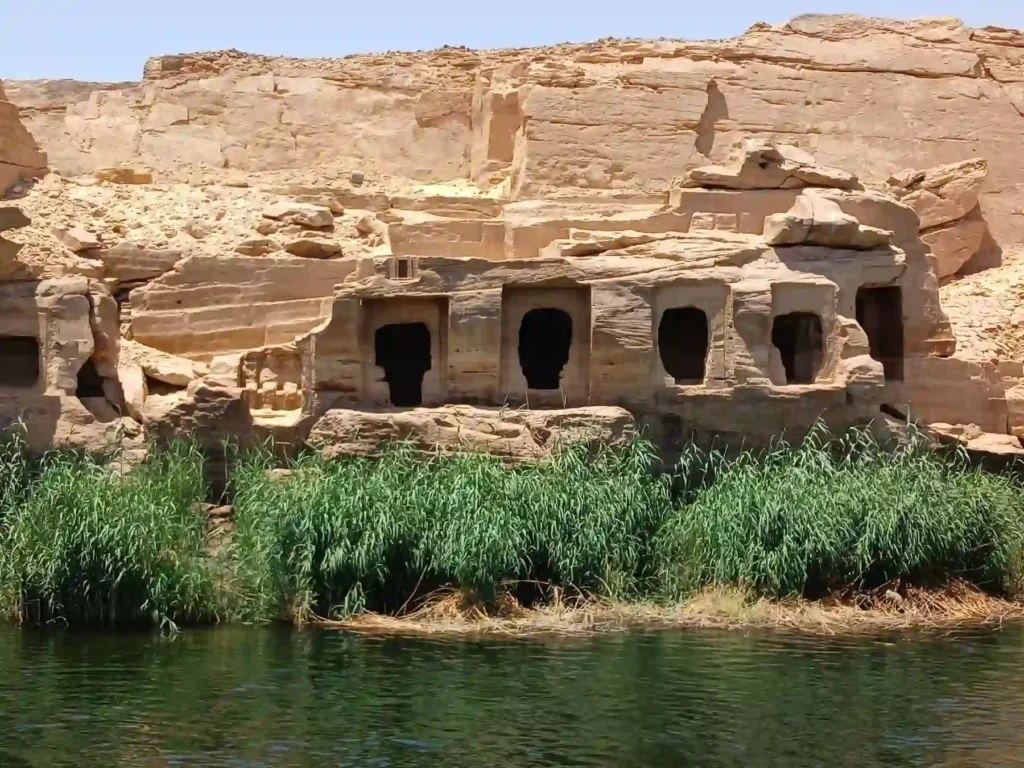
Between Luxor and Aswan lies Gebel el-Silsila Project, a powerful archaeological landscape where ancient quarrymen once cut the stone that built Egypt’s legendary monuments. Today, it is the focus of the Gebel el-Silsila Archaeological Project, where history is still being uncovered.
Arriving by Dahabiya makes this visit truly special. Sailing quietly toward the sandstone cliffs, far from crowds and ports, you experience Gebel el-Silsila through the rhythm of the Nile itself—exactly as it was meant to be seen.
What is the Gebel el-Silsila Project?
The Gebel el-Silsila Project is a long-term archaeological research initiative led by international Egyptologists. Its mission goes beyond excavation. The project focuses on:
- Studying ancient quarrying techniques
- Documenting temples, shrines, and rock-cut chapels
- Preserving inscriptions and reliefs
- Understanding the daily lives of quarry workers and priests
- Supporting heritage protection and local awareness
Unlike many famous Egyptian sites that are “finished stories,” Gebel el-Silsila is living archaeology—new discoveries continue to reshape our understanding of ancient Egypt.
Why Gebel el-Silsila Matters in Ancient Egyptian History?
Gebel el-Silsila was the primary sandstone quarry for New Kingdom temples, including:
- Karnak Temple
- Luxor Temple
- Edfu Temple
- Kom Ombo Temple
This means that when travelers admire monumental columns and pylons elsewhere, they are ultimately connected to the cliffs of Gebel el-Silsila. The site also features:
- Rock-cut shrines dedicated to Nile deities
- Stelae of pharaohs such as Horemheb and Ramses II
- Evidence of religious rituals honoring the Nile flood
Gebel el-Silsila represents the industrial, spiritual, and environmental relationship between ancient Egyptians and the river.
Experiencing Gebel el-Silsila by Dahabiya
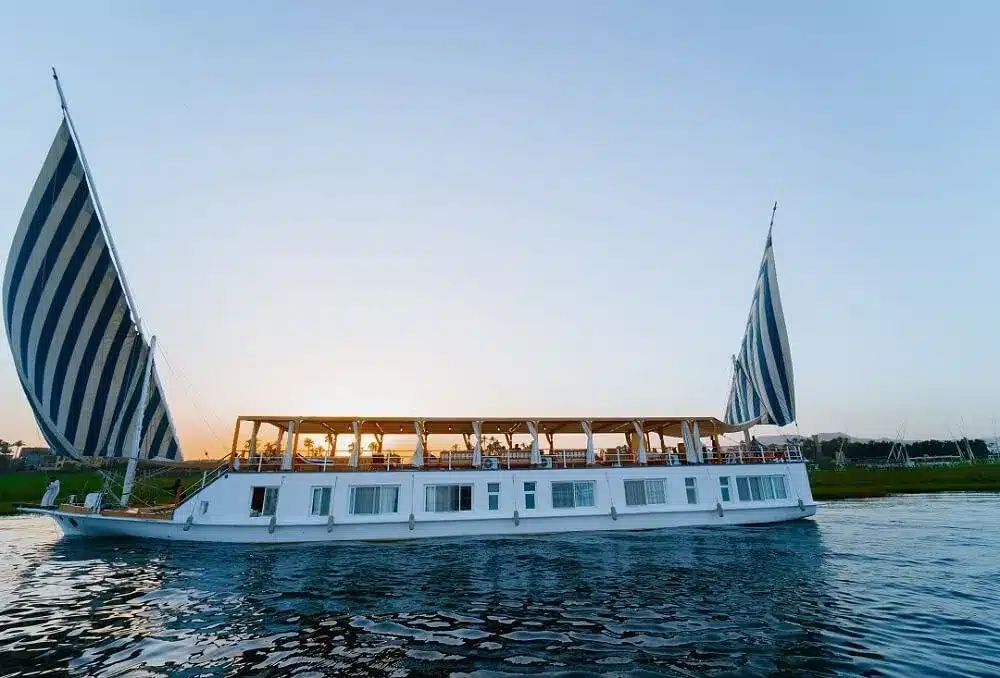
A Dahabiya Nile cruise offers the most authentic way to experience Gebel el-Silsila. Large cruise ships often pass by without stopping, while Dahabiyas can anchor quietly beside the cliffs.
With Turquoise Dahabiya, guests experience:
- Calm access away from crowds
- Guided exploration at a natural pace
- Time to absorb the landscape and silence
- A sense of discovery rather than checklist tourism
This slow approach mirrors how ancient Egyptians themselves interacted with the Nile—respectfully and rhythmically.
Luxor to Aswan Dahabiya Cruise
Exclusive Nile Itineraries
Gebel el-Silsila and Cultural Travel Values
The Gebel el-Silsila Project aligns closely with the values of conscious, cultural travelers:
- Respect for archaeological research
- Preservation of lesser-known heritage sites
- Education through experience
- Sustainable tourism away from overcrowded landmarks
By including Gebel el-Silsila in its itineraries, Turquoise Dahabiya supports a form of travel that values understanding over spectacle.
A Unique Stop That Complements Famous Temples
After visiting iconic temples like Karnak or Edfu, Gebel el-Silsila offers something different:
- Fewer tourists
- More open landscapes
- A deeper look into how monuments were created
It completes the story of ancient Egypt by showing not just the finished temples, but where they began.
Nile Cruise Cultural Experiences
Why Gebel el-Silsila Appeals to Turquoise Dahabiya Guests?
Gebel el-Silsila is especially appealing to:
- Travelers interested in archaeology and history
- Guests who appreciate exclusive, off-the-beaten-path sites
- Luxury travelers seeking meaningful experiences
- Repeat visitors to Egypt looking for something new
This makes it a perfect match for the Dahabiya audience, who value depth, privacy, and authenticity.
From Quarry to Cruise: A Story Told on the Nile
What makes Gebel el-Silsila truly special is its geographical and narrative connection to the Nile itself. Stones were cut here, loaded onto boats, and transported north—much like today’s Dahabiya sails peacefully along the same route.
Experiencing this site while sailing creates a powerful sense of continuity between past and present.
Discover the Nile’s Hidden Archaeological Heart
Sail beyond the famous temples and discover Gebel el-Silsila, one of Egypt’s most important archaeological landscapes. With Turquoise Dahabiya, your visit becomes part of a refined cultural journey—quiet, exclusive, and deeply connected to the Nile’s history.
Book Your Journey Through Living History
Gebel el-Silsila Project FAQs
What is the Gebel el-Silsila Project?
The Gebel el-Silsila Project is an ongoing archaeological research initiative studying Egypt’s most important ancient sandstone quarry and surrounding religious sites.
Can I visit Gebel el-Silsila on a Nile cruise?
Yes. Gebel el-Silsila is best visited on a Dahabiya Nile cruise, which allows quiet access and sufficient time to explore the site.
Why is Gebel el-Silsila historically important?
It supplied sandstone for Egypt’s major temples and contains shrines, inscriptions, and evidence of ancient quarrying and religious practices.
Is Gebel el-Silsila crowded?
No. Compared to major temples, Gebel el-Silsila remains peaceful and uncrowded, especially when visited by small boats like Dahabiyas.
Does Turquoise Dahabiya include Gebel el-Silsila in its itineraries?
Yes. Turquoise Dahabiya offers carefully planned itineraries that include visits to Gebel el-Silsila as part of a deeper cultural Nile experience.