


Daraw Egypt is not a place you simply pass through. It is a Nile town that asks you to pause, observe, and listen. Located north of Aswan, Daraw lives at a different rhythm—one shaped by river currents, weekly markets, and the quiet consistency of daily life in Upper Egypt. Here, travel becomes less about movement and more about understanding.
Unlike destinations designed for quick visits, Daraw reveals itself slowly. Its streets are animated by local trade, conversation, and routine. The Nile flows beside the town not as a backdrop, but as a presence—guiding livelihoods, timing, and social life. To visit Daraw is to step into a living environment, not a curated attraction.
A Living Nile Town in Upper Egypt
Daraw city Egypt reflects the deeper layers of Upper Egyptian life. Mornings begin early, with shopkeepers arranging goods and fishermen preparing their boats. The air carries familiar sounds—voices calling out prices, footsteps on dust-worn streets, and the distant hum of traffic moving at its own pace. Life here is active, but never rushed.
The town’s relationship with the Nile is practical and emotional. It is a source of trade, transport, and memory. Families gather near the water at the end of the day, watching feluccas glide past as the light softens. In Daraw Aswan, the river is not admired from afar—it is lived alongside.
The Daraw Camel Market: More Than a Spectacle
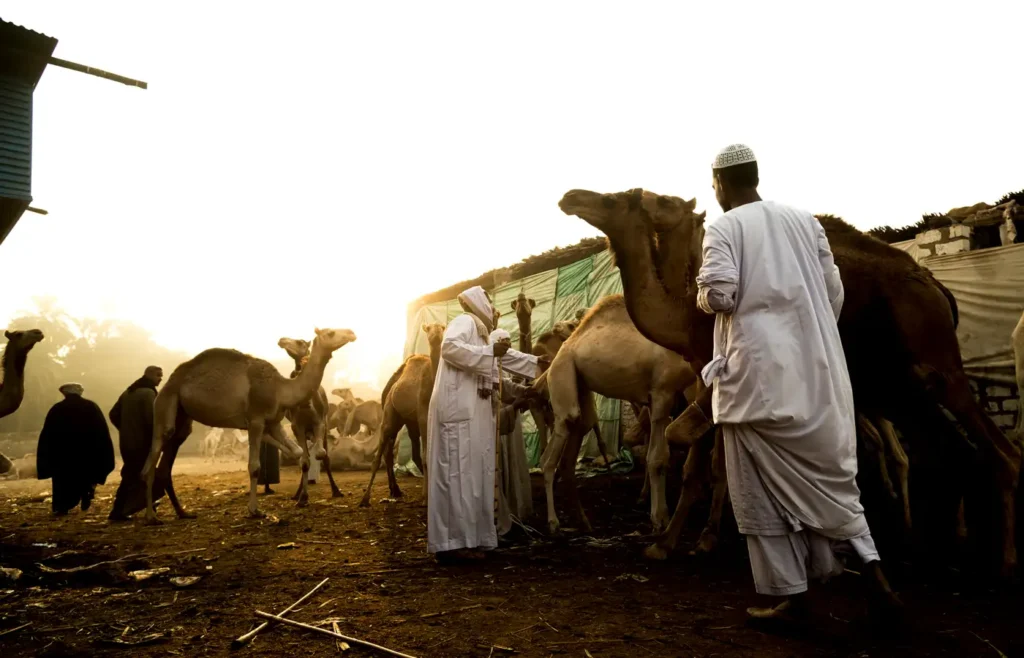
The Daraw camel market is often mentioned first when people speak of the town. Yet to describe it as a tourist highlight would miss its true role. This is not a performance staged for visitors. It is a working market, deeply woven into the economic and cultural fabric of the region.
Camels arrive from Sudan and other parts of Africa, guided by traders who know this land and its routes intimately. Negotiations are calm, practiced, and respectful—built on trust developed over generations. The market is a place of exchange, but also of reunion, where news travels as freely as goods.
Visiting the Daraw market Egypt is not about taking photos from a distance. It is about standing quietly, observing gestures, listening to conversations, and understanding how traditional markets in Egypt still function as social centers rather than commercial events.
Daily Life Beyond the Market
What truly defines Daraw culture lies beyond its most famous market day. On ordinary afternoons, children walk home from school along dusty roads, greeting neighbors by name. Small cafés fill with local men discussing crops, river levels, and family news. Women shop for vegetables, moving with familiarity and ease through streets they know by heart.
This is local life in Upper Egypt as it continues uninterrupted—unpolished, practical, and deeply human. There is no effort to impress, no urgency to explain. Daraw simply exists as it has for decades, shaped by routine rather than tourism.
Places like Daraw Egypt are best experienced when travel allows time for observation—when a journey follows the Nile slowly, leaving space for understanding rather than rushing from one highlight to the next.
Off the Beaten Path, Yet Deeply Connected
For travelers seeking off the beaten path Egypt, Daraw offers something rare: authenticity without isolation. The town is connected—to Aswan, to the Nile trade routes, and to the wider rhythm of southern Egypt—yet it remains untouched by mass tourism.
There are no polished visitor centers or scripted experiences. Instead, the reward comes through presence. Sitting quietly near the river. Watching market preparations unfold. Noticing how the town changes with the time of day. Visiting Daraw Egypt becomes an exercise in attention rather than itinerary.
Why Daraw Egypt Belongs in a Slow Nile Journey?
Daraw is not a destination that demands a checklist. It fits naturally into a slow, well-considered Nile journey—one that values continuity over speed. Approaching Daraw by river allows the traveler to understand its context: how Nile towns Egypt rely on the water not as scenery, but as structure.
This is why thoughtful river travel matters. When a journey is unhurried, towns like Daraw are not reduced to stops. They become chapters. Exploring the region through a carefully planned Nile itinerary allows space for these subtle encounters—moments that define meaningful travel.
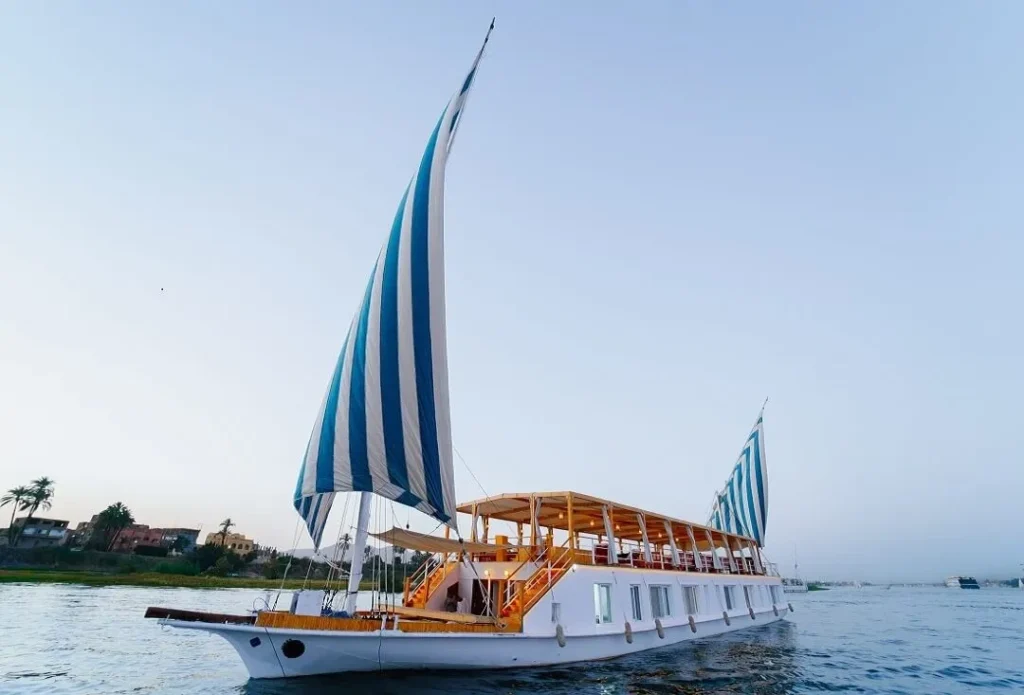
Journeys designed with the philosophy of slow travel, such as those curated by Turquoise Dahabiya, create the conditions Daraw requires. Not to be consumed, but to be understood.
Daraw as a Place You Learn From
Daraw Egypt leaves its mark quietly. There are no grand monuments or dramatic reveals—only the steady rhythm of life along the Nile, the weight of tradition carried through daily routines, and moments of connection that stay with you long after you move on. It is a place that reminds you why travel matters when it slows down—when it allows space for understanding, not just seeing.
Experiencing Daraw is most meaningful when it is part of a thoughtfully paced Nile journey, where towns are encountered as living communities rather than brief stops. Approached by river, Daraw becomes a chapter in a larger story—one shaped by time, continuity, and the gentle flow of the Nile itself.
If you’re drawn to travel that values depth, authenticity, and unhurried discovery, explore Daraw Egypt as part of a slow Nile journey curated with care. Discover our Nile itineraries and experience Upper Egypt through the philosophy of Turquoise Dahabiya—where the river sets the pace, and every place has time to speak.
FAQs
Is visiting the Daraw camel market safe for tourists?
Absolutely. The market operates smoothly with traders accustomed to and welcoming of visitors. Move with intention around animals, ask before photographing, and be mindful of the crowd.
How long should I spend in Daraw?
A rushed morning feels transactional. A full day—market at dawn, afternoon exploring the town, evening by the Nile—begins to reveal the real rhythm. Overnight stays connect you to deeper understanding. A multi-day Nile journey that includes Daraw as one stop (not the only stop) is ideal.
How does a local guide enhance the Daraw experience?
A local guide introduces you to traders as individuals, reveals the stories behind camel breeds, and uncovers historical layers in every transaction. These personal connections deepen understanding in ways independent exploration cannot, often becoming the most memorable part of your journey.
What’s the best time of year to go?
October through March offers ideal conditions with moderate temperatures and vibrant market activity. Yet Daraw welcomes visitors year-round—each season reveals different rhythms. Spring and autumn bring their own charm, while summer’s intensity creates a deeper, more immersive experience for those seeking authentic presence.
How does visiting Daraw fit into a larger Egypt trip?
Daraw shines as part of a Nile journey from Aswan to Luxor—a natural waypoint 2–3 hours from Aswan where you can linger without rush. A dahabiya-based journey creates the ideal conditions: time to explore at your own pace, space to connect with the community, and the rhythm that allows genuine discovery to unfold naturally.
What makes Daraw market Egypt different from other traditional markets in Egypt?
The Daraw camel market thrives on genuine trade. Traders conduct real negotiations, animals exchange hands based on authentic value, and the entire market moves with purpose that remains completely alive and functional. This is where you witness commerce exactly as it has operated for centuries—unfiltered and authentic.
Want to experience Daraw Egypt as part of a slow Nile journey? Contact Turquoise Dahabiya today.



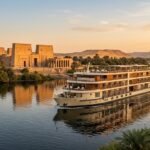

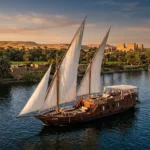

[…] Abu Simbel (Ramesses II & Nefertari); Herdiab Island; continue to Daraw […]