


Egypt is not just temples and pyramids — it is also a country rich in flavor, history, and culinary tradition.
Egypt traditional food reflects centuries of culture shaped by the Nile, local agriculture, and Mediterranean and Middle Eastern influences. For travelers, discovering traditional Egyptian cuisine is one of the most authentic ways to experience the country.
Whether you’re exploring Cairo or sailing the Nile, here’s what to eat — and where to enjoy it.
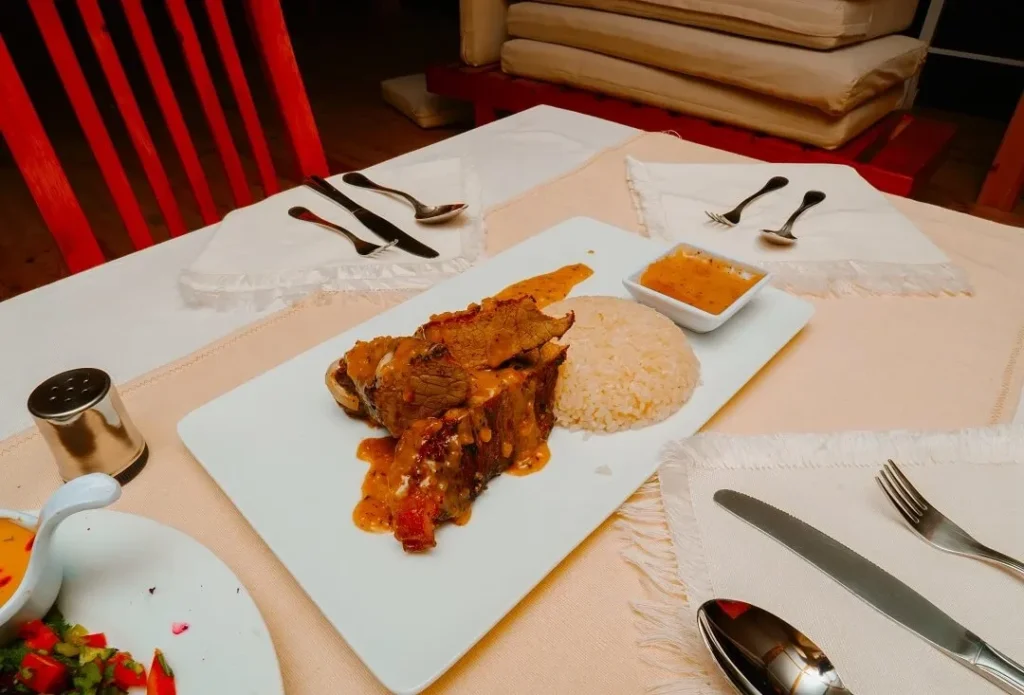
What Is the Most Famous Egypt Traditional Food?
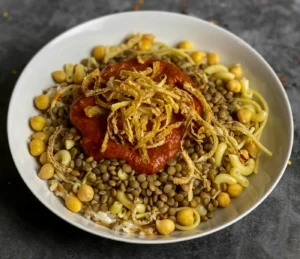
The most famous Egypt traditional food is koshari, widely considered the Egyptian national dish.
It combines: Rice, Lentils, Pasta, Chickpeas, Tomato sauce, and Crispy fried onions
It’s vegetarian, filling, affordable, and deeply loved by locals.
Other iconic authentic Egyptian dishes include:
-
Ful medames – slow-cooked fava beans, often eaten for breakfast
-
Taameya – Egyptian falafel made with fava beans
-
Molokhia – green herb stew served with rice and chicken or rabbit
-
Mahshi – vegetables stuffed with herbed rice
These dishes define traditional Egyptian cuisine and are available across the country.
What to Eat in Egypt as a Tourist?
If you’re visiting Egypt for the first time, focus on dishes that are both traditional and widely available.
Here are safe and popular choices:
-
Koshari
-
Grilled kofta and kebab
-
Ful and taameya
-
Fresh baladi bread
-
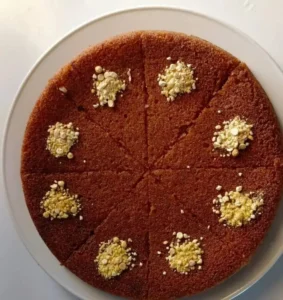
Basbousa and konafa for dessert
Travelers looking to explore food in Egypt for tourists often start in Cairo, where restaurants serve both street-style and refined versions of Egyptian local food. You can also discover Cairo’s cultural highlights while enjoying its culinary scene.
Is Egyptian Street Food Safe for Tourists?
Yes — Egyptian street food can be safe when chosen carefully.
To enjoy Egyptian street food safely:
-
Eat at busy places with high turnover
-
Choose freshly cooked food
-
Avoid raw or unrefrigerated items
-
Drink bottled water
Many traditional dishes like taameya and grilled meats are prepared fresh, making them popular and relatively safe options.
For a more curated experience, many travelers prefer enjoying Egypt traditional food in controlled dining settings — especially during a Nile cruise.
Are There Vegetarian Options in Egyptian Cuisine?
Absolutely.
Many traditional Egyptian dishes are naturally vegetarian.
Examples include:
-
Koshari
-
Ful medames
-
Taameya
-
Lentil soup
-
Mahshi (vegetable stuffed versions)
Vegetarian Egyptian food is flavorful, protein-rich, and widely available. This makes Egypt an easy destination for plant-based travelers.
Where Can Tourists Try Authentic Egyptian Food?
Tourists can experience authentic Egyptian dishes in:
-
Local restaurants in Cairo
-
Traditional eateries in Luxor and Aswan
-
Carefully curated dining experiences onboard a Nile cruise
One of the most memorable ways to experience Egypt traditional food is while sailing between Luxor and Aswan in comfort aboard a private Dahabiya.
Unlike large cruise ships, a luxury Dahabiya Nile cruise offers:
-
Intimate small-boat Nile experience
-
Freshly prepared local cuisine
-
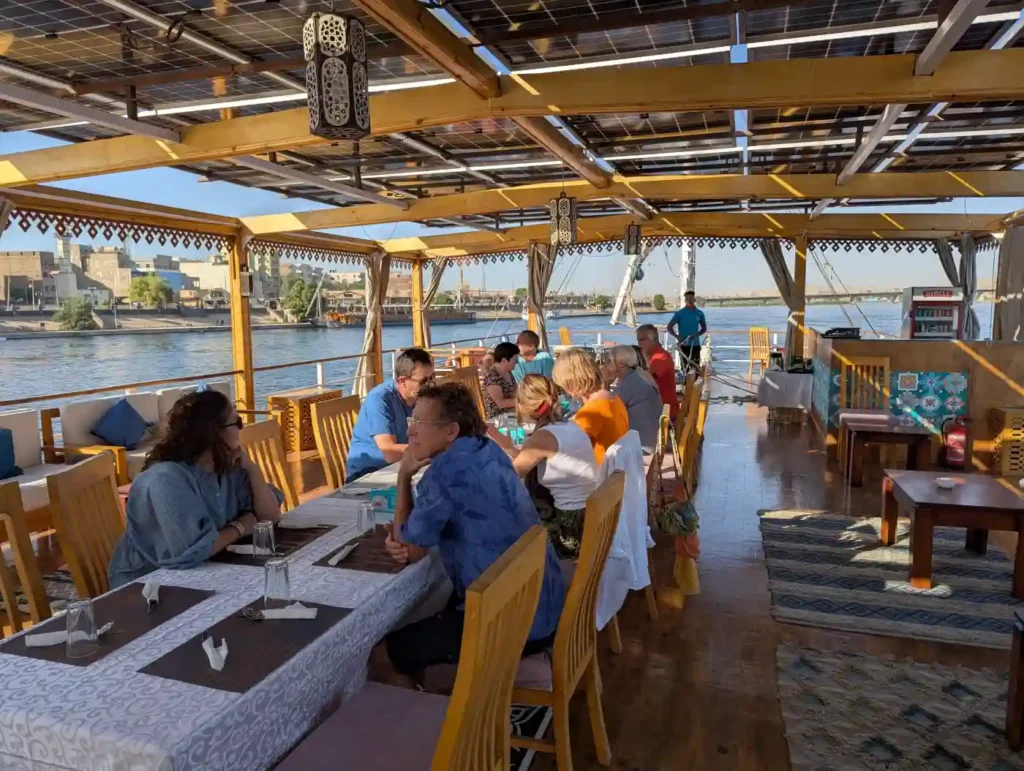
Scenic dining views along the Nile
-
Peaceful stops away from crowds
The combination of landscape, history, and traditional cuisine creates a deeper cultural immersion.
Why Traditional Food Tastes Better on the Nile?
Food is not just about ingredients — it’s about context.
Enjoying traditional Egyptian cuisine while watching the Nile at sunset transforms a meal into an experience. The slower rhythm of river travel connects you to the agricultural roots that shaped Egypt traditional food for centuries.
It’s a journey through taste, scenery, and heritage all at once.
Dining Experience on Turquoise Dahabiya
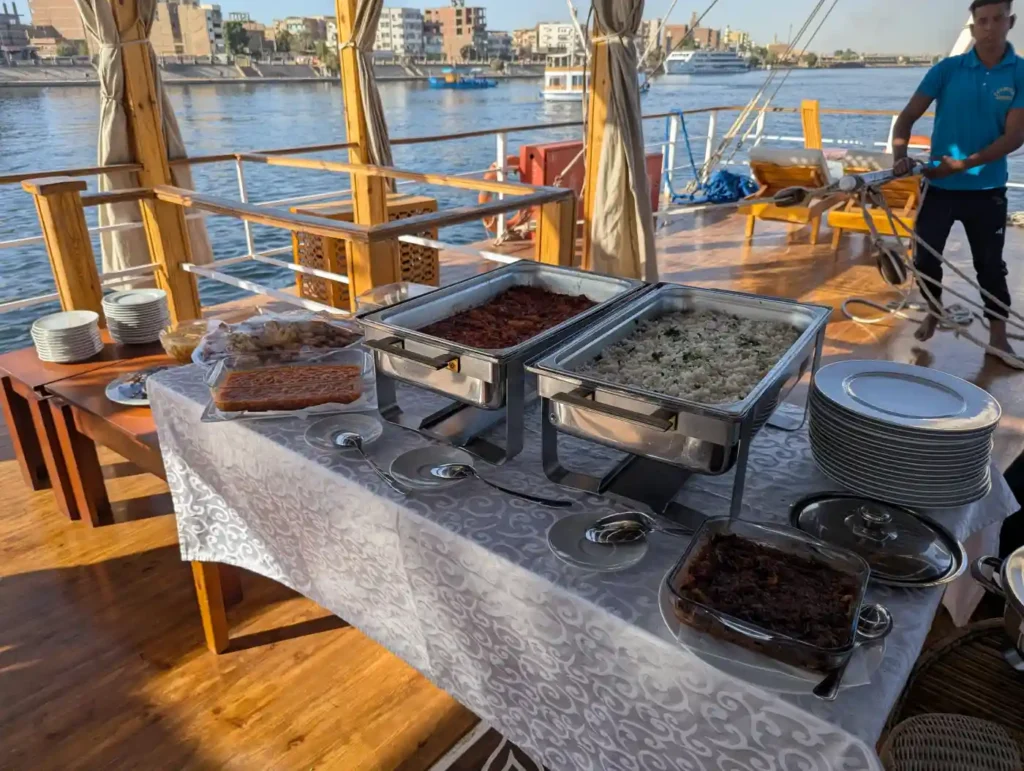
Onboard Turquoise Dahabiya, traditional Egyptian food becomes an unforgettable experience. Each meal is freshly prepared using local ingredients sourced from the Nile Valley, blending authentic flavors with elegant presentation.
Guests enjoy:
-
Riverside dining under the stars — soft Nile breezes, calm water reflections, and uninterrupted views
-
Personalized menus — tailored to your preferences while keeping dishes true to Egyptian tradition
-
Interactive cultural moments — learn about the ingredients, recipes, and history from our expert crew
-
Relaxed, intimate atmosphere — away from crowded tourist spots, perfect for slow, mindful enjoyment
Every dinner on the Turquoise Dahabiya transforms traditional dishes into a sensory journey, making each bite part of your Egyptian story. It’s not just food; it’s a connection to the land, culture, and hospitality that define Egypt.
FAQs About Egypt Traditional Food
What is the most traditional food in Egypt?
Koshari is considered Egypt’s national dish, followed by ful medames and taameya.
Is Egyptian food spicy?
Egyptian food is usually mild. Spicy sauces are optional.
Is traditional Egyptian food safe for tourists?
Yes, when eating at reputable restaurants and choosing freshly prepared dishes.
Are there vegetarian options in Egyptian cuisine?
Yes. Many traditional dishes are naturally vegetarian, including koshari and ful.
Where can tourists try authentic Egyptian food?
In Cairo restaurants, local eateries in Luxor and Aswan, or onboard a luxury Nile cruise.
Experience Egypt Beyond the Guidebooks
Egypt is more than monuments — it’s flavor, hospitality, and slow, meaningful travel.
If you’re planning a journey through Egypt, experience authentic cuisine while sailing privately along the Nile aboard a refined Dahabiya designed for comfort, elegance, and cultural immersion.
Explore our luxury Dahabiya Nile cruises and discover how history, landscape, and traditional flavors come together in one unforgettable experience.
Your Nile story deserves more than a standard tour.
Discover Egypt Traditional Food the Right Way
Experiencing Egypt’s traditional food is more than a meal—it’s a journey through culture, history, and the senses. On Turquoise Dahabiya, every bite tells a story while the Nile flows by, ancient temples pass in view, and the aroma of freshly prepared dishes fills the air.
Want to join us and savor the flavors yourself? Contact us today to plan your unforgettable culinary and cultural adventure on the Nile. Send us a message or call us to reserve your spot and start your journey through Egypt’s food and history.