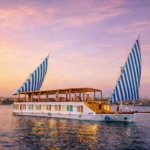


What if your journey through Egypt felt less like a schedule and more like a story unfolding on the water? A traditional Nile river boat offers something rare in modern travel—the chance to slow down, sail quietly past villages and palm-lined banks, and experience the Nile as it was meant to be felt, not rushed. But how do you know if this intimate style of cruising is right for you, and when is the best time to enjoy it at its most atmospheric?
How Ramadan Changes Egypt’s Daily Rhythm?
From sunrise to sunset, observant Muslims fast completely—no food, no water, no smoking. As a result, daytime Egypt becomes noticeably calmer. Traffic softens, shops close earlier, and streets feel suspended in a gentle pause rather than inactive.
This daytime stillness offers travelers rare advantages. Visiting temples in the afternoon often means empty courtyards and uninterrupted views. Photography becomes easier. Guides speak softly, and monuments feel less staged and more timeless.
Then sunset arrives, and everything changes.
Evenings During Ramadan: When Egypt Comes Alive
At sunset, the call to prayer echoes across cities and villages simultaneously. For a short time, Egypt disappears indoors as families gather to break the fast at iftar. Soon after, the streets awaken.
Cafés fill, markets reopen, children play under glowing fanous lanterns, and cities stay alive until well past midnight. Egypt becomes nocturnal, social, and celebratory.
For travelers who visit Egypt during Ramadan, evenings offer the most vivid sense of local life—far removed from tourist performances.
What Visiting Egypt During Ramadan Means for Travelers?
Guidebook schedules do not apply during Ramadan. Restaurant hours shift. Temple closing times change. Flexibility becomes essential.
In return, you gain:
- Early-morning temple visits with minimal crowds
- Evening markets used by locals, not tourists
- Genuine invitations to share iftar
- A country experienced from the inside, not the sidelines
This is where small-scale travel matters.
Why Small-Group Travel Works Best During Ramadan?
Large tour groups struggle during Ramadan. Fixed schedules and rigid logistics clash with shortened hours and spontaneous cultural moments.
Small groups adapt.
When you visit Egypt during Ramadan aboard a traditional dahabiya like Turquoise Dahabiya, flexibility becomes your greatest asset. Temple visits shift earlier. Sailing adjusts to evening light. If a village invitation to iftar appears, the plan changes—because it can.
With only 8–14 guests, decisions are simple. Experiences feel personal, not negotiated.
Visiting Temples During Ramadan: Fewer Crowds, Better Timing
Most archaeological sites close about one hour earlier during Ramadan. This seems like a disadvantage until you realize something important: Egyptians are not sightseeing while fasting, and many large cruise ships reduce operations.
The result is extraordinary access.
Early morning visits to sites like Edfu or Kom Ombo often mean near-total solitude. Light cuts across reliefs at perfect angles. Guides explain without rushing. The silence feels earned.
By late morning, you’re back on the boat, resting in shade while others are just beginning their day.
Cultural Hospitality Reaches Its Peak
Ramadan is not only about fasting. It is about generosity.
During the holy month, acts of kindness carry spiritual weight. This transforms everyday interactions. Shopkeepers offer water after sunset. Drivers refuse payment. Families invite strangers to join their table.
When you visit Egypt during Ramadan, these gestures are not tourist tactics. They are faith in action.
Guests traveling with Turquoise Dahabiya often experience this hospitality directly—sharing iftar with villagers, breaking fast with crew families, or joining community tables set along the riverbank.
These moments are unscripted, emotional, and unforgettable.
Ramadan Food Traditions You’ll Experience
Ramadan cuisine is ritualized and deeply symbolic.
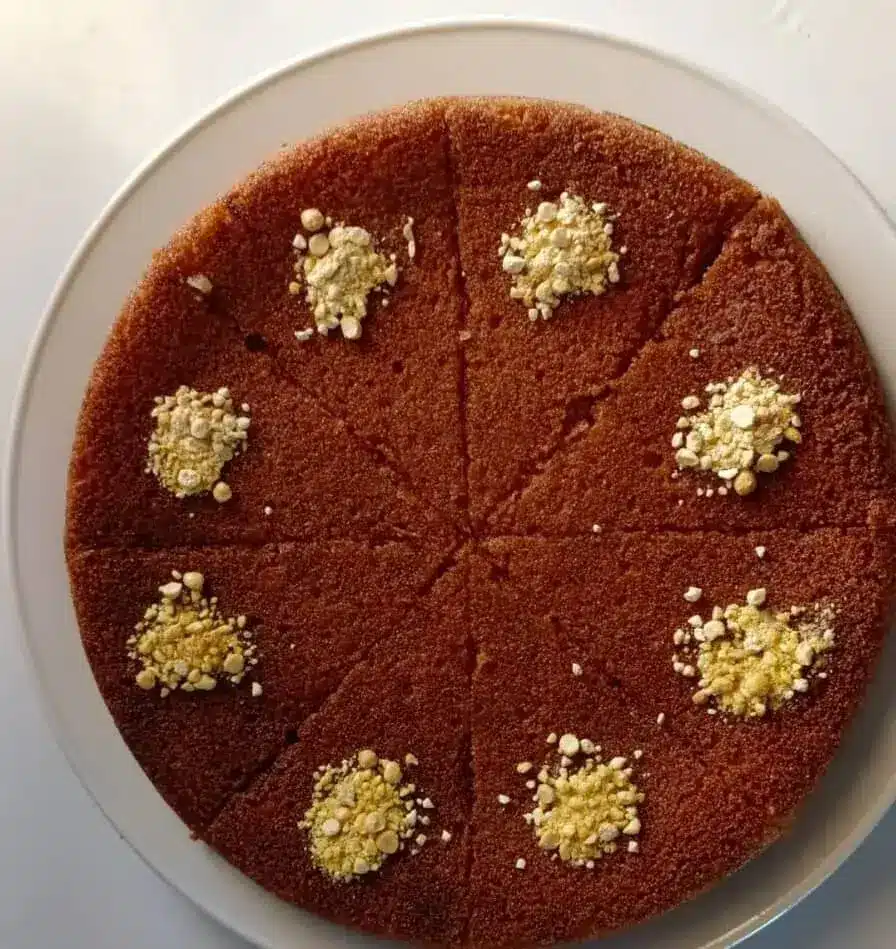
Iftar begins with dates, followed by soup, then generous main dishes. Sweets appear everywhere—especially qatayef and konafa, prepared only during this month.
On board Turquoise Dahabiya, guests are not expected to fast. Breakfasts and lunches are served as usual. In the evenings, however, traditional Ramadan dishes are often incorporated, and genuine local iftar experiences are arranged whenever possible.
The focus is not imitation, but participation.
How to Be Respectful While Visiting Egypt During Ramadan?
Traveling during Ramadan requires awareness, not restriction.
Eat and drink discreetly during the day. Use private spaces such as your hotel or boat. Dress modestly, especially outside resort areas. Avoid public displays of affection and loud behavior.
Alcohol availability is limited. Many bars close temporarily. For travelers who can enjoy Egypt without it, Ramadan poses no issue.
Respect is noticed—and returned generously.
Why Turquoise Dahabiya Is Ideal During Ramadan?
Ramadan rewards travelers who slow down.
Turquoise Dahabiya was designed for exactly this kind of journey. With a small capacity, experienced crew, and deep local relationships, the boat operates in harmony with the river and the month’s rhythm.
Schedules remain structured but flexible. Cultural encounters arise naturally. Guests are not observers—they are welcomed participants.
For travelers seeking depth rather than volume, this approach makes all the difference when you visit Egypt during Ramadan.
Planning Your Ramadan Visit to Egypt
FAQs
Can non-Muslims visit Egypt during Ramadan?
Yes. Non-Muslim visitors are welcome throughout Egypt during Ramadan, with simple expectations of cultural respect.
Are tourist sites open during Ramadan?
Yes. Temples and attractions remain open, usually closing about one hour earlier than usual.
Is it difficult to find food during the day?
Hotels and tourist-oriented restaurants usually serve food privately during the day, though options are reduced.
Is Ramadan a good time for a Nile cruise?
Yes. Crowds are fewer, mornings are quieter, and cultural experiences are richer—especially on small boats.
What is the most important thing to remember?
Flexibility. Schedules change, but meaningful experiences increase.