
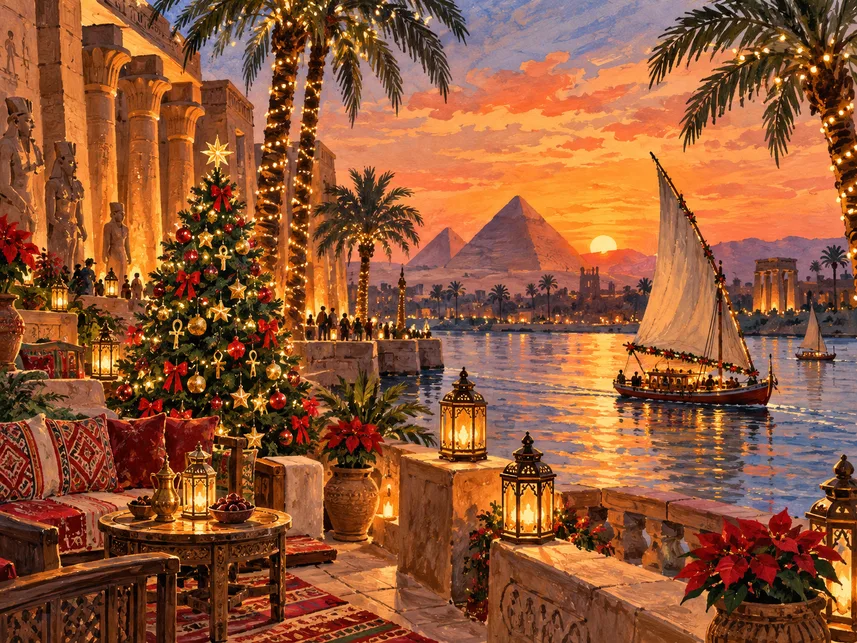
EGYPTIAN CHRISTMAS AT A GLANCE
Coptic Christmas Is Celebrated on January 7
A 43-day fast, midnight liturgies, family feasts and living Christian heritage along the Nile.
Nov 25 – Jan 6
Coptic Nativity Fast (43 days)
January 6
Christmas Eve liturgy in Coptic churches
January 7
Coptic Christmas Day · public holiday
Christmas in Egypt is a celebration shaped by centuries of Christian heritage, religious devotion, family gatherings, and distinctive local traditions. While much of the Western world celebrates Christmas on December 25, Egypt’s Coptic Orthodox Christians traditionally celebrate the Nativity on January 7, following weeks of fasting and spiritual preparation.
Understanding Egypt Christmas customs reveals a fascinating side of Egyptian culture. From the solemn beauty of Christmas Eve church services to tables filled with traditional food, the holiday combines religious observance with the warmth of Egyptian family life.
For international travelers, Christmas in Egypt also offers an opportunity to experience the country’s living Christian heritage. Historic churches, Coptic hymns, seasonal decorations, and festive gatherings reveal traditions that differ from those commonly associated with Christmas in Europe, North America, and Australia.
Whether you’re planning a Christmas holiday in Egypt or simply curious about Egyptian Christmas traditions, this guide explains the most important customs, celebrations, foods, dates, and practical considerations for visitors.
When Is Christmas Celebrated in Egypt?
Egypt celebrates Christmas on more than one date because its Christian communities follow different religious calendars.
The Coptic Orthodox Church, Egypt’s largest Christian denomination, traditionally celebrates Christmas on January 7. Other Christian communities observe December 25, and hotels and some commercial venues may feature Western-style seasonal celebrations throughout December.
The Coptic Orthodox date corresponds to 29 Kiahk in the Coptic calendar, which preserves the older calendar tradition associated with the Julian system. The difference between the Julian and Gregorian calendars explains why Christmas falls on January 7 for the Coptic Orthodox Church during this period.
| Date | Christmas tradition in Egypt |
|---|---|
| November 25 | Traditional beginning of the Coptic Nativity Fast |
| December 25 | Christmas observed by several other Christian communities; Western-style festivities |
| January 6 | Coptic Orthodox Christmas Eve services |
| January 7 | Coptic Orthodox Christmas Day and national public holiday |
January 7 is recognized as a public holiday in Egypt, meaning some workplaces and public offices close.
For travelers, the distinction matters. Visiting Egypt in late December may provide a familiar festive atmosphere in tourist areas, while early January offers the opportunity to witness Coptic Orthodox Christmas traditions.
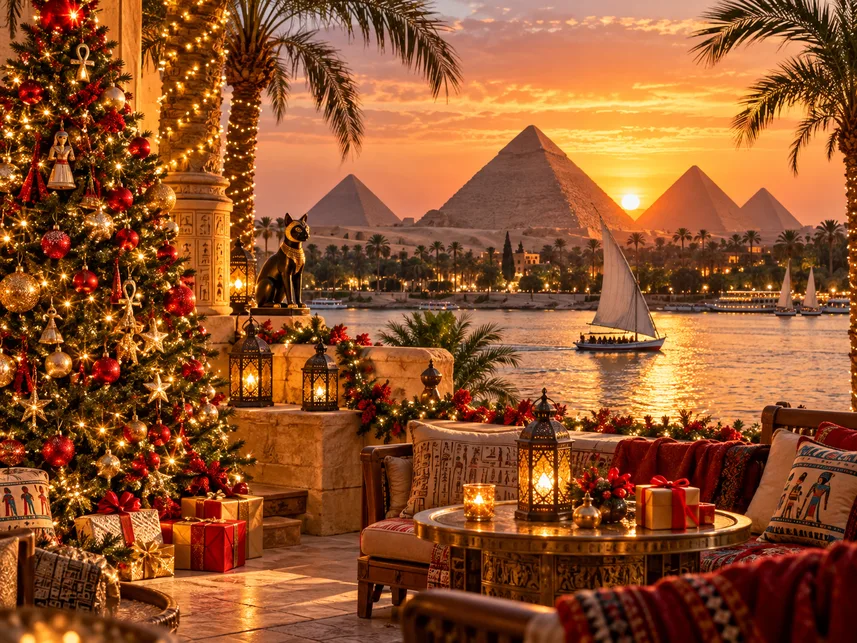
1. The Coptic Nativity Fast: 43 Days of Spiritual Preparation
One of the most significant Egyptian Christmas customs takes place before Christmas Day.
The Coptic Orthodox Church observes a 43-day Nativity Fast, traditionally beginning on November 25 and continuing through Christmas Eve.
This period prepares believers for the celebration of Christ’s birth through prayer, fasting, worship, and spiritual reflection.
43 days of prayer, fasting and reflection before the Nativity.
Coptic Orthodox Nativity Fast
What Do Coptic Christians Eat During the Christmas Fast?
For many observant Coptic Christians, fasting means avoiding animal-derived foods, particularly meat, dairy products, and eggs, according to applicable church guidance.
Plant-based Egyptian dishes can therefore become an important part of everyday meals.
Common examples include ful medames (seasoned fava beans), lentil soup, vegetable stews, rice, and bread. Some preparations of traditional dishes contain animal products, so ingredients matter.
The purpose of the fast extends beyond dietary restrictions. Within Coptic Orthodox religious practice, fasting is connected with self-discipline, repentance, prayer, and preparation for the Nativity.
Not every Coptic Christian follows the same level of fasting. Individual circumstances, health considerations, and pastoral guidance can influence observance.
2. Egyptian Christmas Eve Traditions: Church Services and Coptic Hymns
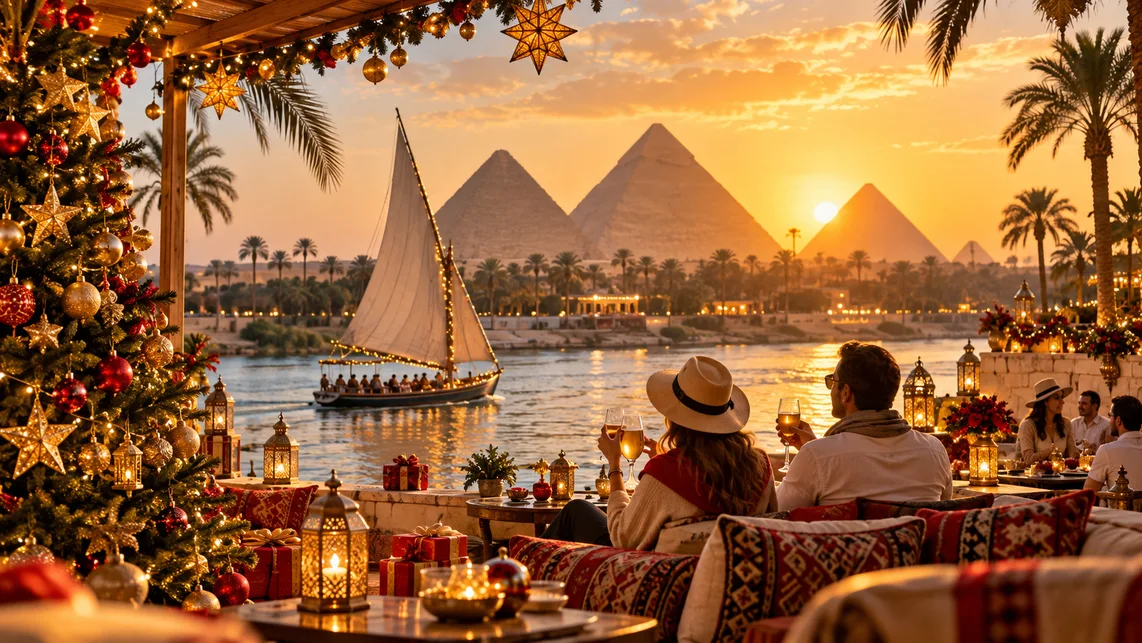
For many Coptic Orthodox families, Christmas Eve on January 6 is the spiritual highlight of the celebration.
Worshippers gather in churches for the Nativity liturgy, a service featuring prayers, scripture readings, chanting, and traditional church rituals.
The Coptic Orthodox liturgical tradition is particularly known for its distinctive hymns, rich symbolism, incense, and carefully preserved forms of worship.
What Happens During the Coptic Christmas Eve Liturgy?
Services typically include communal prayers, biblical readings, hymns, and the celebration of the Eucharist.
The exact starting time and duration differ between churches. Some services begin during the evening and continue toward midnight or later, rather than following a single nationwide schedule.
For worshippers, the occasion marks the culmination of the Nativity Fast and the beginning of Christmas celebrations.
Can Tourists Attend Christmas Services in Egypt?
Visitors may be welcomed at some churches, but admission arrangements, security procedures, and available space can vary, particularly during major religious occasions.
Travelers interested in attending should contact the church in advance and follow local instructions.
Respectful behavior is essential. Dress modestly, avoid loud conversations, turn off camera flashes, and do not photograph worshippers or religious ceremonies without permission.
Christmas services are acts of worship, not tourist performances.
Visitor etiquette
3. Traditional Egyptian Christmas Food: What Do Families Eat?
Food plays a central role in Egyptian Christmas celebrations, especially for families who have observed the Nativity Fast.
After weeks of abstaining from particular foods, Christmas provides an opportunity to gather around a festive meal.
There is no single national Christmas menu. Family traditions differ, but meat dishes, rice, bread, vegetables, and homemade sweets are common festive choices.
Fatta: A Traditional Egyptian Christmas Dish
One of the best-known foods associated with Egyptian Christmas celebrations is fatta, also spelled fattah.
This substantial dish generally combines rice, pieces of bread, garlic-seasoned sauce, and cooked meat. Recipes vary between households.
Fatta is not exclusive to Christmas. It is also associated with other Egyptian festive occasions, making it a familiar example of how food connects religious celebrations with broader cultural traditions.
Kahk and Egyptian Christmas Sweets
Kahk is a traditional Egyptian biscuit or cookie, often round and sometimes dusted with powdered sugar.
Although especially associated with Eid celebrations, kahk and similar homemade sweets may also appear during Christmas gatherings in some households.
Families may prepare or share cakes, biscuits, and other desserts, depending on personal preferences and regional customs.
Other Foods Served at Christmas
| Food | Description | Festive significance |
|---|---|---|
| Fatta | Rice, bread, sauce, and meat | A substantial celebratory meal |
| Mahshi | Vegetables stuffed with seasoned rice | Popular family-gathering food |
| Roasted or cooked meat | Meat prepared with local seasonings | Often enjoyed after fasting |
| Kahk | Egyptian festive biscuits | Shared during various celebrations |
| Egyptian pastries | Homemade or bakery sweets | Served to family and visitors |
What makes the Egyptian Christmas feast meaningful is not a fixed selection of dishes but the occasion itself: relatives reconnect, hospitality takes center stage, and food becomes an expression of celebration and togetherness.
4. Egyptian Family Christmas Gatherings and Gift Traditions
Egyptian Christmas celebrations extend beyond church services and festive meals.
For many families, Christmas Day is a time to visit relatives, share food, exchange greetings, and spend time together.
Family-centered hospitality is especially important in Egyptian social life, and Christian Christmas gatherings reflect this wider cultural emphasis.

Children may receive gifts, new clothes, or sweets, although practices differ between families.
Modern celebrations sometimes include Christmas trees, Santa Claus figures, and decorative lights. These customs are particularly visible in commercial spaces and among families who enjoy international Christmas imagery.
However, it would be misleading to assume that every Egyptian Christian household celebrates Christmas in exactly the same way.
Religious observance, family traditions, personal preferences, and local surroundings all influence the experience.
5. Christmas Decorations, Santa Claus, and Seasonal Music in Egypt
Christmas decorations are especially noticeable in some hotels, shopping malls, restaurants, and Christian neighborhoods during December and early January.
Visitors may encounter illuminated Christmas trees, colorful ornaments, festive displays, and Santa Claus decorations.
In Egypt, Santa Claus is commonly called Baba Noël, a name influenced by French Christmas terminology.
Alongside popular Christmas songs, Coptic Orthodox celebrations feature religious hymns that belong to the church’s distinct liturgical heritage.
These two forms of Christmas music serve different purposes. Commercial holiday songs help create a seasonal atmosphere, while Coptic hymns form part of religious worship.
Christmas markets and special events may also take place in selected venues, but they are not a uniform nationwide tradition. Event dates, venues, and admission arrangements should be checked for the specific holiday season.
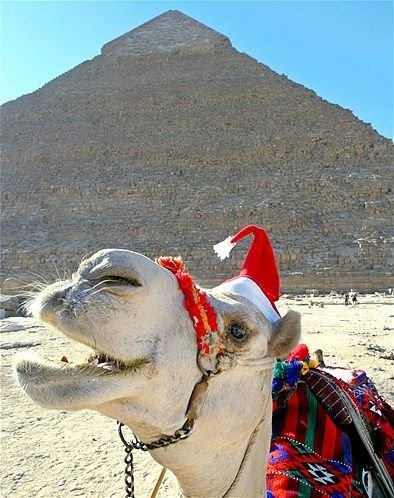
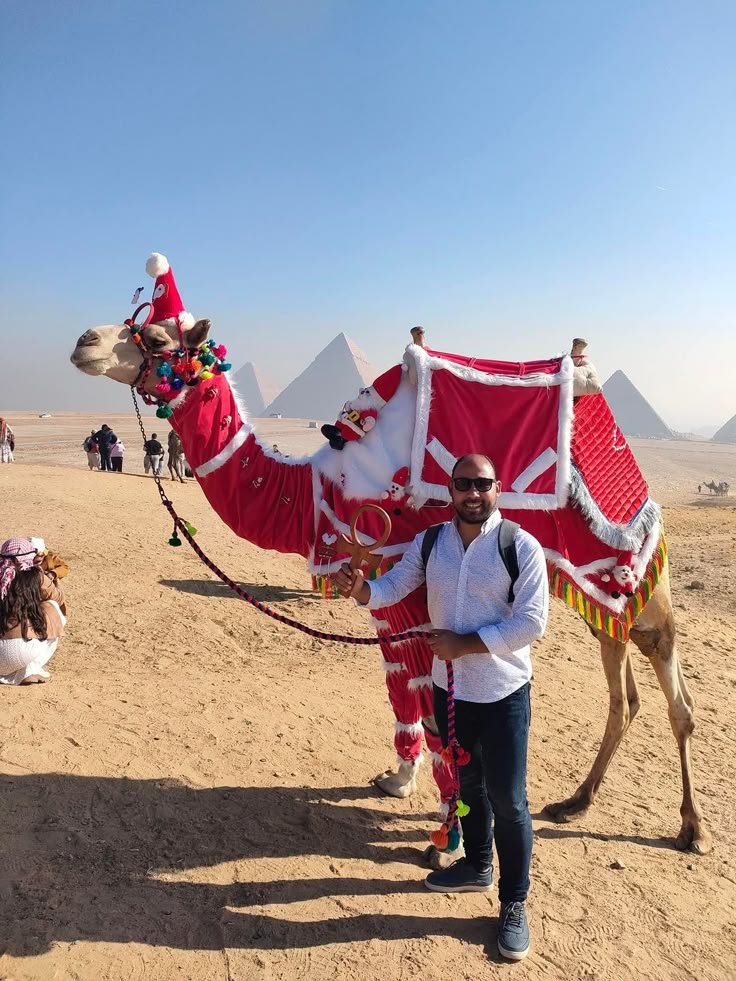
For more visual inspiration, browse our Egypt Christmas pictures and explore the Egypt Christmas facts guide.
6. Where to Experience Christmas Customs in Egypt
The best place to experience Egyptian Christmas depends on whether you are interested in religious heritage, contemporary celebrations, or a wider holiday exploring the country.

Christmas in Old Cairo
Old Cairo is particularly valuable for travelers interested in the history of Egyptian Christianity.
The area contains important Coptic monuments, including the Hanging Church, the Church of Saints Sergius and Bacchus, and the Coptic Museum.
The Coptic Museum preserves collections of manuscripts, textiles, icons, and other artifacts illustrating the development of Christian art in Egypt.
Visiting these sites can provide a deeper understanding of the artistic and religious traditions behind Coptic Christmas.
Christmas in Alexandria
Alexandria occupies an important place in Egyptian Christian history and the heritage of the Coptic Orthodox Church.
Visitors interested in Christian traditions can explore its religious architecture and learn about the city’s historical role as an early center of Christianity.
Church services and religious gatherings form part of local Christmas observance, while hotels and commercial venues may offer additional seasonal activities.
Christmas in Luxor and Aswan
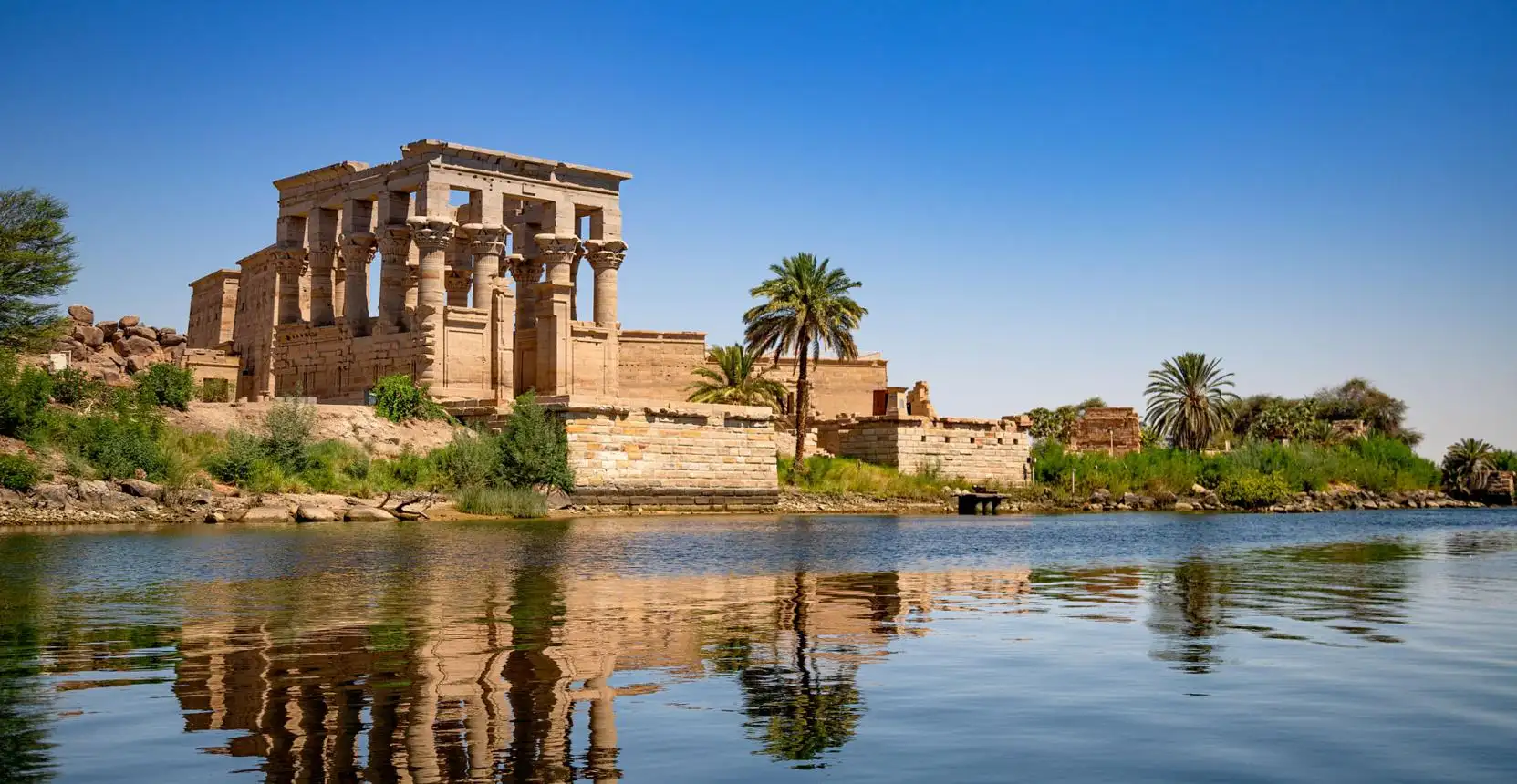
Luxor and Aswan offer a different Christmas experience, combining historic sightseeing with the Nile Valley’s landscapes and cultural heritage.
Travelers visiting during December or January can explore temples, archaeological sites, and riverside communities while enjoying a holiday that need not revolve entirely around seasonal entertainment.
A Nile cruise can also be part of a longer Egyptian Christmas journey, although specific Christmas celebrations aboard a vessel depend on its program.
7. Combining Egyptian Christmas Traditions With a Nile Cruise
One way to enjoy a Christmas holiday in Egypt is to combine cultural sightseeing with time on the Nile.
A journey beginning with Coptic heritage sites in Cairo can introduce travelers to Egypt’s living Christian traditions before continuing south to explore Luxor and Aswan.



At Turquoise Dahabiya, we offer Nile journeys for travelers interested in Egypt’s historical sites, riverside scenery, and traditional Dahabiya cruising.
Our published itineraries include journeys between Esna and Aswan and longer Egypt travel experiences.
For travelers visiting over Christmas, a Dahabiya journey can complement a cultural holiday without replacing the opportunity to experience Christmas traditions in local communities.
You can explore our Nile Christmas cruise guide to learn more about seasonal travel possibilities.
Christmas departures, availability, and any festive onboard arrangements should always be confirmed for the specific journey.
Extending your trip into the New Year? Read about a New Year Nile cruise or compare cruises at Christmas time.
8. Egyptian Christmas vs. Western Christmas: What’s Different?
Although the central Christian meaning of Christmas is shared, the customs surrounding the holiday can differ.
| Tradition | Coptic Orthodox Christmas in Egypt | Common Western Christmas practices |
|---|---|---|
| Main celebration date | January 7 | December 25 |
| Preparation | Nativity Fast and religious observance | Advent and varied family traditions |
| Christmas Eve | Nativity liturgy and prayers | Church services, gatherings, and other customs |
| Festive food | Fatta, meat, rice, and family dishes | Regional dishes such as roast dinners and desserts |
| Music | Coptic hymns and religious chants | Carols, hymns, and popular holiday music |
| Decorations | Religious symbols alongside modern Christmas displays | Christmas trees, lights, wreaths, and ornaments |
| Family traditions | Shared meals, visits, greetings, and sometimes gifts | Shared meals, visits, and often gift exchanges |
These are broad comparisons, not universal rules. Christian communities in both Egypt and Western countries have diverse customs, and religious participation varies considerably.
The clearest distinction is the calendar used by the Coptic Orthodox Church and the prominent role of the Nativity Fast in its religious practice.
9. Practical Tips for Tourists Visiting Egypt at Christmas
Visiting Egypt during the festive period can be rewarding, particularly if you plan around both December 25 and January 7.
For a smoother holiday, consider the following:
- Choose the dates carefully. December 25 and January 7 offer different opportunities to experience Christmas.
- Check church arrangements. Major Christmas services may have restricted access or additional security requirements.
- Respect religious customs. Churches are active places of worship, and appropriate clothing and behavior are expected.
- Confirm holiday schedules. Government offices and some businesses may close on January 7.
- Ask about seasonal events. Hotel dinners, Christmas markets, and special entertainment depend on individual venues.
- Confirm cruise arrangements. Do not assume that every Nile cruise includes a Christmas dinner or festive program.
Not sure what to pack? See our guide on what to wear in Egypt before you travel.
A useful Egyptian Arabic Christmas greeting is Kol sana wenta tayeb (كل سنة وأنت طيب), meaning approximately “Wishing you well every year.” For a woman, the form wenti tayeba is commonly used.
You may also hear Eid Milad Magid (عيد ميلاد مجيد), meaning “Merry Christmas” or “Glorious Nativity Feast.”
What Travelers Say About Turquoise Dahabiya
Read verified guest reviews from TripAdvisor to see what a Dahabiya journey on the Nile is really like.


Frequently Asked Questions About Egypt Christmas Customs
The Coptic Orthodox Church celebrates Christmas on January 7, following its traditional calendar. Some other Christian communities celebrate on December 25.
The date reflects the relationship between the Coptic and Julian calendars and the Gregorian calendar used for most civil purposes. The traditional Coptic feast falls on 29
Yes. January 7 is a national public holiday. It was also officially listed as Coptic Christmas Day for 2026.
Many families enjoy a celebratory meal after the Nativity Fast. Fatta, cooked meats, rice, stuffed vegetables, and sweets are among the dishes that may be served.
No. Christmas is a religious celebration for Egypt’s Christian communities. Some other Egyptians participate in seasonal gatherings or enjoy decorations and festive events, but Christmas customs are not followed uniformly across the population.
The Nativity Fast is a period of spiritual preparation observed in the Coptic Orthodox tradition before Christmas. It traditionally includes abstaining from certain animal-derived foods, prayer, and other religious practices.
Attendance may be possible in some churches, but access arrangements vary. Contact the church ahead of time and follow its guidance on visiting during religious services.
Christmas trees, lights, and Santa Claus decorations can be seen in hotels, shopping malls, and some homes, particularly during December. They coexist with Egypt’s older Christian religious traditions.
December and early January are popular months for sightseeing and Nile travel. The cooler season can make outdoor sightseeing more comfortable than during Egypt’s hottest summer months. However, cruise availability and festive arrangements must be confirmed with the operator.
Old Cairo is a useful starting point because of its historic churches and the Coptic Museum. Church visits, museum collections, and discussions with knowledgeable local guides can all help visitors understand the religious and cultural background.
Conclusion: Understanding the Spirit of Christmas in Egypt
Egypt Christmas customs reveal a celebration deeply rooted in religious devotion, historical continuity, and family relationships.
The 43-day Nativity Fast, the Christmas Eve liturgy, the January 7 feast, traditional Egyptian food, and family gatherings together create a Christmas experience with its own distinctive identity.
For international travelers, understanding these traditions adds another cultural dimension to an Egyptian holiday. The country is not only a destination of ancient temples and archaeological monuments; it is also home to living religious communities whose customs have evolved over many centuries.
If you are planning to combine Egyptian Christmas celebrations with a journey along the Nile, explore the experiences available through Turquoise Dahabiya.
Plan Your Christmas Journey on the Nile
Interested in planning your Christmas holiday in Egypt? Visit Turquoise Dahabiya and complete the enquiry form with your preferred dates and travel interests. Our team can provide further information about available Nile journeys and help you explore options for your holiday.