

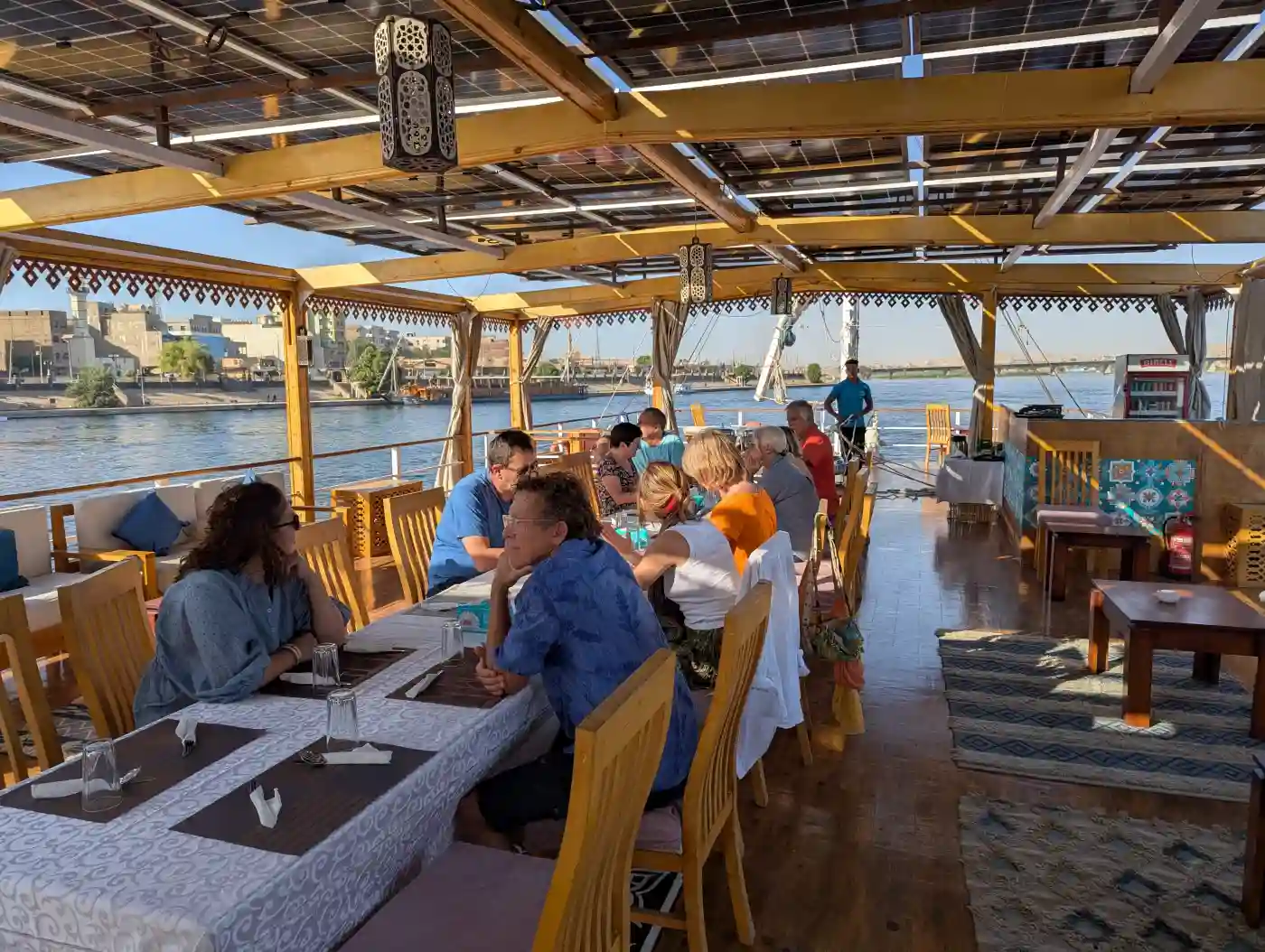
Wondering what to do in Aswan, Egypt? This relaxed city on the Nile, in the far south of the country, packs ancient temples, Nubian villages, granite islands and some of the most beautiful river scenery in Egypt into a compact area that is easy to explore.
From the island temple of Philae and a sunset felucca ride to a day trip to Abu Simbel, the best things to do in Aswan suit history lovers, photographers and anyone who wants a slower, more personal side of Egypt. Below you will find 15 Aswan attractions, practical travel tips and ideas for turning your visit into a private Nile journey.
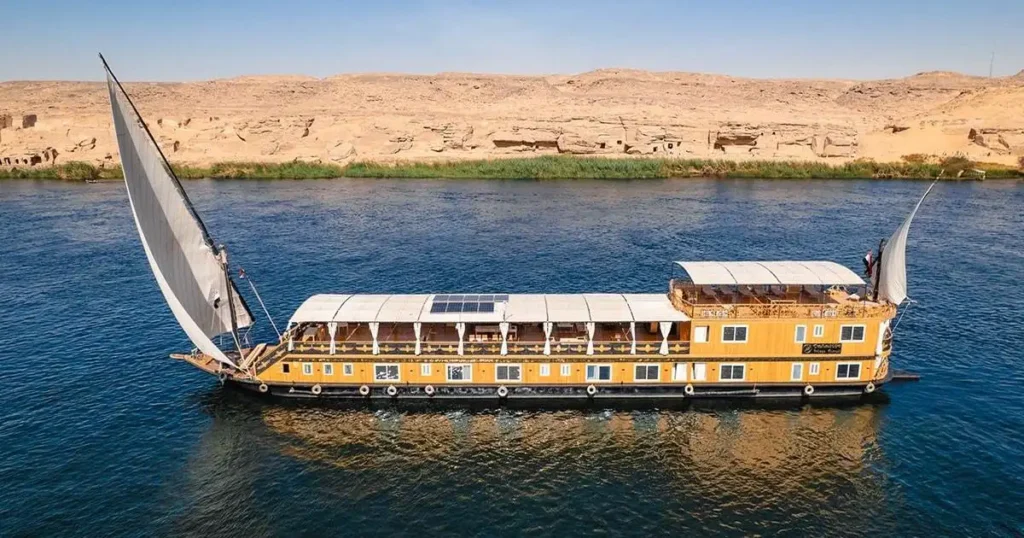
Aswan: Where Egypt’s Nile Is at Its Most Beautiful
Temples, islands, Nubian culture and sunset sails, all within a few kilometres.
Aswan at a Glance
| Topic | What to know |
|---|---|
| Location | Southern Egypt, on the east bank of the Nile near the First Cataract |
| Best time to visit | October to April, with the most comfortable weather from November to February |
| Ideal length of stay | 2 to 3 days, or 4 days if you add Abu Simbel and a felucca sunset |
| Getting around | Taxis, local ferries, feluccas and organised tours |
| Top highlights | Philae Temple, Elephantine Island, Nubian villages, Abu Simbel |
1. Visit Philae Temple on Agilkia Island
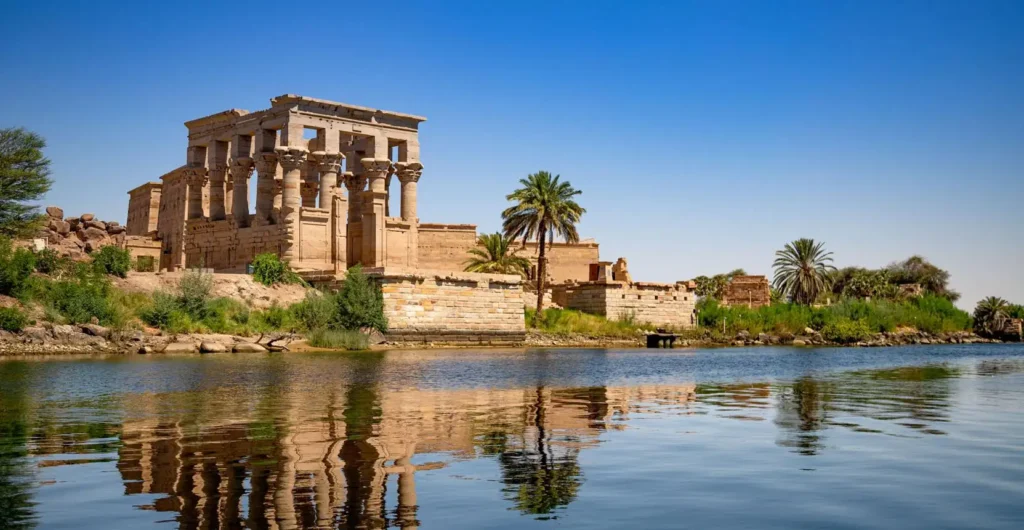
Philae is one of the most atmospheric Aswan attractions. The temple complex is dedicated to Isis, one of ancient Egypt’s most important goddesses, and most of what you see today dates to the Ptolemaic and Roman periods.
Its monuments were moved to Agilkia Island during an international rescue campaign, when the rising waters behind the Aswan High Dam threatened to submerge the original island. Look out for the Kiosk of Trajan, the great pylons and the finely carved reliefs.
Visiting tip: Philae is reached by a short motorboat ride, so allow extra time. Early morning is quieter and the light is softer for photos.
Travelers who start a Nile journey here often combine Philae with our 4-day dahabiya Nile cruise from Aswan to Esna.
2. Explore Elephantine Island
Elephantine Island sits in the middle of the Nile opposite the city and was once the ancient town of Abu, a trading post on Egypt’s southern frontier. Today you can wander among ruins, visit the small Aswan Museum and see the Nilometer once used to measure the river’s annual flood.
The island is also home to the Nubian villages of Siou and Koti, with colourful houses and quiet lanes that make for a gentle walk away from the traffic.
3. Discover Nubian Culture and Villages
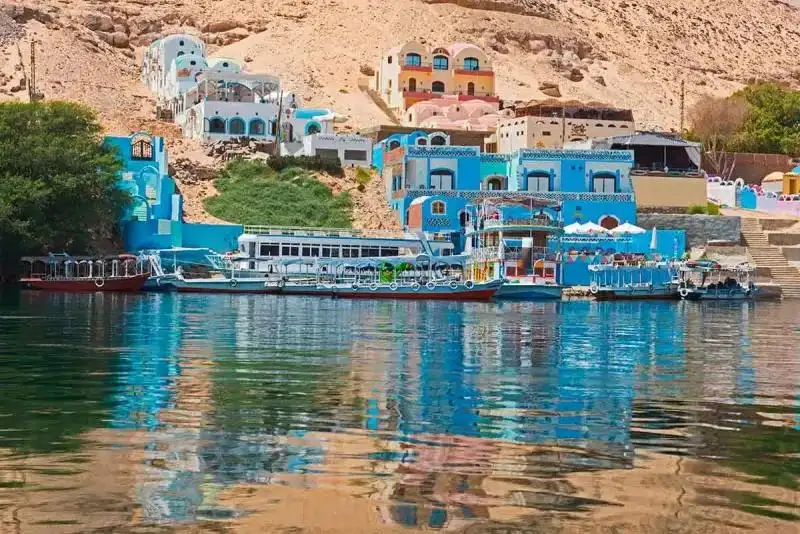
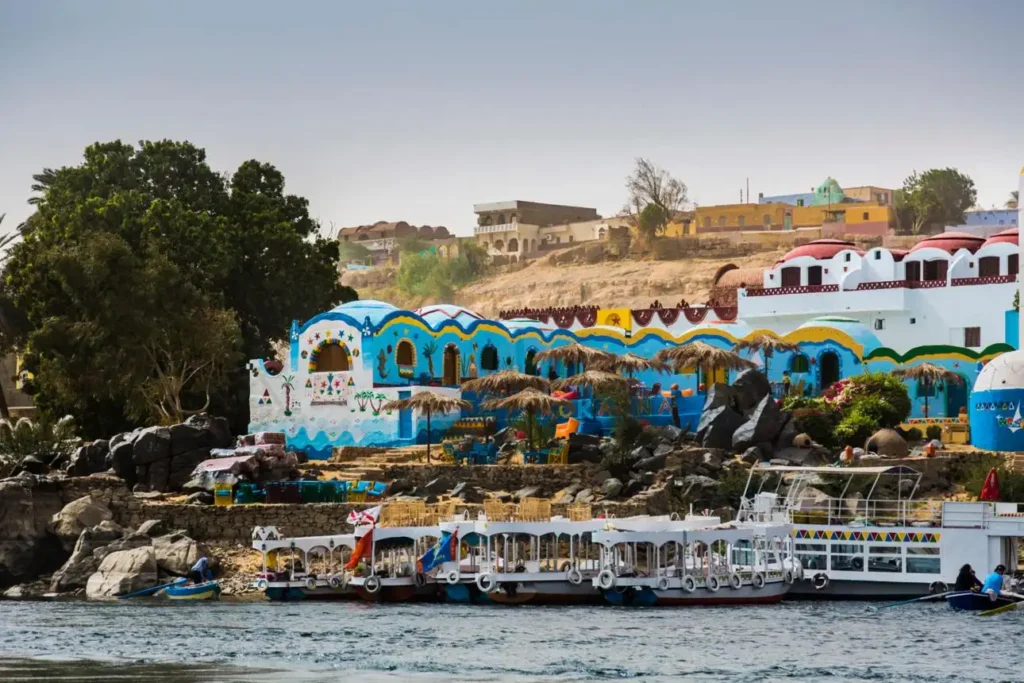
The Nubian people have lived along this stretch of the Nile for thousands of years, and their culture is a highlight of any Aswan trip. Many families were resettled when Lake Nasser formed, and today villages such as Gharb Soheil and Siou welcome visitors with tea, music, henna and traditional food.
Respectful travel tip: Ask before photographing people, and consider visiting with a local guide who can introduce you to a family home.
4. Take a Traditional Felucca Ride on the Nile
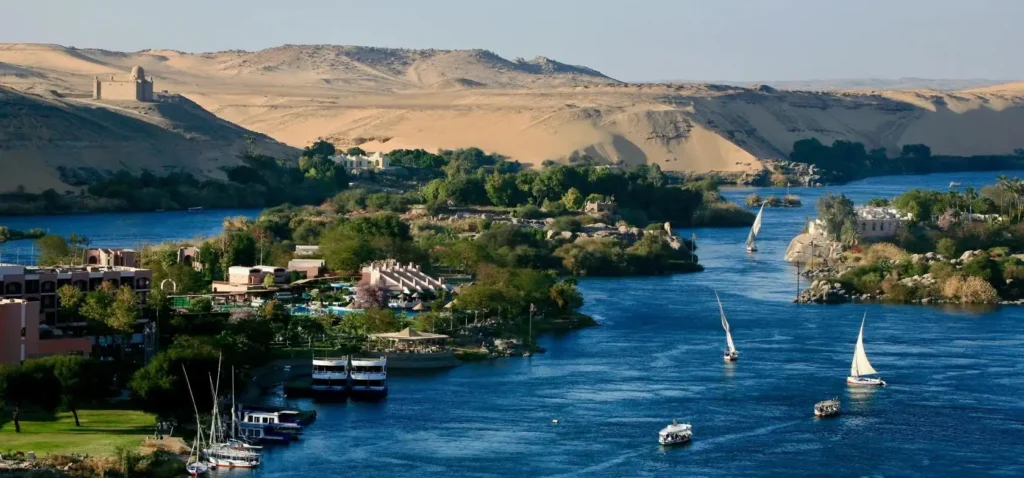
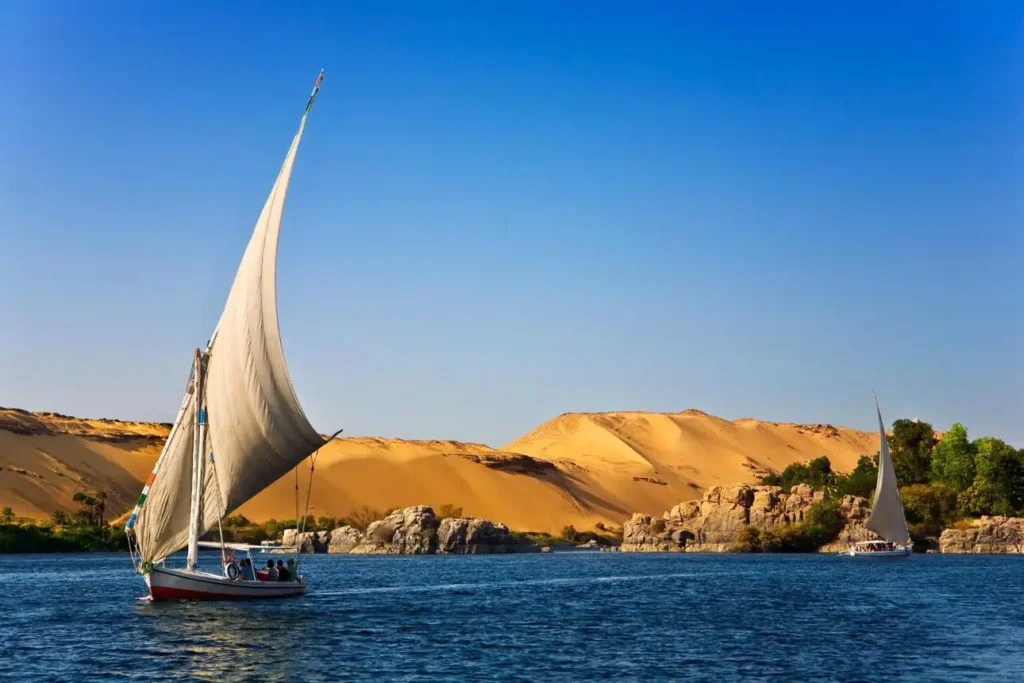
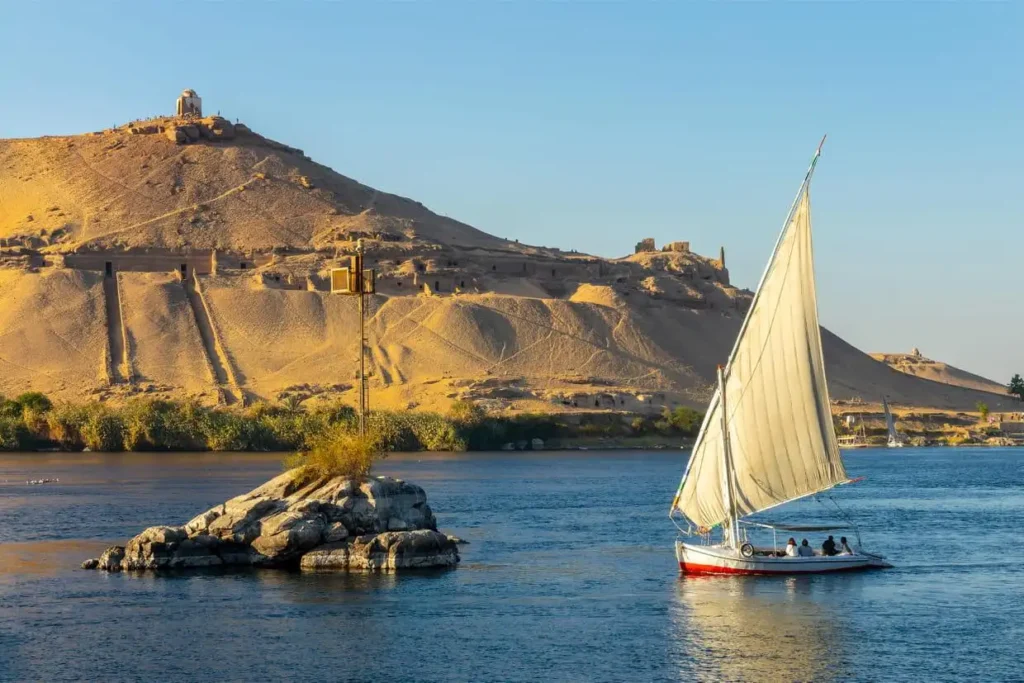
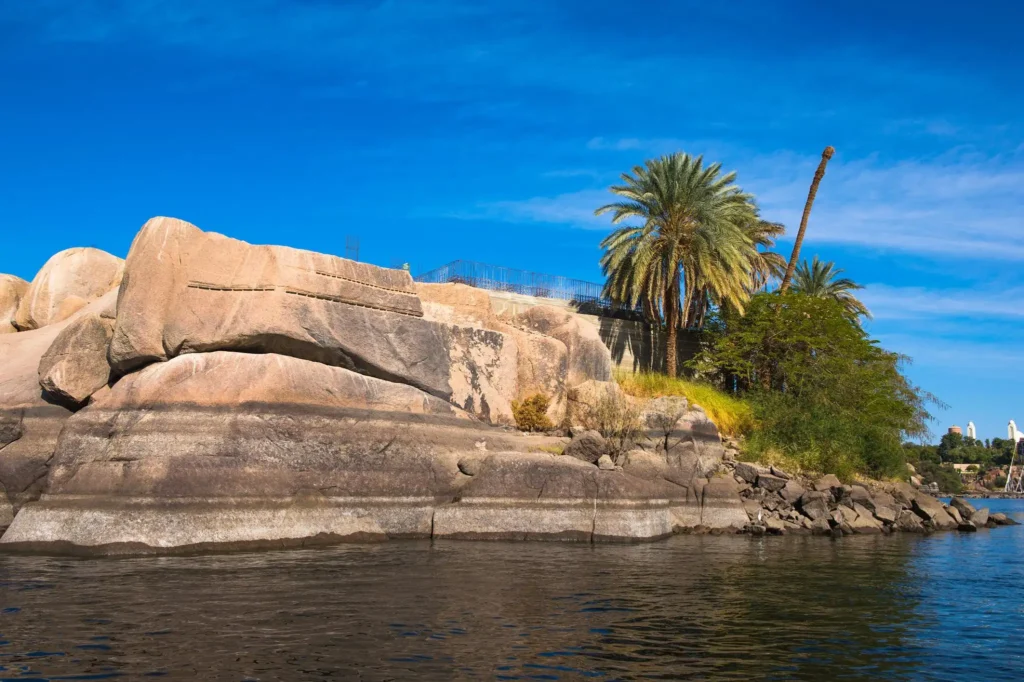
A felucca ride is the classic Aswan experience. These white-sailed wooden boats have carried people along the Nile for centuries, and drifting past granite boulders and palm islands at sunset is hard to beat. Most trips last one to two hours and can include a stop at Kitchener’s Island.
Agree the price, duration and route before boarding, and bring a hat and water. For more ideas on the river itself, read our Aswan River guide.
5. Visit the Nubian Museum
The Nubian Museum is the best place to understand the region before you explore it. Its galleries trace Nubian history from prehistoric times to the modern era, with statues, pottery, jewellery and displays about the monuments saved from Lake Nasser.
Spend an hour here on your first day and the temples, villages and markets that follow will make far more sense.
Aswan travel note
6. See the Unfinished Obelisk

The Northern Quarry is where ancient Egyptians cut the red granite used for obelisks and statues. The Unfinished Obelisk, attributed to Queen Hatshepsut, would have been one of the largest ever made, but a crack appeared during carving and it was abandoned where it lies.
It is a short stop, around 30 to 45 minutes, and a rare chance to see how monuments were actually shaped.
7. Discover Abu Simbel on a Day Trip from Aswan
Carved into the rock by Ramesses II, the temples of Abu Simbel are among the most impressive monuments in Egypt. They stand about 280 km south of Aswan, close to the Sudanese border, and were relocated in the 1960s to save them from Lake Nasser.
- Travel time: roughly three hours each way by road, usually in an early morning convoy.
- Best for: travelers who enjoy monumental ancient architecture.
- Good to know: the sun aligns with the inner sanctuary twice a year, on 22 February and 22 October.
8. Visit the Aswan High Dam
The Aswan High Dam, completed in 1970, controls the flow of the Nile and created Lake Nasser, one of the largest man-made lakes in the world. It stretches about 3.8 km across the river and gives you a good view over the lake and the engineering that changed modern Egypt.
Most visitors combine the dam with Philae, because the boat to the temple leaves from the nearby landing.
9. Explore Aswan Botanical Garden on Kitchener’s Island
Kitchener’s Island is a small green island that was turned into a botanical garden in the late 19th century. Its paths are lined with palms, flowering trees and plants from Africa and Asia, making it one of the coolest, most peaceful corners of the city.
You can reach it by a short boat ride, often as part of a felucca trip.

10. Browse Aswan Souk
Aswan’s souk runs along the Corniche and is one of the most pleasant markets in Egypt. Stalls sell spices, hibiscus tea, Nubian baskets, scarves, perfumes and handmade souvenirs, and the pace is usually calmer than in Cairo or Luxor.
Shopping tip: Bargain with a smile, buy spices by weight, and try karkadeh, the deep red hibiscus drink, to cool down.
11. Discover the Tombs of the Nobles
On the west bank, the rock-cut Tombs of the Nobles at Qubbet el-Hawa belong to governors and officials who guarded Egypt’s southern frontier. The tombs of Sarenput and Harkhuf contain inscriptions and painted scenes, and the hilltop also offers sweeping views over Aswan and the river.
12. Explore the Monastery of St. Simeon
Set in the desert on the west bank, the Monastery of St. Simeon is a large fortified Coptic monastery dating back to the 7th century. Walls, courtyards, a church and monks’ cells remain, and the silence of the surrounding dunes makes it one of the most evocative places in Aswan.
13. Experience Aswan at Night
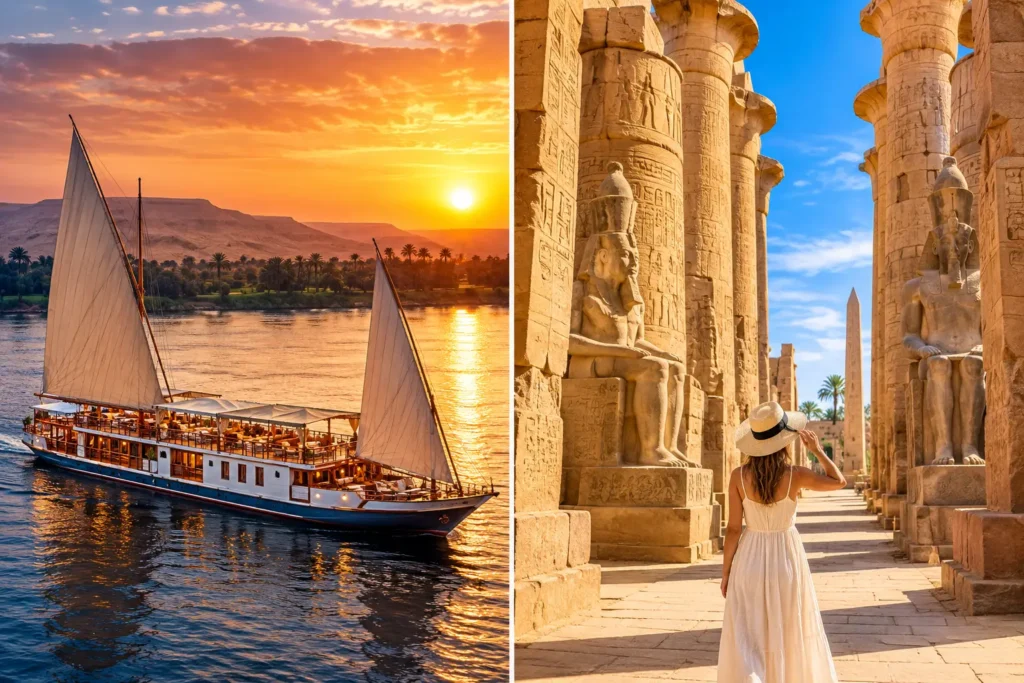
Once the heat fades, Aswan comes alive. Stroll the Corniche, have dinner at a riverside restaurant, watch the sun drop behind the dunes or enjoy a Nubian music evening. The sound and light show at Philae is another popular evening option.
14. Try Traditional Nubian Food
Food is part of the cultural experience. Look for grilled Nile fish, slow-cooked stews, freshly baked bread, fresh vegetables and spiced tea, often served in a Nubian home or on a terrace over the river. Many local restaurants and village houses are happy to prepare a meal for visitors.
15. Continue Your Journey on a Dahabiya Nile Cruise
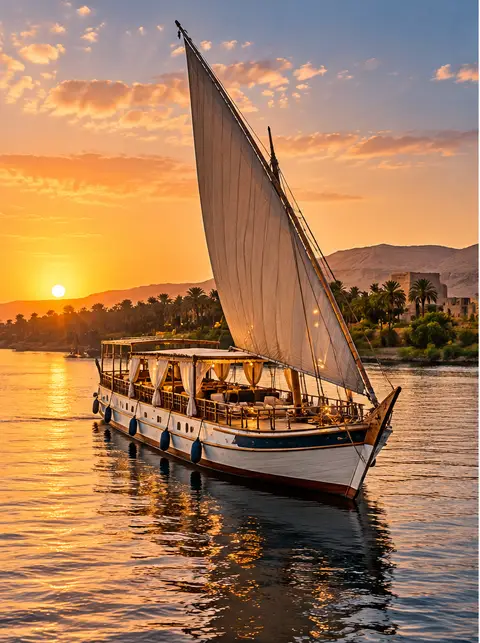
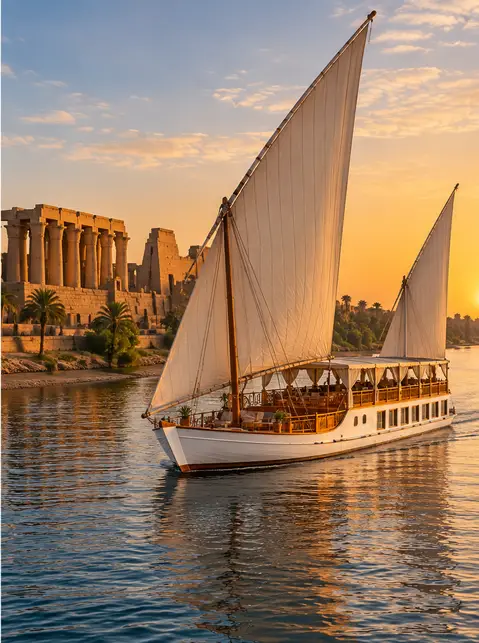
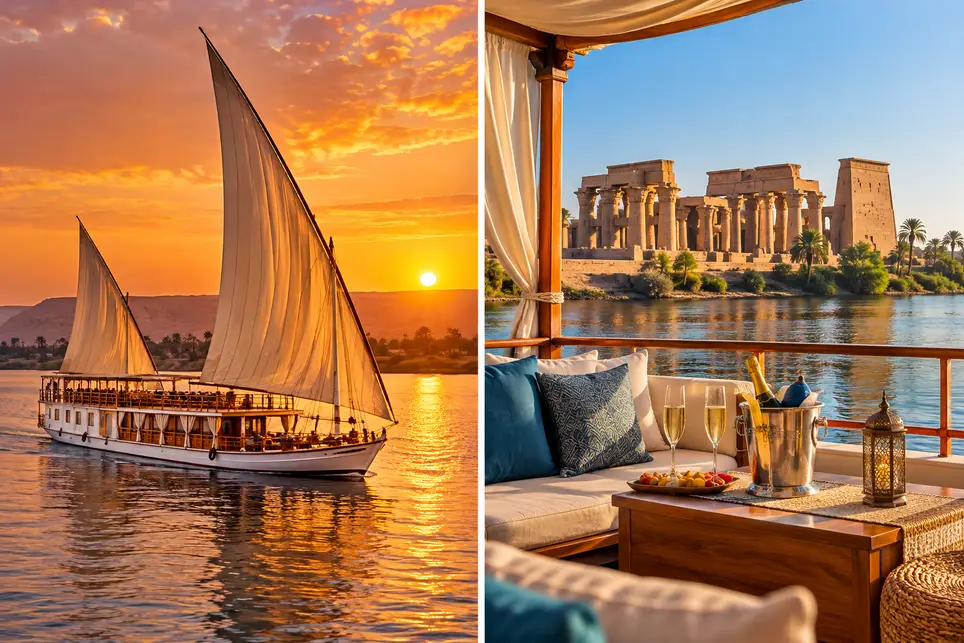
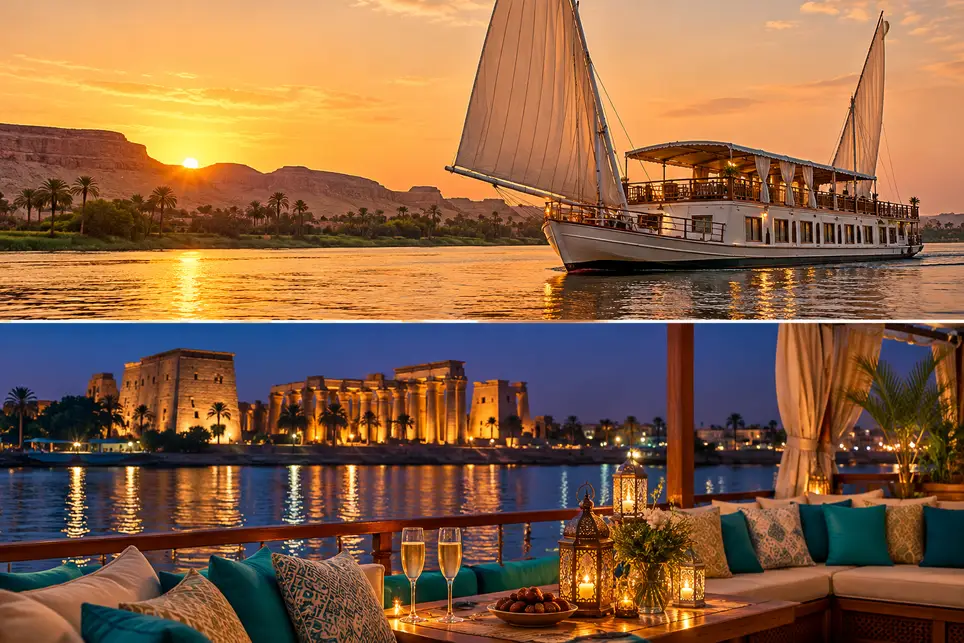
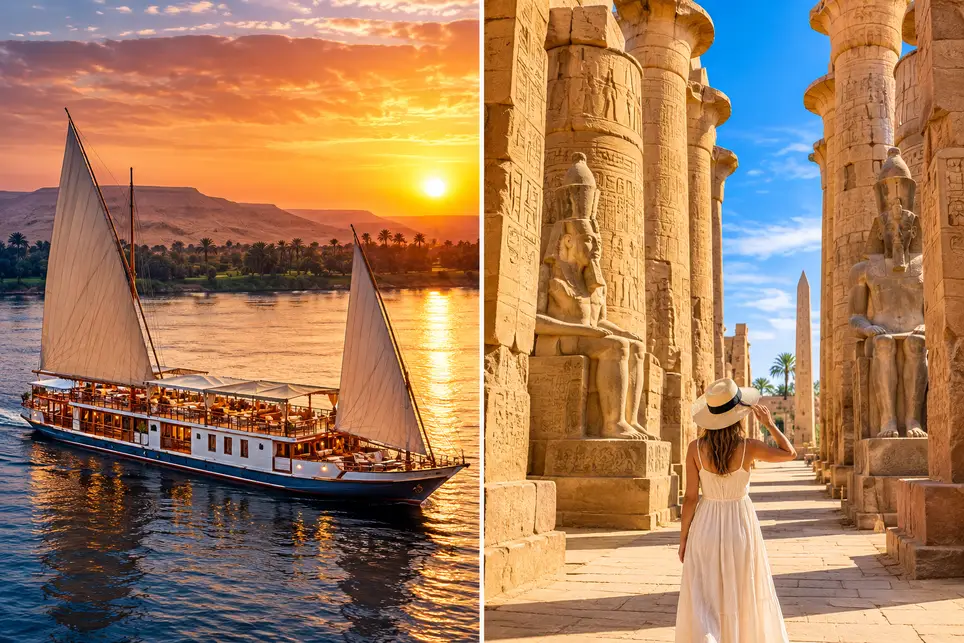
Aswan is one of the most natural places to begin or end a Nile voyage. A dahabiya, a traditional sailing houseboat, takes you between Aswan and Esna, Edfu and Luxor at a gentle pace, with private mooring spots, small-group service and time on shore that larger cruise ships cannot offer.
Our Private Dahabiya Itineraries
- Sacred Waters, 4-day Aswan to Esna: a short, relaxed introduction to the river.
- Serenity Retreat, 5-day Esna to Aswan: more time for temples and village stops.
- Elegant Scape, 7-day private cruise: a fuller week on the Nile.
- Royal Nile Escape, 11 days and Golden Horizons, 14 days with Cairo for longer journeys.
How Many Days Do You Need in Aswan?
Two full days is enough to see the essentials, but three days lets you enjoy Aswan without rushing. Here is a simple way to plan your time:
- 2 days: Philae Temple, Elephantine Island, a sunset felucca ride and the souk.
- 3 days: add a Nubian village visit, the Unfinished Obelisk, the High Dam and the Nubian Museum.
- 4 days: add Abu Simbel, the Tombs of the Nobles and St. Simeon Monastery, or continue on a dahabiya cruise.
Best Time to Visit Aswan
October to November
Warm, sunny days and fewer crowds. A great time for felucca rides and long sightseeing days.
December to February
The most comfortable weather, with mild days and cool evenings. This is peak season, so book early.
March to April
Getting hotter, but still pleasant for early starts. Good value before summer.
Summer (May to September) is very hot, often above 40°C, so plan sightseeing for early morning and late afternoon.
Gallery: Aswan and the Nile
Aswan Travel Essentials
How to get to Aswan
Aswan has its own international airport with frequent domestic flights from Cairo, and trains and road transfers run from Cairo and Luxor. The road journey from Luxor takes roughly three to four hours, with stops at Esna, Edfu and Kom Ombo if you want to break it up.
What to wear and bring
Light, breathable clothing that covers shoulders and knees is best at temples and villages. Pack sun protection, comfortable walking shoes, a hat, cash for tips and small purchases, and a refillable water bottle.
Do you need a guide?
Independent travel is easy, but a licensed Egyptologist makes Philae, Abu Simbel and the Tombs of the Nobles far more meaningful. Private tours also save time on logistics like tickets, boats and transfers.
What Travelers Say About Turquoise Dahabiya
Read recent guest experiences from Tripadvisor before you decide how to explore Aswan and the Nile.


Frequently Asked Questions About Aswan
Visiting Philae Temple and taking a sunset felucca ride on the Nile are the two most popular experiences, followed by Elephantine Island, the Nubian villages and a day trip to Abu Simbel.
Two to three days is ideal for most travelers. Add a fourth day if you want to visit Abu Simbel or continue on a Nile cruise.
Yes. Aswan combines ancient temples, Nubian culture and a beautiful stretch of the Nile in a calmer, friendlier setting than larger Egyptian cities.
October to April offers the most comfortable weather, with December to February being the coolest and busiest period.
Yes. Abu Simbel is about 280 km from Aswan and is usually visited on an early morning day trip that takes roughly three hours each way.
Philae is on Agilkia Island and is reached by a short motorboat ride from the landing near the Aswan High Dam.
Aswan is generally considered one of the calmer, more relaxed destinations in Egypt. As with any trip, check current official travel advice and use licensed guides and operators.
Yes. Aswan is a popular starting point for Nile cruises, including private dahabiya journeys to Esna, Edfu and Luxor.
Final Thoughts: Making the Most of Your Visit to Aswan
Aswan rewards travelers who slow down. Between the temples, the villages and the river itself, the city offers a quieter, more human side of Egypt. Whether you spend two days on land or sail onward by dahabiya, you can build a trip that fits your pace. For longer journeys, see our guide to the Cairo to Aswan cruise or explore the Aswan to Luxor tour.
Plan Your Aswan Trip With Us
Tell us your travel dates, group size and the experiences you would like to include. Our team will reply with suggested itineraries, availability and pricing.