

What makes a journey through Egypt feel truly authentic? Beyond the temples and famous landmarks, it is often the simple cultural details that leave the deepest impression. Egyptian traditional clothes reflect centuries of daily life, identity, and connection to the Nile. From flowing galabeyas in village streets to colorful handmade fabrics, these timeless styles reveal a side of Egypt many travelers never expect to discover.
What Do Egyptians Wear Daily?
Walking through the vibrant streets of Cairo or the peaceful fields of Luxor, you will immediately notice that traditional attire is not a relic of the past—it is a living, breathing part of modern culture.
The choice between modern fashion and egyptian traditional clothes today depends heavily on three factors: geography, occupation, and daily comfort. While corporate environments demand Western suits, the moments after work—and the lifestyles of rural and historic areas—belong almost entirely to traditional wear.
The Modern Galabeya: The Core of Egyptian Traditional Clothes
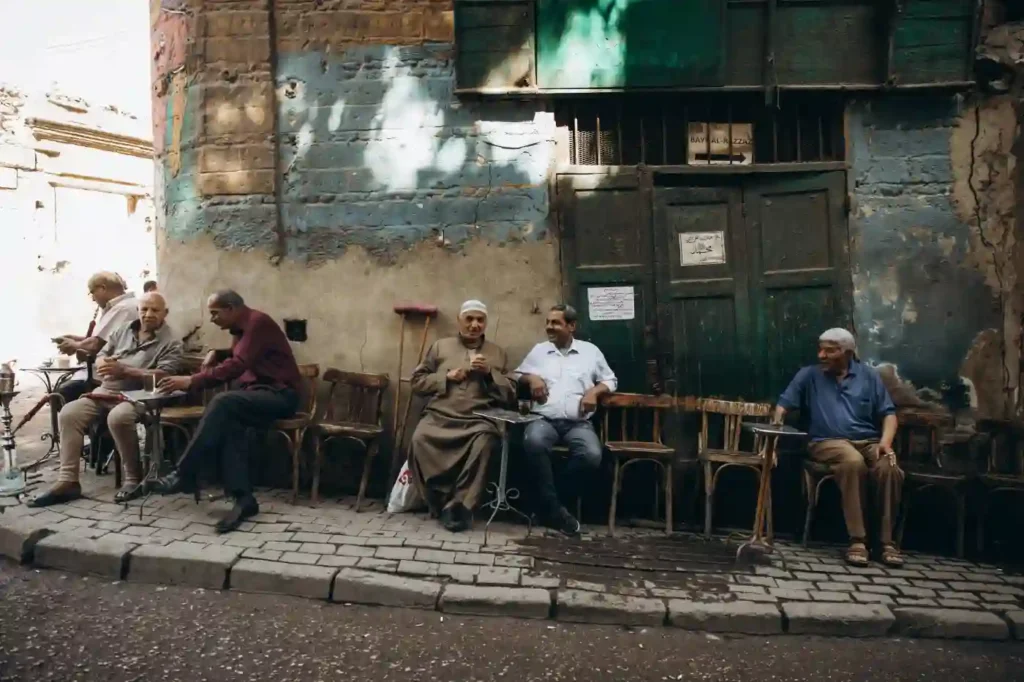
The Galabeya (an ankle-length, loose-fitting robe) is the undisputed crown jewel of everyday fashion in Egypt. Its survival into the 21st century is purely functional: its loose design provides maximum air circulation, making it the perfect defense against the intense Egyptian heat.
Men’s Galabeya in Everyday Street Life
For men, the Galabeya is a symbol of comfort, heritage, and community.
In Rural Areas (Al-Arayf/Sa’id): It is the standard daily uniform for farming, socializing, and business.
In Urban Centers: Men frequently change into a light cotton Galabeya after a long work day to relax at local coffee shops (ahwa) or attend neighborhood prayers.
Women’s Galabeya and Modest Home Wear
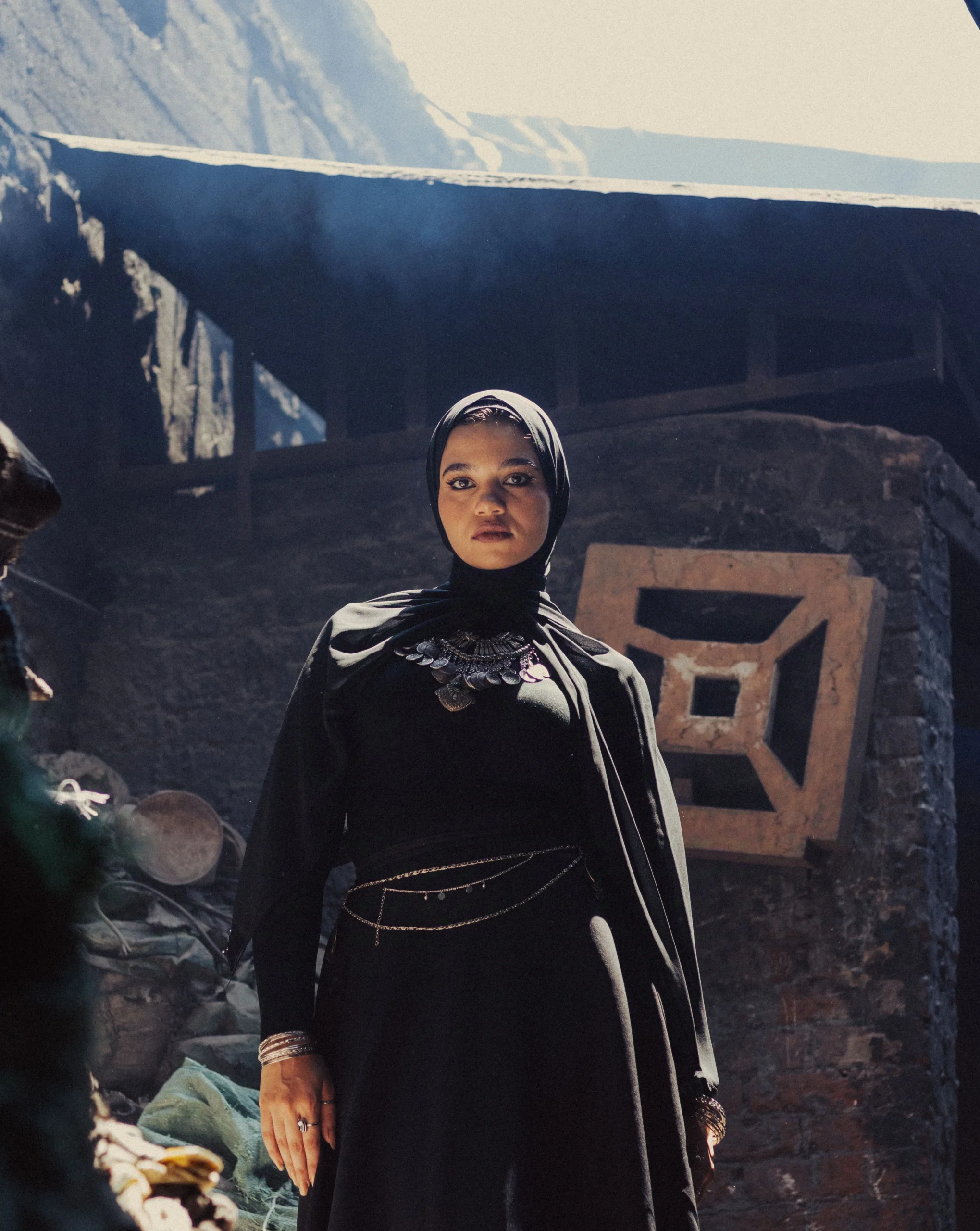
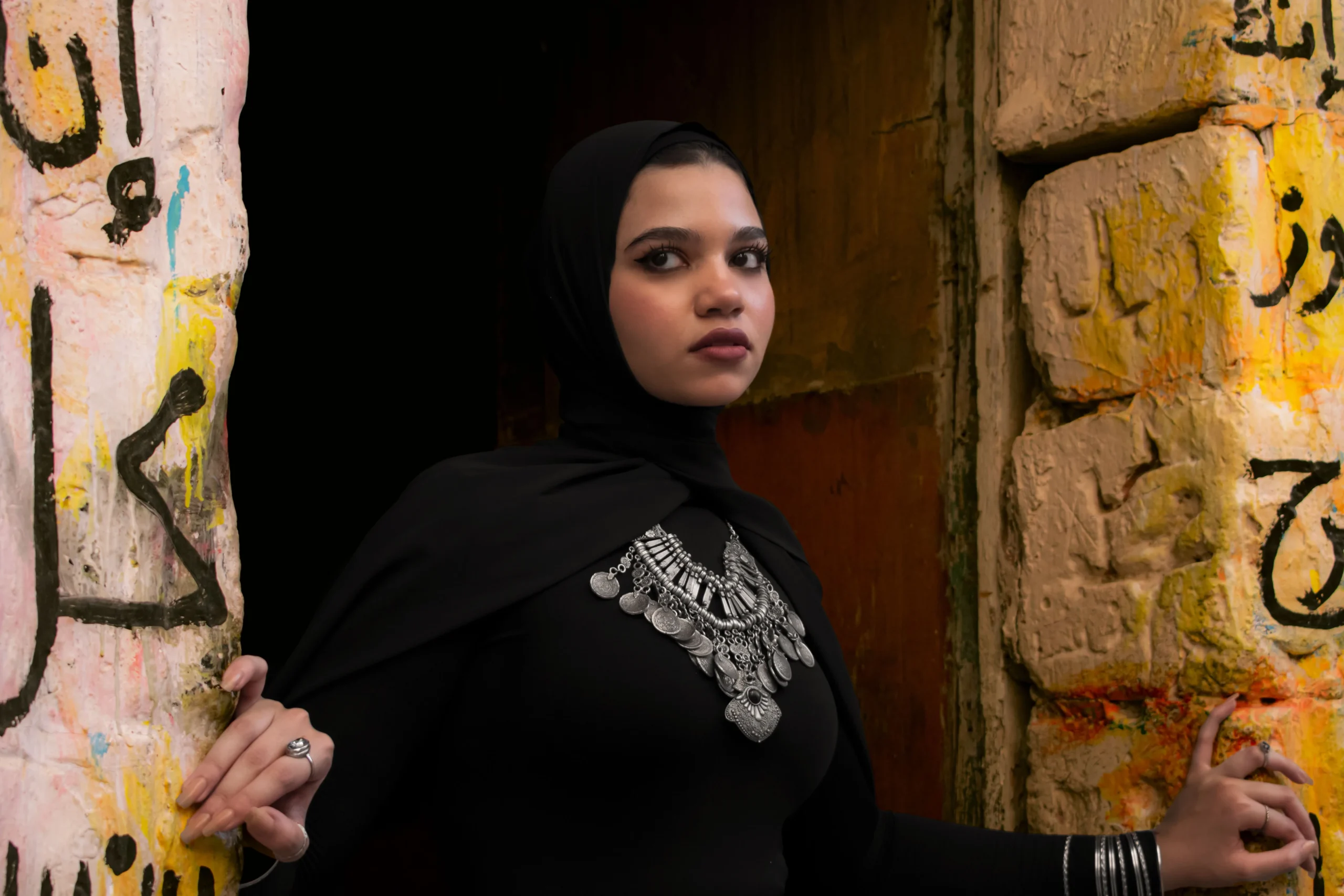
For Egyptian women, egyptian traditional clothes have evolved beautifully into modern lifestyles. While the iconic black Gallebaya Baladi (traditional urban dress) is less common on city streets today, it has been reinvented:
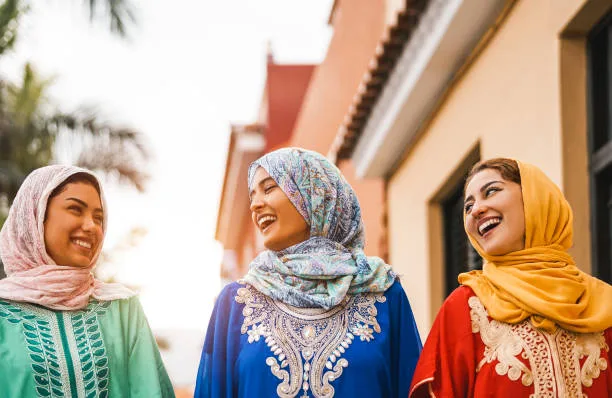
Home and Hospitality: Colorful, intricately embroidered indoor Galabeyas are the standard choice for hosting family and celebrating holidays.
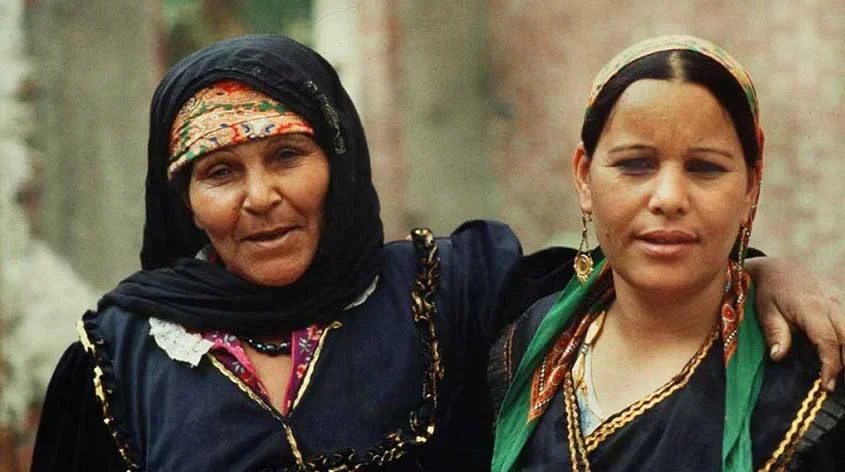
The Peasant Dress (Fellaha): In agricultural regions along the Nile, women still wear vibrant, layered traditional dresses designed for ease of movement during daily tasks.
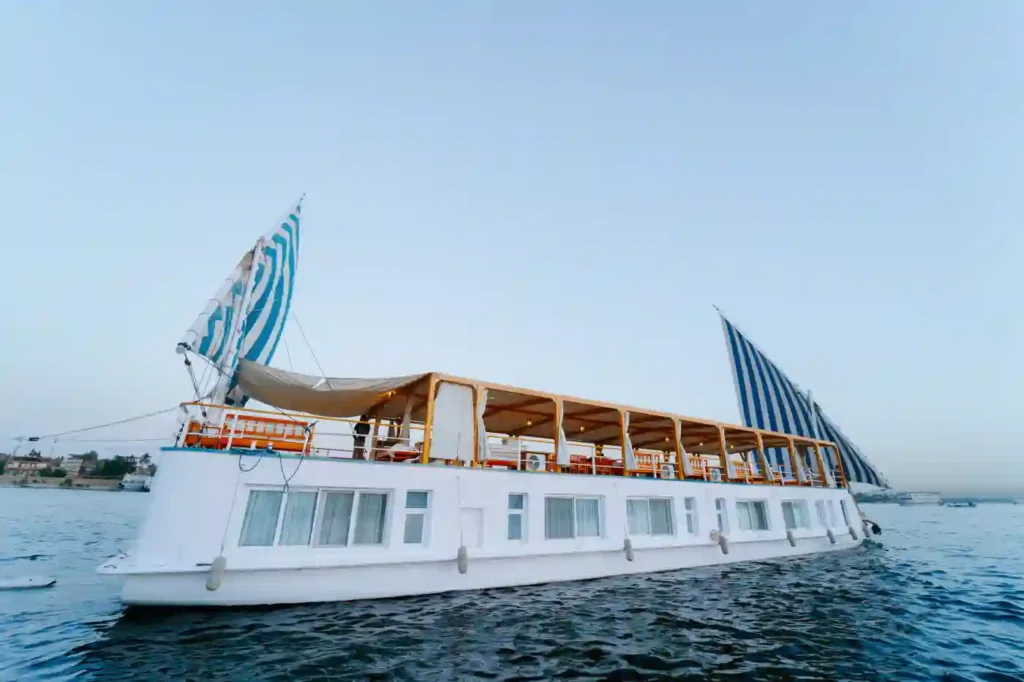
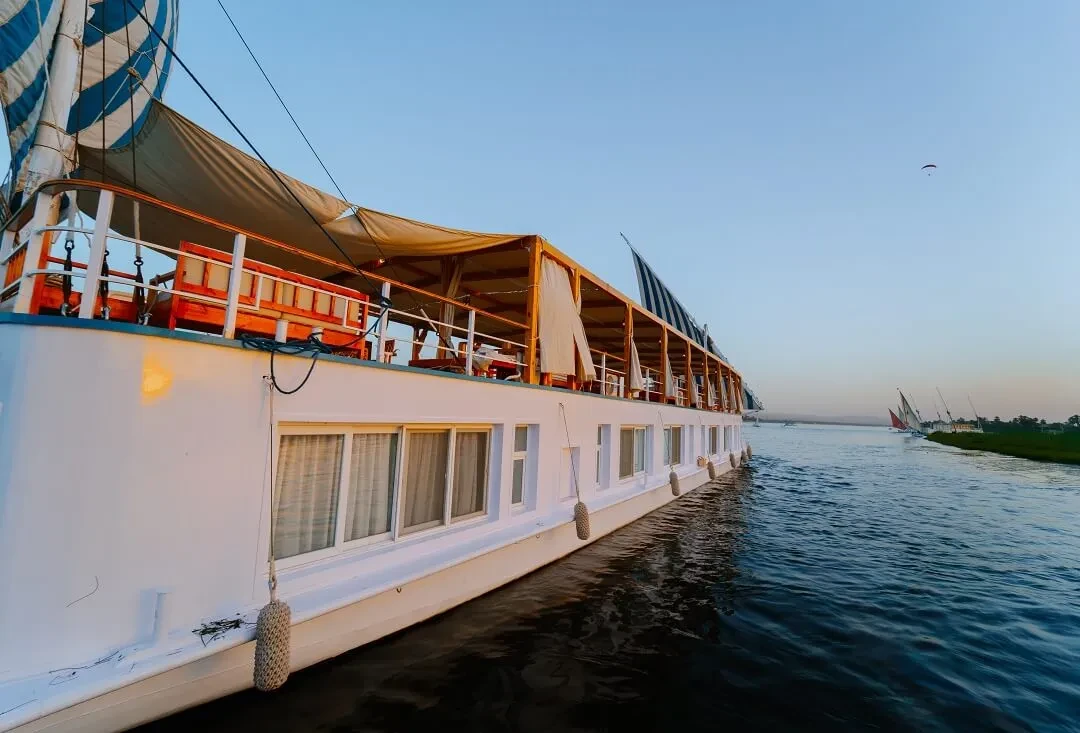
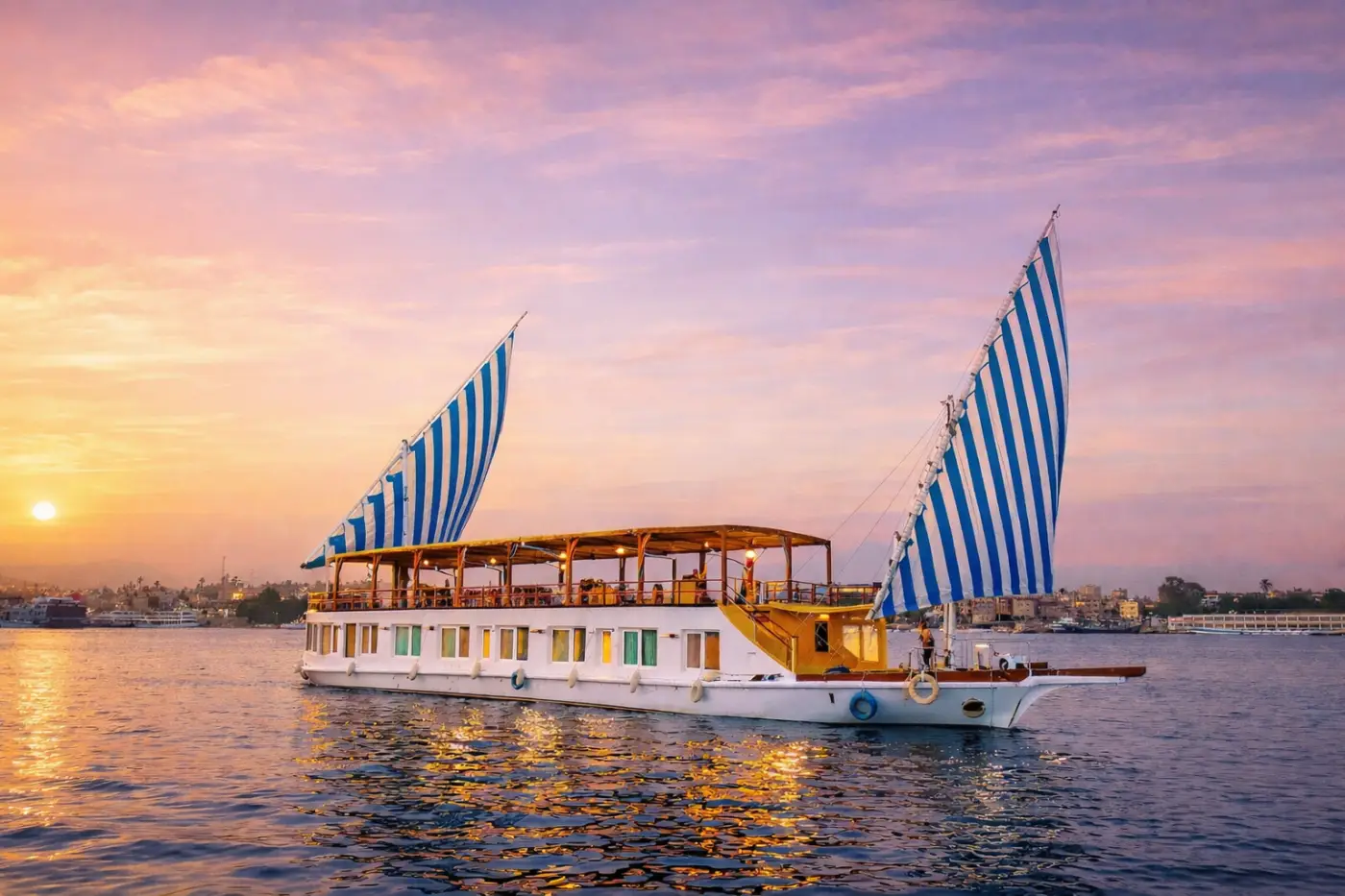
Sailing past the local villages of Upper Egypt allows you to see the beautiful colors of traditional Nile attire in their natural setting. Book your luxury boutique cruise today with Turquoise Dhahabeya.
Quick Reference: Traditional Garments vs. Modern Context
| Traditional Garment | Modern Everyday Context |
| Men’s Galabeya | Worn daily by older generations, rural residents, and urban men when relaxing or praying. |
| Women’s Indoor Galabeya | Highly popular across all social classes as elegant, comfortable loungewear and hosting attire. |
| The Tobe (Thobe) | Used mostly in rural or Bedouin regions (like Sinai and Siwa) as a protective outer layer over clothing. |
| Head Coverings (Emmar / Hijab) | Men in Upper Egypt wear the Emmar (turban) for heat protection; women wear modern styled Hijabs matching traditional modest values. |
Regional Variations in Modern Egyptian Dress
Traditional clothing in Egypt is not one-size-fits-all. It changes drastically based on the geography and culture of the region, which you can uniquely observe while sailing along the Nile:
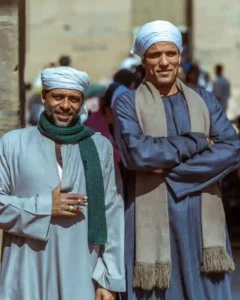
The Sa’idi (Upper Egypt) Style: Heavy, high-quality wool Galabeyas in dark colors (brown, grey, navy) paired with a white turban (Emmar) to shield against the scorching southern sun.
The Bedouin Style (Sinai & Siwa Oasis): Women wear breathtaking, hand-embroidered dresses with cross-stitch patterns that tell the story of their tribe, marital status, and heritage.
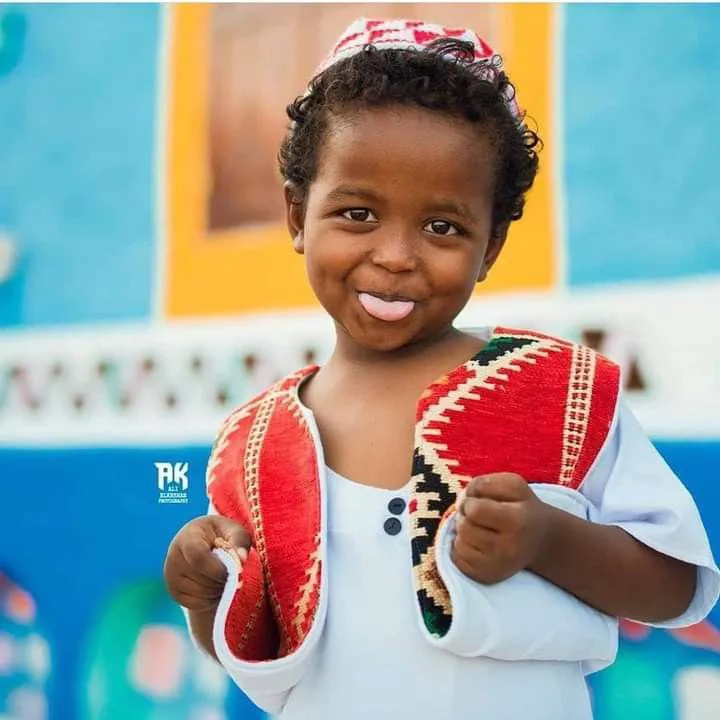
The Nubian Style: Elegant, flowing white Galabeyas for men, often accompanied by a beautifully embroidered vest or scarf, reflecting the vibrant culture of Aswan. You can explore this rich heritage more deeply through a visit to the Nubian community in this guide to the Nubian Village in Aswan experience.
Traditional Clothing in Upper Egypt
Clothing traditions become particularly distinctive as you travel south along the Nile. In Upper Egypt, traditional Saidi dress remains an important part of the region’s cultural identity, with recognizable styles worn by both men and women. If your Nile journey takes you toward Luxor and Aswan, discover more about the region in Upper Egypt Traditional Clothing: A Traveler’s Guide to Saidi Dress.
Nubian Traditional Clothing
Nubian communities have their own distinctive clothing traditions, known for colorful fabrics, embroidery, and decorative details. These garments are closely connected to Nubian identity and the communities along the Nile in southern Egypt. To explore the colors, embroidery, and stories behind these garments, read Nubian Traditional Clothing: Colors, Embroidery & Stories.
What Should Tourists Wear in Egypt?
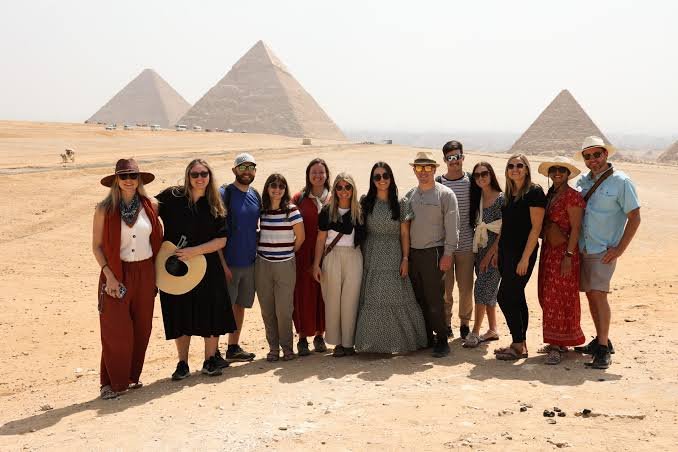
Understanding traditional Egyptian clothing is useful for travelers, but visitors also need to know what is appropriate to wear during their own trip. Clothing choices can depend on the weather, destination, religious sites, and the type of activities on your itinerary. For practical advice on dressing comfortably while respecting local customs, see What Should Tourists Wear in Egypt? A Simple Dress Code Guide.
FAQS
What is a galabeya in Egypt?
A galabeya is a traditional, loose-fitting, ankle-length robe with long sleeves, worn by both Egyptian men and women for daily comfort.
Are traditional Egyptian clothes still worn today?
Yes, traditional clothing like galabeyas and abayas is still widely worn today, especially in rural areas and Upper Egypt.
What do people wear in Upper Egypt?
In Upper Egypt, men predominantly wear wide, traditional Saeedi galabeyas with headwraps, while women wear long, modest abayas.
What should tourists wear in Egypt?
Tourists should wear loose, breathable clothing that covers shoulders and knees to stay cool and respect local cultural modesty.
What is traditional Egyptian clothing made from?
It is primarily made from lightweight Egyptian cotton or linen for summer heat, and heavier wool blends for winter.
Why do Egyptians wear loose clothing?
Loose clothing allows airflow to cool the body, protects skin from the intense sun, and aligns with cultural modesty.
Conclusion: The Timeless Appeal of Egyptian Attire
In summary, egyptian traditional clothes are far from obsolete; they have simply adapted to the rhythms of modern life. The Galabeya and its regional variations continue to offer the perfect balance of climate-appropriate comfort, cultural pride, and modest elegance. Whether it’s a man relaxing at a Cairo café or a farmer tending his land in Esna, these garments remain the true fabric of everyday Egyptian identity.