

Planning a Nile journey and wondering which stops are truly worth your time? The best Nile tourist attractions span more than 5,000 years of history — from towering temple complexes to peaceful island sanctuaries and living Nubian communities. This guide covers the top 10 places to visit, with practical advice for building an itinerary that balances exploration with the slower rhythm the Nile rewards.
The Epicenter of Civilization: Why the Nile’s Icons Endure
For millennia, the majestic monuments lining the Nile River have defined the global standard for architectural wonder. From the grand colonnades of Luxor to the romantic island sanctuaries of Aswan, these historic sites represent the ultimate bucket-list destinations. However, the true difference between a standard vacation and a luxury expedition lies in the curation of your journey.
Visiting these legendary structures requires an elite approach that values your time and peace of mind. By integrating a premium Egypt Nile cruise into your itinerary, you ensure that your transitions between these world-class archaeological zones are as seamless and relaxing as the destinations themselves.
If you wish to balance these grand monuments with untouched, crowd-free sanctuaries, you can easily complement your itinerary by choosing a specialized off the beaten path Egypt tour to see the country’s best-kept secrets.
The Crown Jewels: 10 Masterpieces Among Nile Tourist Attractions
1. Karnak Temple
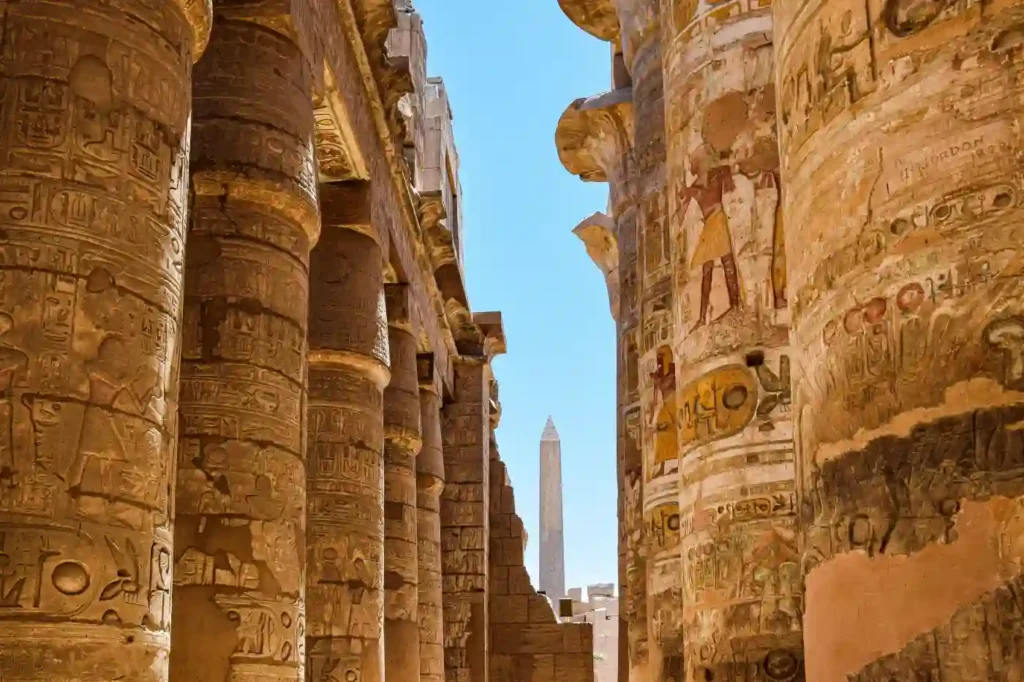
Built over nearly two thousand years, Karnak is an entire city of temples, chapels, and gateways—not a single monument. The Great Hypostyle Hall, with more than 130 enormous sandstone columns, remains one of Egypt’s most photographed spaces.
Best time to visit: Early morning for cooler temperatures and softer light.
Planning to visit? Explore our complete Karnak Temple guide before you go.
2. Luxor Temple
Unlike most sites, Luxor Temple genuinely rewards a visit after dark. Warm evening lighting highlights massive columns and statues, creating a completely different atmosphere from the daytime. Its location in central Luxor makes it easy to combine with a walk along the Nile Corniche.
3. Valley of the Kings
Hidden beneath the limestone hills of Luxor’s West Bank are more than 60 royal tombs from the New Kingdom, including Tutankhamun’s. Wall paintings remain exactly where ancient artists created them — a detail no museum can replicate.
Plan ahead: Entry tickets cover selected tombs; a few famous tombs require separate admission. Checking which tombs are open before visiting saves time.
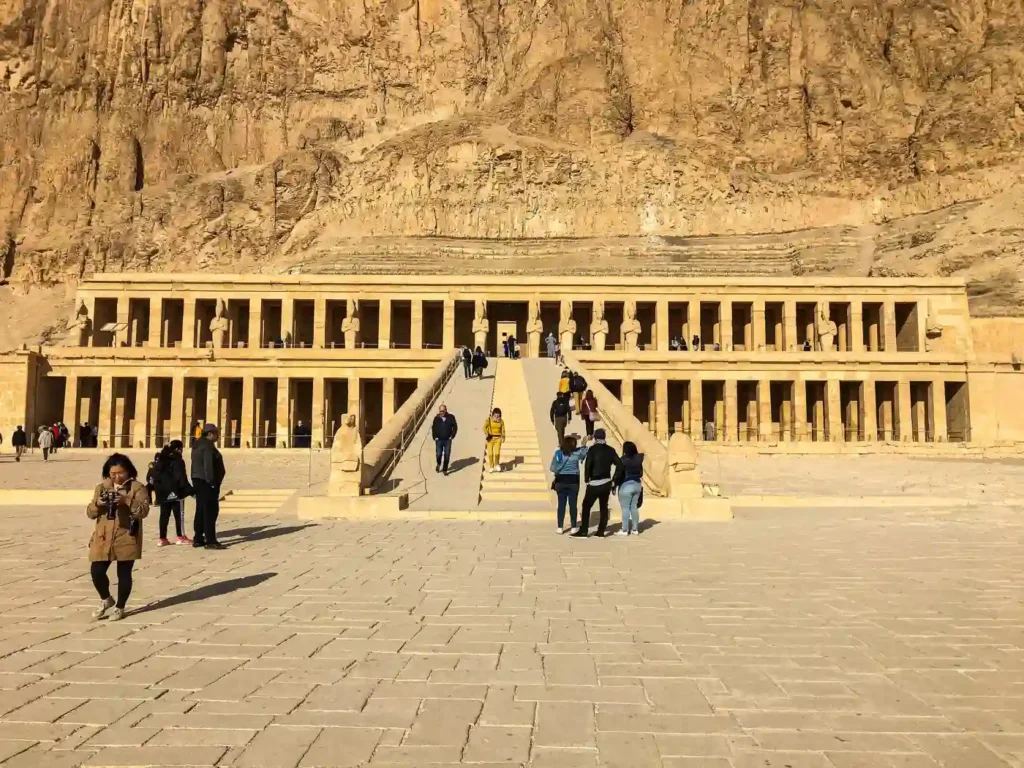
4. Temple of Hatshepsut
Built into the limestone cliffs of Deir el-Bahari, this temple stands apart from every other site along the Nile. Its terraced architecture and natural mountain backdrop make it one of the most photographed landmarks in Upper Egypt. The reliefs depicting Hatshepsut’s trade expedition to Punt are worth studying closely.
5. Edfu Temple
One of Egypt’s best-preserved ancient temples, Edfu still feels remarkably intact. Massive statues of Horus guard the entrance, and carved walls run from floor to ceiling throughout. Less crowded than the main Luxor sites, it’s a strong stop on any Luxor-to-Aswan route.
Want to know what makes Edfu Temple so special? Read our complete Edfu Temple visitor guide.
6. Kom Ombo Temple
Unusually dedicated to two gods, Kom Ombo is perfectly symmetrical and sits directly above the Nile. Its riverside location makes it one of the best sunset stops between Luxor and Aswan, and the nearby Crocodile Museum adds a short but interesting detour. Carved medical instruments on the walls are a detail most visitors don’t expect.
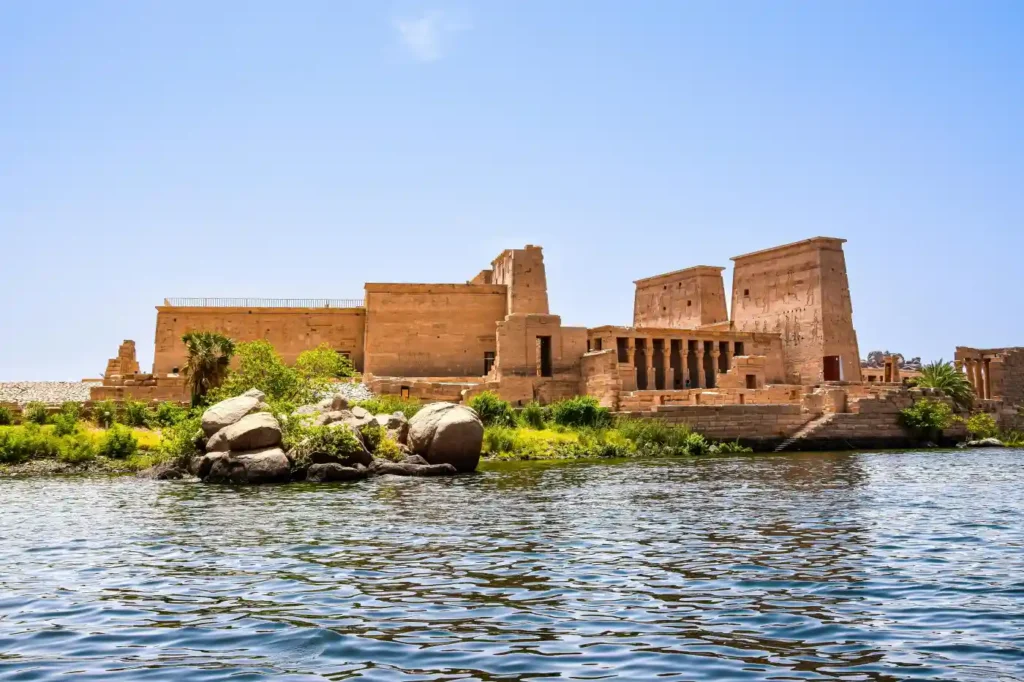
7. Philae Temple
Philae cannot be reached by road—visitors take a short boat crossing to reach this island temple dedicated to the goddess Isis. The combination of water, architecture, and the story of the temple’s relocation before the High Dam construction make it one of the most distinctive sites in Aswan.
Discover why Philae Temple is one of Aswan’s must-see landmarks in our detailed guide.
8. Elephantine Island
Located in the heart of Aswan, Elephantine Island combines ancient ruins with authentic daily life in traditional Nubian communities. It’s quieter than the main archaeological sites and works well as a late-afternoon visit when the temperature drops and the waterfront becomes more active.
9. Nubian Villages
Some of the most meaningful experiences along the Nile have nothing to do with ancient Egypt. Nubian villages around Aswan offer colorful painted homes, genuine hospitality, handmade crafts, and local cuisine. Visiting respectfully and buying directly from local artisans supports the communities that maintain these traditions.
Experience authentic culture—see what to expect in a traditional Nubian Village.
10. The Nile Itself
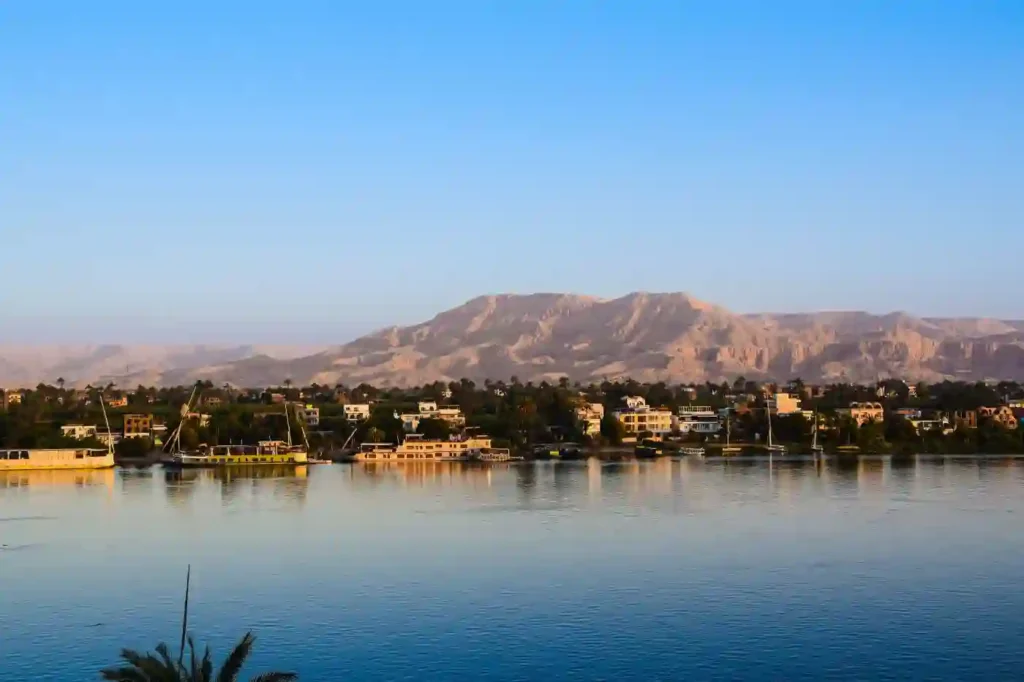
After visiting temples and tombs, many travelers say the river becomes their clearest memory. Palm groves, traditional feluccas, farmers working riverside fields, and shifting light across the water create a continuous backdrop that no individual monument can fully match. The journey between destinations is part of the experience.
Curating Your Ideal Sailing Timeline
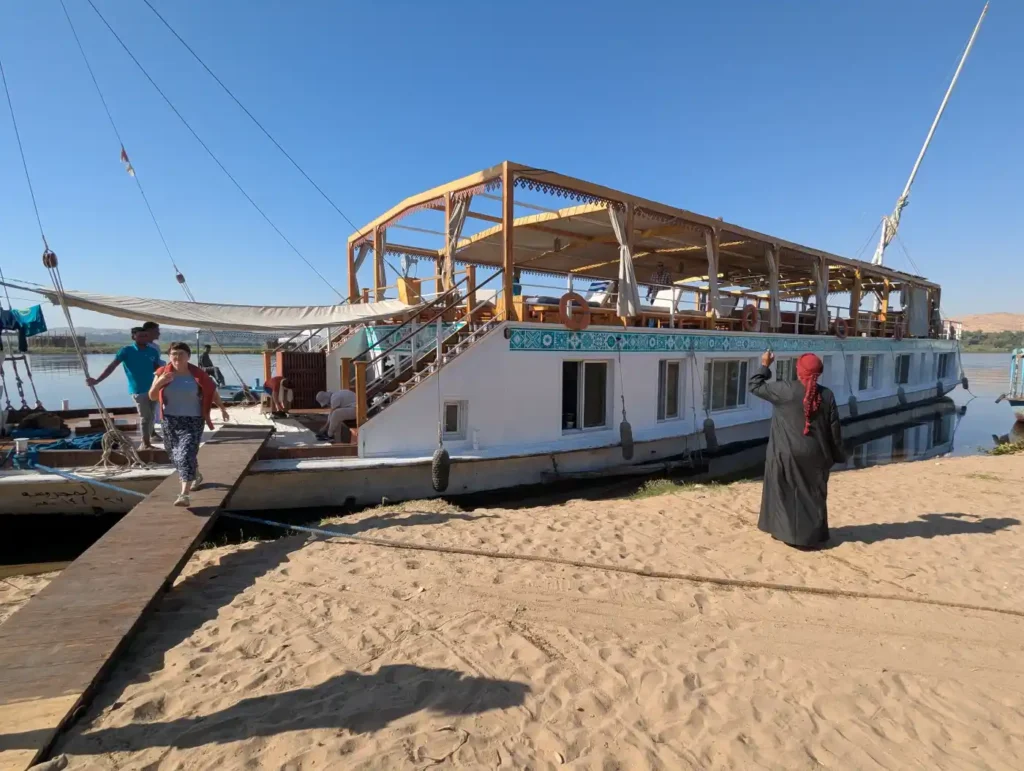
Rather than following a rigid, rushed daily itinerary, we believe your journey should unfold at its own perfect pace. Depending on your personal travel style and how deeply you wish to immerse yourself in the wonders of Upper Egypt, we recommend choosing from these exclusively tailored voyages:
-
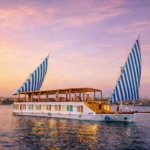
The Express Southern Escape: Discover the essential highlights between Aswan and Esna, including the romantic Philae Temple, in a perfectly compressed boutique window with our 4-Day Dahabiya Nile Cruise.
-
The Classic Riverside Journey: Master the perfect balance of iconic sightseeing at Kom Ombo and leisurely afternoon sailing by opting for our highly requested 5-Day Nile Cruise Dahabiya.
-
The Immersive Weekly Voyage: Give yourself the luxury of unhurried exploration to wander through stunning sites like Dendera without any stress on our comprehensive 7-Days Dahabiya Nile Cruise.
-
The Epic Historical Expedition: Watch the dramatic transition of the entire Egyptian landscape from the ancient monuments directly to the modern heart of the country on our legendary Dahabiya Nile Cruise from Luxor to Cairo.
-
The Ultimate Grand Connoisseur Tour: For the absolute pinnacle of luxury, seamlessly combine the vibrant energy of the capital with an extensive private sailing retreat through our masterfully coordinated 14-Days Cairo and Dahabiya Nile Cruise.
Frequently Asked Questions
What are the most famous Nile tourist attractions?
Karnak Temple, Luxor Temple, the Valley of the Kings, Edfu Temple, Kom Ombo Temple, and Philae Temple form the core route. Nubian villages add authentic cultural depth.
How many days do I need?
Most travelers choose between five and seven days. This allows time for major archaeological sites while keeping enough space for the quieter experiences in between.
What is the best attraction for photography?
Karnak Temple (scale and detail), Luxor Temple at night (warm lighting), Kom Ombo at sunset (Nile backdrop), and Philae Temple (island setting) all produce distinctive images throughout the day.
Can I combine temples with local cultural experiences?
Yes. A well-planned itinerary can move naturally between major archaeological sites, Nubian villages, island walks, and sailing time — giving a more complete picture of Egypt than temples alone.
Conclusion
The monumental wonders of the Nile have captivated kings, poets, and travelers for thousands of years. Standing in the shadow of these ancient stone structures reminds us of the timeless endurance of human artistry. To transform these legendary landmarks into the backdrop of your next exclusive vacation, contact the Turquoise Dhahabya team today and let us design your bespoke voyage.
Ready to Experience the Nile?