


The Valley of the Kings is one of the most visited archaeological sites in Egypt, yet many travelers leave feeling rushed or overwhelmed. With more than sixty tombs carved into the cliffs of Luxor’s West Bank—and access limited to only a few per visit—choosing the best tombs to visit in the Valley of the Kings is less about seeing everything and more about seeing what suits you best.
This guide takes a practical, visitor-focused approach to help you make smart choices based on time, comfort, and personal interests—so your visit feels meaningful rather than exhausting.
Why Choosing the Right Tombs Matters More Than Seeing Many?
Unlike open-air temples, the Valley of the Kings is physically demanding. Tombs involve steep ramps, narrow corridors, and humid interiors. Add heat, crowds, and limited tickets, and it becomes clear that thoughtful planning is essential.
The standard entry ticket allows access to three tombs from the regularly open selection. Some of the most famous tombs require separate tickets and extra waiting time. Because of this system, choosing the right combination can dramatically change your experience—from hurried and crowded to calm and memorable.
Best Tombs for First-Time Visitors
If this is your first visit to the Valley of the Kings, variety is key. A good mix introduces you to the Valley’s artistic beauty, historical importance, and overall atmosphere.
Recommended tombs:
-
Ramesses VI (KV9): Known for its richly painted ceilings and dramatic scale, this tomb delivers immediate visual impact.
-
Tutankhamun (KV62): Small and simple, but emotionally powerful due to its global fame and the presence of the king’s mummy.
-
Ramesses IX (KV6): Compact, well-preserved, and easy to navigate—ideal for balance.
This combination offers a strong introduction without overwhelming you physically or mentally.
Best Tombs for Art and Design Enthusiasts
Travelers who appreciate color, symbolism, and fine detail should focus on tombs with superior preservation and decorative programs.
Top choices include:
-
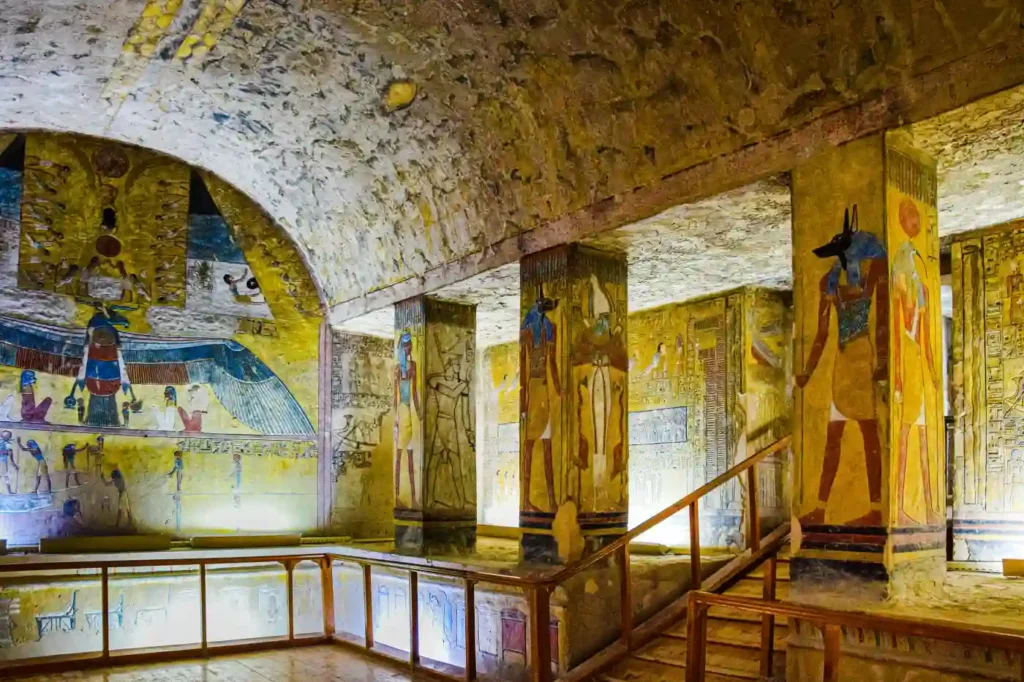
Seti I (KV17): Widely considered the most artistically refined tomb in the Valley, with extraordinary wall reliefs and celestial ceilings.
-
Ramesses VI (KV9): Famous for its astronomical imagery and deep blue ceilings.
-
Ramesses III (KV11): Offers a mix of traditional funerary texts and rare scenes of daily life.
These tombs reward slow exploration and close observation.
Best Tombs for Visitors with Limited Time
If your schedule is tight—such as a brief Luxor stop or cruise excursion—efficiency matters.
Time-friendly options:
-
Ramesses VI (KV9): High impact without excessive walking.
-
Ramesses IX (KV6): Short corridors and clear layout.
-
Tausert / Setnakht (KV14): Usually less crowded and easy to explore.
These tombs allow you to experience the Valley’s essence in two hours or less.
Best Tombs for Travelers Concerned About Stairs or Heat
Not all tombs require deep descents. Some are more accessible and comfortable, especially for older travelers or those sensitive to enclosed spaces.
More manageable tombs:
-
Tutankhamun (KV62): Very short visit with minimal stairs.
-
Ramesses IX (KV6): Gentle slope and good ventilation.
-
Ramesses VII (when open): Small and straightforward.
Visiting early in the morning further reduces heat and fatigue.
Best Tombs for a Quiet, Less Crowded Experience
Crowds often dictate enjoyment. If serenity matters more than fame, avoid the most popular tombs during peak hours.
Calmer choices:
-
Tausert / Setnakht (KV14)
-
Merenptah (KV8)
-
Ramesses III (KV11)
These tombs provide space to pause, reflect, and absorb the artwork without pressure.
Smart Tomb Combinations Based on Travel Style
-
Balanced first visit: Ramesses VI + Tutankhamun + Ramesses IX
-
Art-focused visit: Seti I + Ramesses VI + Ramesses III
-
Relaxed and uncrowded: Tausert/Setnakht + Merenptah + Ramesses III
-
Short visit: Ramesses VI + Ramesses IX + one quiet tomb
Choosing combinations rather than individual tombs creates a smoother experience.
Why a Nile Cruise Visit Changes the Experience?
When the Valley of the Kings is visited as part of a well-paced Nile cruise, the experience becomes more intentional. Small-boat cruises like Turquoise Dahabiya allow early or well-timed visits, expert guidance, and the comfort of returning to a calm river setting instead of rushing to the next stop.
This rhythm encourages deeper appreciation and better decision-making—key to enjoying the Valley.
Final Thoughts
There is no single answer to the question of the best tombs to visit in the Valley of the Kings. The best choices depend on how you travel, what inspires you, and how much energy you want to invest. By selecting tombs that match your interests and pace, even a short visit can feel powerful and personal.
With the right planning, the Valley of the Kings becomes not just a famous site—but a lasting memory of Egypt’s ancient brilliance.