

Have you ever wondered what makes the Nubian Museum Aswan Egypt a must-visit destination? From ancient Nubian artifacts to vibrant cultural displays, this museum offers travelers a unique glimpse into the rich history and traditions along the Nile. Whether you are exploring Aswan on a day trip or as part of a luxurious Nile sailing journey, discovering the Nubian Museum promises an unforgettable experience.
What Is the Nubian Museum in Aswan?
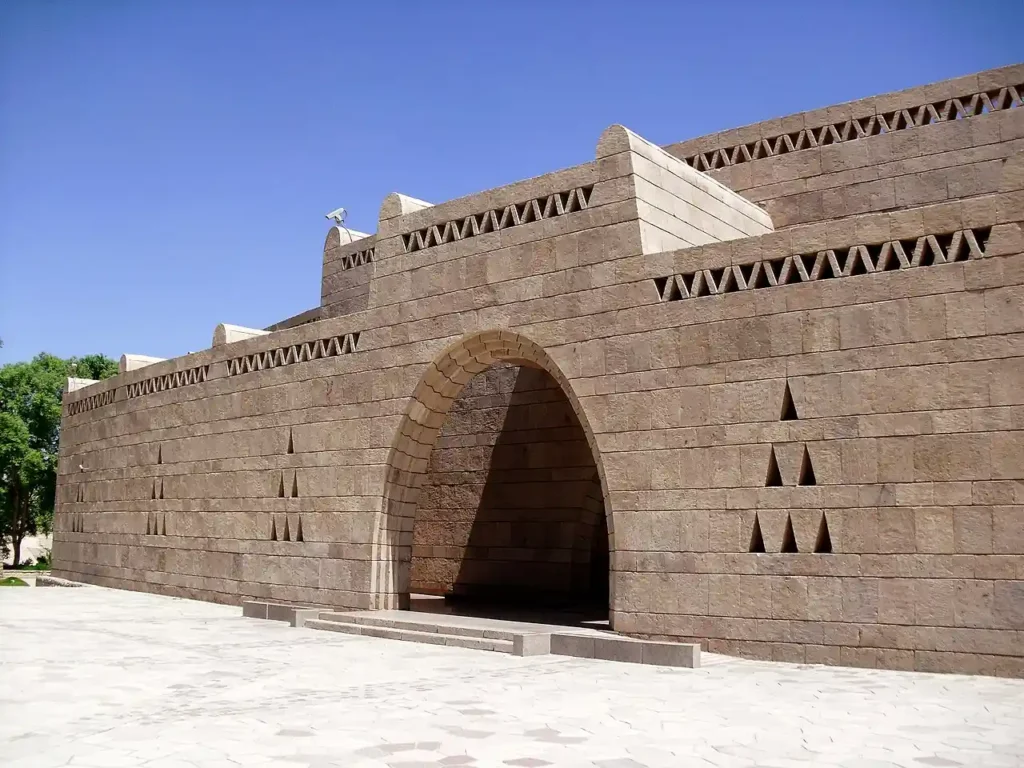
The Nubian Museum is a cultural museum dedicated to preserving the heritage, history, and traditions of Nubian civilization. Located in Aswan, the museum opened in 1997 and houses thousands of artifacts discovered across the Nubian region.
Its collections include archaeological finds, traditional Nubian objects, historical photographs, and detailed cultural displays. Together, these exhibits tell the story of Nubia from ancient settlements along the Nile to the vibrant Nubian communities that still exist today.
The Story Behind the Nubian Museum
The creation of the Nubian Museum is closely connected to one of the most important modern projects in Egypt: the construction of the Aswan High Dam. When the dam was built in the 1960s, large parts of ancient Nubia were flooded by the waters of Lake Nasser.
Entire villages were relocated, and many historical sites were at risk of disappearing forever. Archaeologists launched a massive international campaign to document and rescue Nubian heritage before it was lost.
The Nubian Museum was established to protect this history and present it to the world. Today it stands as a tribute to Nubian culture and to the global effort that helped preserve one of the Nile Valley’s most important civilizations.
Why Nubian Culture Is So Important?
Nubia has played a major role in the history of the Nile Valley for thousands of years. Located south of Egypt, Nubian kingdoms developed strong trade networks, artistic traditions, and political influence across the region.
At several points in history, Nubian rulers even controlled Egypt. During the 25th Dynasty, Nubian pharaohs ruled the Nile Valley and contributed to the revival of ancient Egyptian traditions.
Yet Nubian culture is not only about ancient history. Today Nubian communities maintain vibrant traditions including colorful architecture, music, language, and hospitality. Visitors traveling through Aswan can still experience these traditions in Nubian villages along the Nile.
The Nubian Museum celebrates both the ancient heritage and the living culture of Nubian people.
What You Can See Inside the Nubian Museum?
Walking through the Nubian Museum feels like a journey across thousands of years of history. The exhibitions guide visitors through different periods of Nubian civilization, beginning with prehistoric settlements and continuing to modern cultural life.
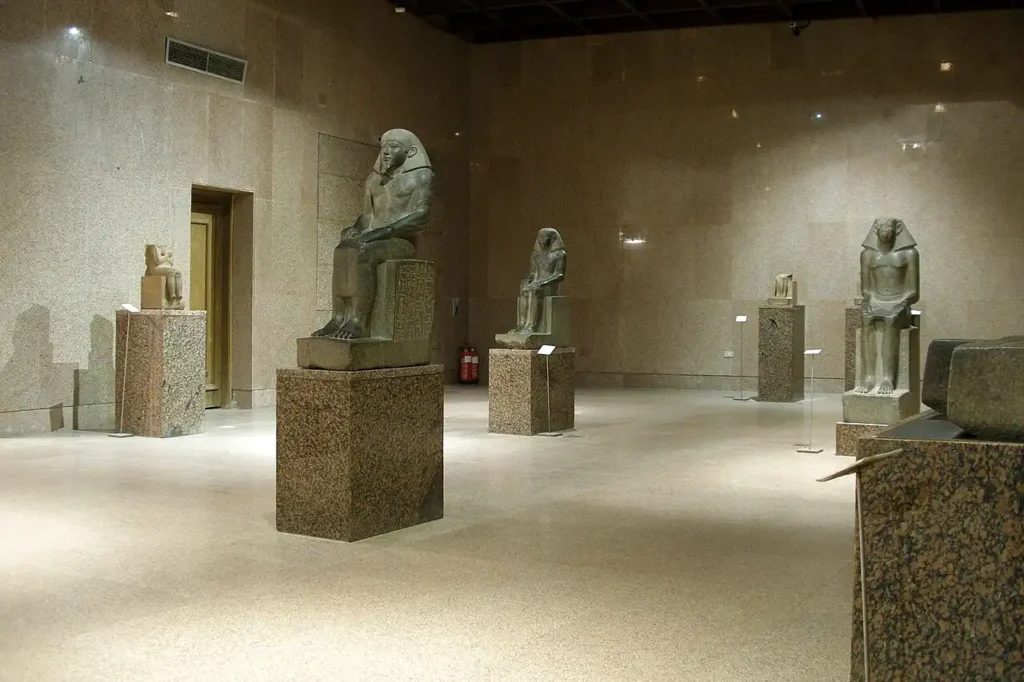
One of the most fascinating sections of the museum features artifacts discovered during archaeological excavations throughout Nubia. These include pottery, tools, statues, and jewelry that reveal how ancient communities lived and worked along the Nile.
Another highlight is the collection of sculptures and inscriptions that illustrate the connections between Nubian kingdoms and ancient Egypt. These objects demonstrate how the two cultures influenced one another over centuries of contact and trade.
Visitors will also find detailed displays that show traditional Nubian homes, farming tools, and clothing. These exhibits help travelers understand the daily life of Nubian communities and their close relationship with the Nile.
Highlights Visitors Should Not Miss
While the museum contains many impressive galleries, several areas stand out as particularly memorable for visitors.
The outdoor garden is one of the museum’s most beautiful spaces. Here, large statues and architectural fragments discovered during archaeological excavations are displayed among landscaped paths and greenery. The peaceful setting allows visitors to appreciate ancient monuments in a natural environment.
Inside the museum, the prehistoric artifacts section is another highlight. This gallery displays objects that date back thousands of years before the age of the pharaohs, offering a glimpse into the earliest civilizations of the Nile Valley.
Many visitors are also drawn to the exhibits that tell the story of Nubian villages that were relocated after the creation of Lake Nasser. Through photographs, models, and personal stories, the museum reveals the resilience of Nubian communities during this dramatic transformation.
Where Is the Nubian Museum Located?
The Nubian Museum is located in the southern area of Aswan, overlooking the Nile River. The museum sits on a hillside that offers beautiful views of the surrounding landscape.
Its location makes it easy to reach from most hotels and attractions in Aswan. Many travelers visit the museum as part of a day exploring the city, often combining the visit with nearby cultural experiences or scenic walks along the Nile.
Because of its central location, the Nubian Museum is also a convenient stop for travelers starting or ending a Nile journey.
Is the Nubian Museum Worth Visiting?
Yes, the Nubian Museum is widely considered one of the most rewarding cultural attractions in Aswan. Unlike many traditional museums, it presents history in an engaging and accessible way through interactive exhibits, outdoor monuments, and detailed cultural displays.
For travelers who want to understand the deeper cultural story of southern Egypt, the museum offers valuable insight into the heritage of the Nile Valley. It complements visits to nearby temples and historical sites by revealing the human history behind the region.
Experiencing the Nubian Museum and the Nile in Complete Comfort
A journey along the Nile from Luxor to Aswan is more than sightseeing—it’s an invitation to immerse yourself in the heart of Nubian culture. Visiting the Nubian Museum offers a fascinating glimpse into the region’s rich history, while sailing aboard a traditional dahabiya allows for quiet exploration of islands, villages, and riverside temples.
Concerns about safety often cross travelers’ minds, but the calm rhythm of life along the Nile quickly reassures visitors. Friendly local communities, well-organized tours, and the tranquil pace of sailing create an experience where discovering Egypt feels as safe as it is unforgettable.
For those seeking an authentic and worry-free Nile journey, Turquoise Dahabiya provides luxury sailing experiences between Luxor and Aswan, combining cultural exploration, scenic tranquility, and personalized service for a journey that is both enriching and secure.

Frequently Asked Questions
Why is the Nubian Museum important to Egyptian history?
The Nubian Museum preserves the history and culture of Nubian civilization, protecting thousands of years of heritage and artifacts from southern Egypt.
Is the Nubian Museum suitable for all visitors?
Yes. The Nubian Museum is easy to explore, with clear exhibits and cultural displays that make it interesting for both history lovers and casual visitors.
What attractions are close to the Nubian Museum in Aswan?
Near the Nubian Museum, visitors can explore Philae Temple and Elephantine Island while visiting Aswan.
If you are planning to explore Aswan, the Nubian Museum is a destination that reveals the deeper cultural soul of southern Egypt. Combined with a relaxing Nile journey and visits to historic temples and villages, it offers travelers a richer and more meaningful experience of the Nile Valley, contact us now.