

When travelers dream of ancient Egypt, places like the Valley of the Kings, Karnak Temple, and Abu Simbel usually top the list. Yet tucked away between Aswan and Luxor lies a remarkable archaeological site that many visitors never hear about—El Kab Tombs.
Hidden beneath dramatic limestone cliffs overlooking the Nile, these beautifully decorated rock-cut tombs offer something increasingly rare in Egypt: space to explore, time to appreciate ancient artistry, and the feeling of discovering a place that most tourists miss.
If you’re looking for authentic experiences beyond the usual tourist trail, El Kab deserves a place on your Nile cruise itinerary.
Why Visit El Kab Tombs?
Egypt is home to hundreds of ancient sites, so what makes El Kab Tombs worth your time?
The answer isn’t just their age—it’s the experience.
Unlike many of Egypt’s famous attractions, El Kab offers a peaceful atmosphere where you can explore without large crowds. Instead of rushing from one monument to another, you’ll have the opportunity to admire intricate wall paintings, panoramic desert landscapes, and one of Upper Egypt’s oldest settlements at your own pace.
For travelers seeking a deeper connection with ancient Egypt, El Kab provides an experience that feels personal rather than overwhelming.
Highlights include:
- Beautifully preserved rock-cut tombs
- Stunning views over the Nile Valley
- Quiet surroundings ideal for photography
- Fascinating artwork that reveals everyday life in ancient Egypt
- A chance to discover a site many visitors overlook
Sometimes, the places that leave the strongest memories are the ones that never appeared on your original travel list.

What Makes El Kab Different from Other Egyptian Tombs?
Many visitors automatically compare El Kab to the Valley of the Kings—but the two sites tell very different stories.
The Valley of the Kings showcases the magnificent tombs of Egypt’s pharaohs. El Kab, on the other hand, introduces you to the lives of governors, military leaders, and high-ranking officials who helped shape ancient Egyptian society.
Their tombs are filled with scenes of daily life, agriculture, religious ceremonies, hunting, and family traditions, offering a more personal glimpse into the civilization behind the great monuments.
Because the site receives relatively few visitors, you can spend time appreciating details that are often difficult to enjoy at Egypt’s busier archaeological attractions.
If you’re interested in discovering the people behind ancient Egypt—not just its kings—El Kab is an exceptional destination.
The Tombs You Shouldn’t Miss
Several tombs stand out for their remarkable artwork and historical significance.
Tomb of Paheri
One of the most impressive tombs at El Kab, the Tomb of Paheri is celebrated for its beautifully preserved paintings depicting farming, fishing, banquets, and religious rituals.
Rather than focusing only on royal achievements, these scenes reveal how ordinary life unfolded more than 3,000 years ago, making the visit both fascinating and relatable.
Tomb of Ahmose
Dedicated to one of Egypt’s respected military commanders, this tomb features detailed inscriptions celebrating victories and royal service.
Its artwork provides valuable insight into the military history of ancient Egypt while showcasing the artistic skill of New Kingdom craftsmen.
Tomb of Setau
Although smaller than some neighboring tombs, Setau’s burial place rewards visitors with elegant carvings and a peaceful atmosphere that encourages slow exploration.
Together, these monuments create a rich picture of life beyond the royal courts.

What Will You Experience During Your Visit?
One of the greatest pleasures of visiting El Kab is how different the experience feels compared to Egypt’s busiest landmarks.
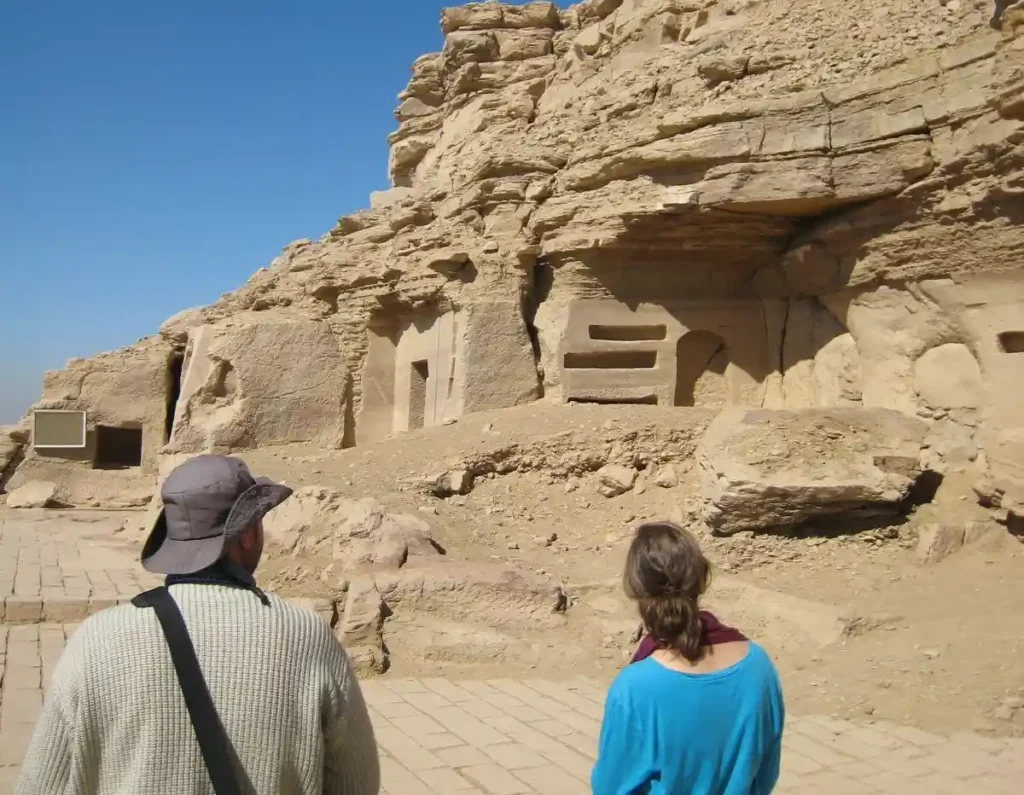
After a short climb toward the cliffs, you’ll be rewarded with breathtaking views across the fertile Nile Valley, where green farmland meets the golden desert.
Inside the tombs, sunlight filters through ancient entrances, illuminating colorful carvings that have survived for thousands of years.
Outside, the silence is striking.
Instead of waiting behind large tour groups, you’ll often have entire sections of the site almost to yourself—allowing you to slow down, take photographs, and truly appreciate the atmosphere.
For many travelers, this sense of discovery becomes one of the highlights of their journey through Upper Egypt.
Can You Visit El Kab During a Nile Cruise?
Absolutely—and it’s one of the best ways to experience the site.
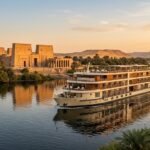
Located between Luxor and Aswan, El Kab fits naturally into a Nile cruise itinerary. However, many large cruise ships follow fixed schedules that focus only on Egypt’s most famous landmarks, meaning they often sail past this extraordinary archaeological site without stopping.
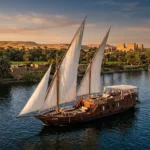
This is where a boutique Dahabiya offers a different kind of journey.
Because Dahabiyas sail at a slower pace with more personalized itineraries, they provide opportunities to experience remarkable places like El Kab alongside iconic attractions such as Kom Ombo, Edfu, and Luxor’s West Bank.
Instead of simply checking famous monuments off a list, you’ll discover hidden corners of Egypt that many travelers never have the chance to see.

The Best Time to Visit El Kab Tombs
The most enjoyable time to explore El Kab is during the cooler months, from October through April, when temperatures are ideal for outdoor sightseeing.
Early morning visits are especially rewarding, offering:
- Comfortable weather
- Soft natural light for photography
- Peaceful surroundings
- Excellent visibility across the Nile Valley
These conditions allow you to enjoy both the archaeological site and its spectacular scenery without the intense midday heat.
Nearby Attractions to Add to Your Itinerary
One of El Kab’s greatest advantages is its location between several of Upper Egypt’s most celebrated destinations.
If you’re planning a journey along the Nile, consider combining your visit with:
- Temple of Edfu, one of Egypt’s best-preserved temples.
- Gebel El Silsila, the ancient sandstone quarries that supplied stone for many famous monuments.
- Kom Ombo Temple, dedicated to both Sobek and Horus.
- Luxor’s West Bank, home to the Valley of the Kings, Medinet Habu, and the Temple of Hatshepsut.
- Aswan, known for Philae Temple, Nubian culture, and beautiful Nile scenery.
Together, these destinations create a richer and more balanced Nile experience, blending world-famous monuments with hidden archaeological treasures.

Why El Kab Belongs on Your Egypt Itinerary
Some destinations impress because they’re famous.
Others leave a lasting impression because they feel like a personal discovery.
El Kab Tombs belong to the second category.
Their peaceful setting, beautifully preserved artwork, and unique perspective on ancient Egyptian life make them one of Upper Egypt’s most rewarding hidden attractions. Whether you’re passionate about archaeology, photography, or simply exploring places beyond the typical tourist route, El Kab offers an experience that’s both authentic and unforgettable.
For travelers seeking a more meaningful way to explore the Nile, including hidden gems like El Kab alongside Egypt’s iconic landmarks transforms a great vacation into an extraordinary journey. A luxury Dahabiya cruise makes that possible by combining the country’s must-see monuments with lesser-known sites that reveal the true depth of Egypt’s history and culture.
Frequently Asked Questions
Are El Kab Tombs worth visiting?
Yes. El Kab Tombs offer beautifully preserved artwork, fewer crowds, and a unique look at the lives of ancient Egyptian nobles, making them one of Upper Egypt’s most rewarding hidden attractions.
Where are El Kab Tombs located?
El Kab is located on the east bank of the Nile between Luxor and Aswan, making it an excellent stop during a Nile cruise.
How long should I spend at El Kab?
Most visitors spend 1 to 2 hours exploring the tombs, enjoying the scenery, and taking photographs.
Can El Kab be included in a Nile cruise itinerary?
Yes. Boutique Dahabiya cruises are particularly well suited for visiting hidden archaeological sites like El Kab, thanks to their slower pace and more flexible itineraries.
What makes El Kab different from the Valley of the Kings?
While the Valley of the Kings focuses on royal tombs, El Kab highlights the tombs of important officials and military leaders, offering a different perspective on life in ancient Egypt.