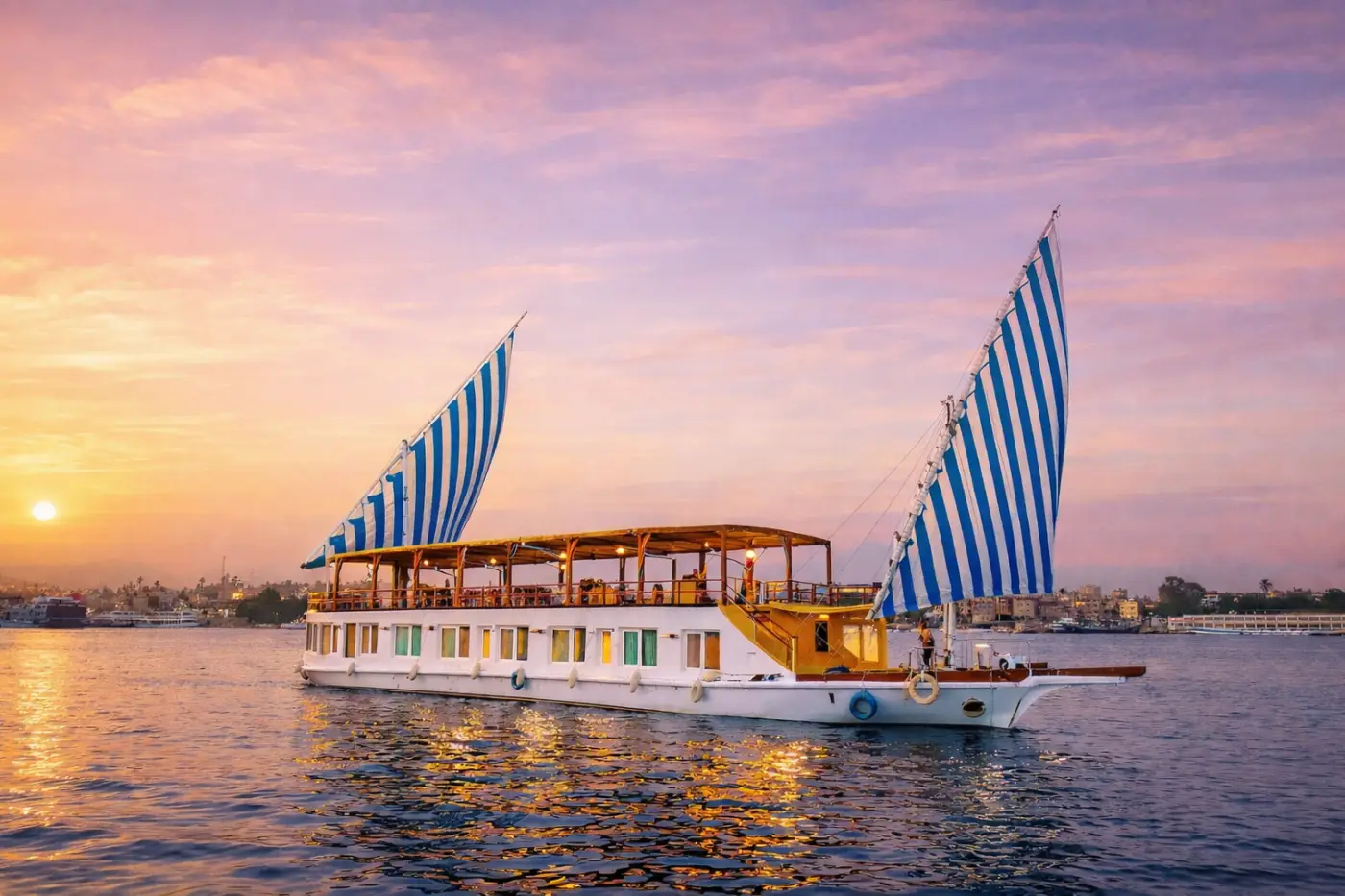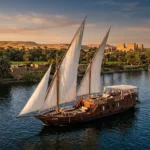


Have you ever wondered what lies beyond the Aswan High Dam, where the Nile disappears into a vast desert landscape dotted with ancient temples, hidden history, and unspoiled beauty? Lake Nasser in Egypt is much more than one of the world’s largest man-made lakes—it’s a place where colossal monuments, Nubian heritage, and untamed wilderness coexist far from the crowded tourist trails. Once you unlock the secrets of Lake Nasser, you’ll see ancient Egypt from a whole new perspective.
Where is Lake Nasser? Understanding the map
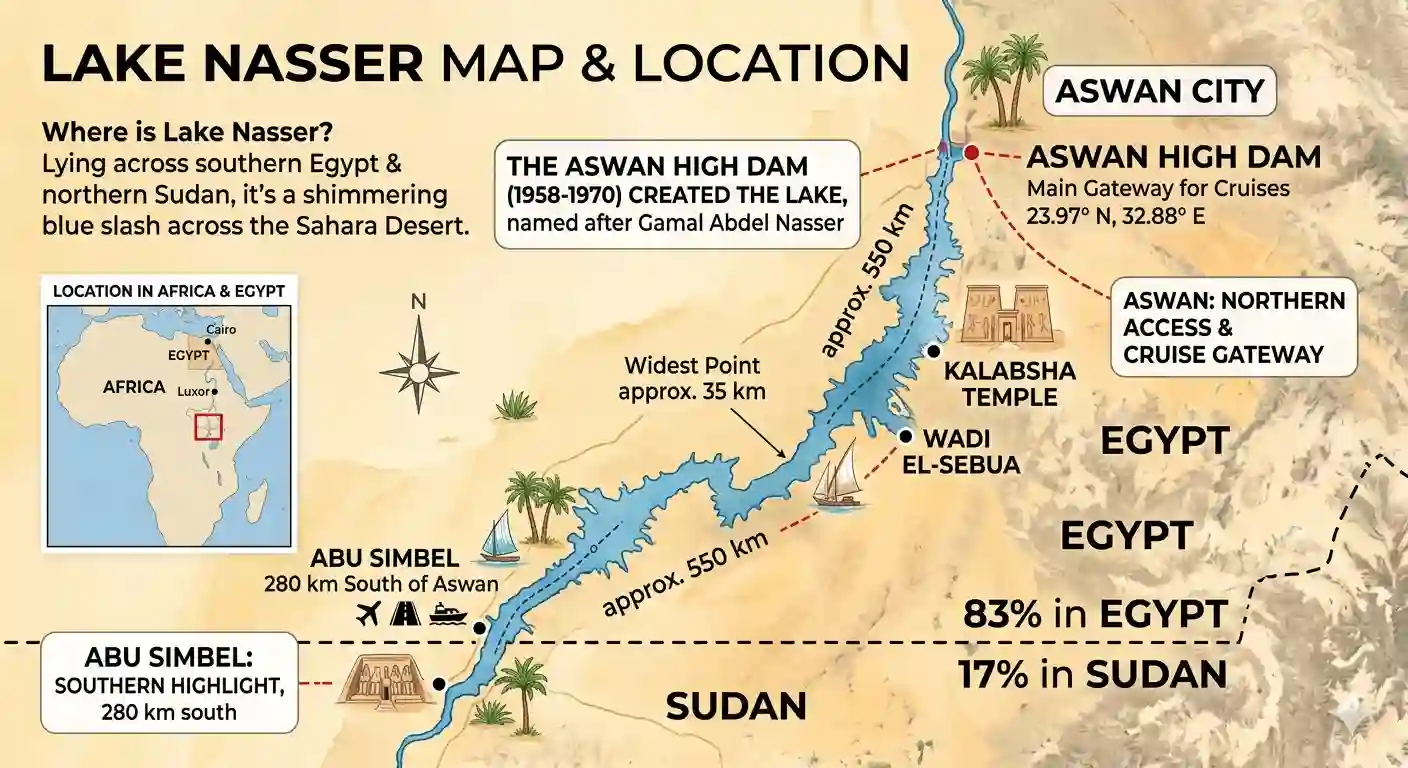
On the map of Lake Nasser , the lake stretches dramatically between southern Egypt and northern Sudan—a shimmering blue glow across the Sahara Desert. Its northern end begins just south of the Aswan High Dam and extends approximately 550 km southward, its widest point reaching about 35 km.
To put it simply: if Luxor is the heart of the ancient Egyptian world, Lake Nasser is its most powerful secret.
- Northern access: the city of Aswan — the main gateway for all cruises on Lake Nasser
- A major highlight in the south is Abu Simbel, 280 km south of Aswan, accessible only by air, road, or cruise ship.
- The lake is located in Upper Egypt, on the border of the Sudanese region historically known as Nubia.
- Nearly 83% of the lake is located in Egyptian territory
The lake was created after the construction of the Aswan High Dam between 1958 and 1970 — one of the greatest technical achievements of the 20th century — and is named after Egypt’s second president, Gamal Abdel Nasser.
Why is Lake Nasser so different from the rest of Egypt?
As soon as travelers arrive at Lake Nasser, the atmosphere changes completely.
There are no crowded streets. No abundance of souvenir shops. No heavy urban traffic.
Instead, you discover:
- Vast desert landscapes
- Calm, blue water stretching to the horizon
- Isolated temples
- Golden sunsets
- Almost total silence
This silence becomes an integral part of the experience itself.
At night, many visitors remain on the deck of their cruise ship long after dinner, simply to watch the stars reflected on the water. With almost no light pollution in the surrounding area, the skies above Lake Nasser become unforgettable.
For luxury travelers seeking slow travel experiences, this region seems far more exclusive than the traditional Nile route.
The incredible story behind Lake Nasser
Lake Nasser exists thanks to one of the most ambitious engineering projects in modern history: the Aswan High Dam.
Before the dam was built, the Nile flooded unpredictably every year. Egypt needed better flood control, efficient irrigation, and electricity for its growing population. Construction of the dam began in 1960 and permanently transformed southern Egypt.
But the creation of the lake came with considerable consequences.
Entire Nubian villages disappeared beneath the rising waters, and thousands of Nubian families were relocated near Aswan. Ancient temples were also threatened with destruction.
To save them, UNESCO launched a vast international rescue operation.
Some temples have been:
- Cut into huge blocks of stone
- Carefully transported
- Reassembled on higher ground
Without this effort, many of Egypt’s greatest monuments would be underwater today.
The Nubian people: the living soul of Lake Nasser
Beyond the monuments on the map of Lake Nasser lies the true heart of the region: the Nubian people. Having lived along the Nile for millennia, they possess a culture, a language (Nobiin) and a spirit that are entirely their own.
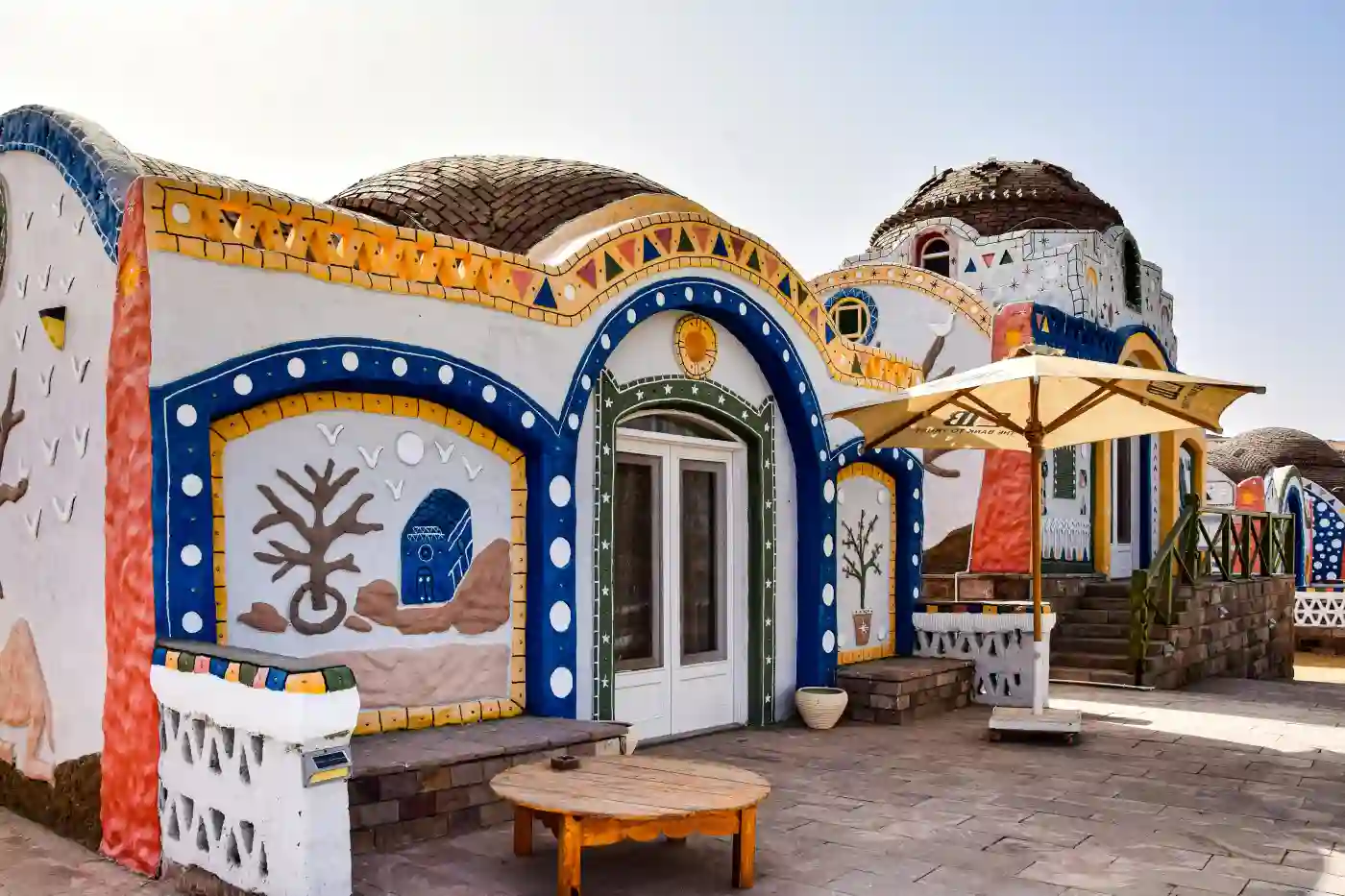
During your visit, you’ll notice their vibrant architecture—bright blue and yellow hues, often adorned with crocodile motifs. At Turquoise Dahabiya, we believe in « slow travel, » which means connecting with the Nubian philosophy of living in harmony with nature and time.
The lesser-known temples along the lake
Although Abu Simbel attracts most visitors, several other temples along Lake Nasser remain surprisingly uncrowded.
The Temple of Kalabsha
Located near the High Dam, the Kalabsha temple blends Roman and ancient Egyptian architectural styles and offers beautiful views of the lake.
Wadi El Seboua
Known as the « Valley of the Lions », this isolated temple complex is adorned with sphinx-lined walkways that traverse the desert landscape.
The Temple of Amada
Amada contains some of the best-preserved painted bas-reliefs in Egypt and is considered one of the oldest temples in Nubia.
Qasr Ibrim
Unlike the relocated temples, Qasr Ibrim still stands in its original location, on a rocky islet that emerges from the lake.
Wildlife and adventure: the crocodiles of Lake Nasser
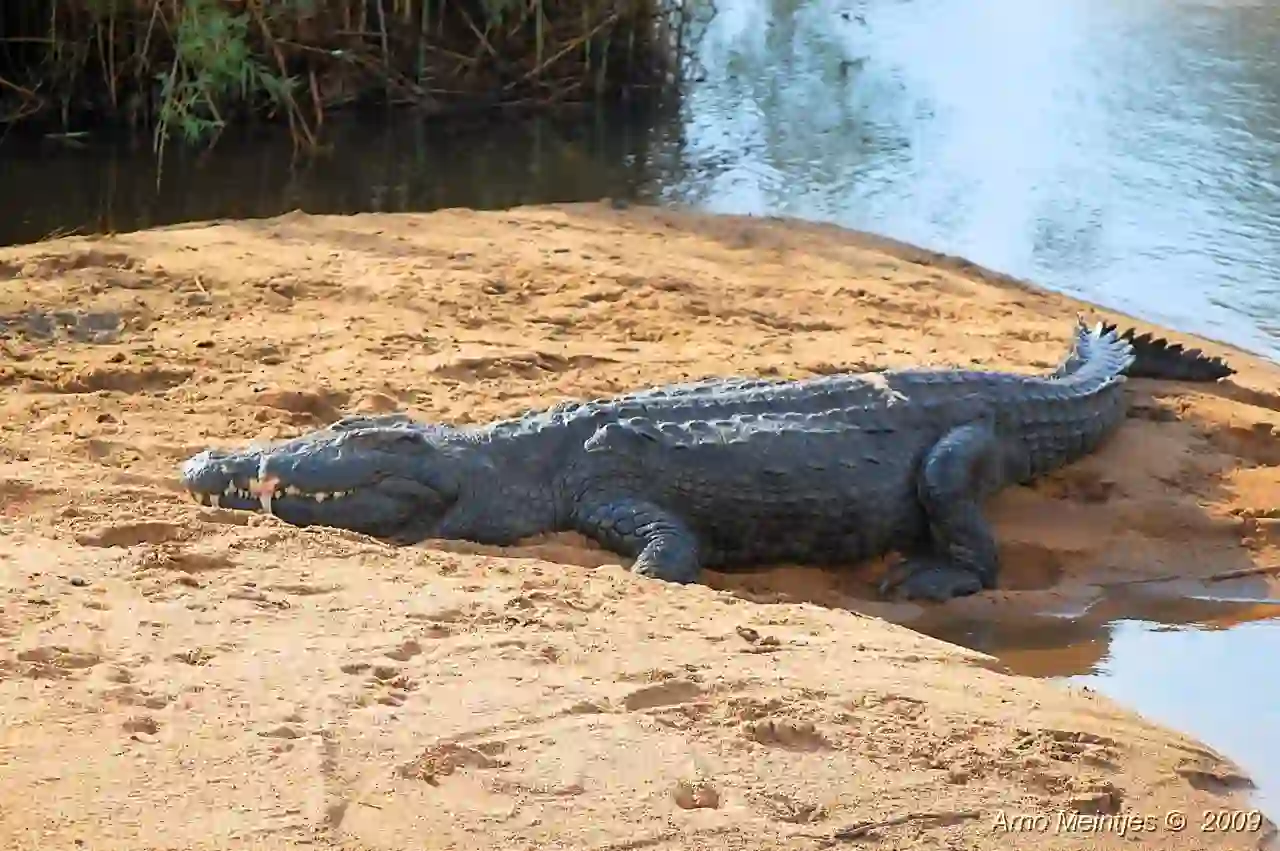
The wildlife is a great surprise for many visitors. The crocodiles of Lake Nasser represent the last wild population of Nile crocodiles in Egypt. Seeing these prehistoric giants resting on an isolated desert shore is like a scene from an African safari.
The lake is also a paradise for:
- The Fishermen : In Pursuit of the Legendary Captain of the Nile (Nile Perch).
- Birdwatchers : to observe ospreys, pelicans and Egyptian geese.
Lake Nasser vs. traditional Nile cruises
Travelers often compare Lake Nasser with classic Nile cruises between Luxor and Aswan.
| Nile River Cruise | Cruise on Lake Nasser |
|---|---|
| Verdant landscapes of the Nile | Desert landscapes |
| More lively atmosphere | Calm and exclusivity |
| Famous Temples | Isolated Nubian monuments |
| Traditional Egyptian Life | Wildlife and isolation |
| Ideal for first-time visitors | Ideal for in-depth exploration |
The best experience often involves combining both trips. The best itinerary in Egypt brings them both together. Discover our Dahabiya Nile cruises to see how we create this journey.
Frequently asked questions about Lake Nasser
Where is Lake Nasser?
It is located in southern Egypt, extending from the Aswan High Dam to the Sudanese border.
Are there crocodiles in Lake Nasser?
Yes, it is home to the last wild population of Nile crocodiles in Egypt.
What is the best way to visit Lake Nasser?
A multi-day cruise between Aswan and Abu Simbel is the most majestic and practical way.
Can I combine Lake Nasser with a Dahabiya cruise on the Nile?
Yes — combining the two makes for the most comprehensive Upper Egypt trip available, covering the Nile between Luxor and Aswan, then continuing to Nubia via Lake Nasser.
Lake Nasser and the Dahabiya Experience – A Perfect Pair
Lake Nasser gives the impression of another version of the country — calmer, slower and much more remote than the Egypt most travelers know.
It is a place where surviving temples rise above the desert waters, where crocodiles still survive on isolated shores, and where silence becomes an integral part of the journey itself.
If you’ve explored Dahabiya cruises on the Nile in Egypt, you already understand the appeal of slow travel, intimate settings, and an authentic connection to the water. Lake Nasser offers that same spirit—but on an almost geological scale. Fewer passengers, pristine landscapes, and temples that seem to belong to you.
At Turquoise Dahabiya, we specialize in crafting authentic experiences on Egypt’s waterways—from the legendary stretch between Luxor and Aswan to the longer journey that takes you to the shores of Lake Nasser. Every cruise is designed around one belief: Egypt deserves to be felt, not just seen.
Your journey to Egypt begins the moment you step on board. Let us plan the rest.