

Egypt Christmas food tells a fascinating story of faith, family, and culinary heritage. While Christmas celebrations in many Western countries revolve around roast turkey, potatoes, and Christmas pudding, Egyptian Christmas tables often feature something quite different: fragrant rice, tender meat, crispy bread, garlic-vinegar sauce, and traditional Egyptian sweets.
At the heart of the celebration is Coptic Christmas, observed on January 7, when many Egyptian Orthodox Christian families gather after a period of religious fasting to enjoy a festive meal.
The centerpiece is often fattah, a traditional Egyptian dish made with rice, bread, meat, and a distinctive garlic-vinegar sauce. Roast lamb, stuffed vegetables, and sweet treats such as kahk and ghorayeba may also appear on the table.
For international travelers spending Christmas in Egypt, understanding these food traditions offers a richer perspective on Egyptian culture. This guide explores what Egyptians eat at Christmas, the meaning behind their festive dishes, the foods enjoyed during the Nativity Fast, and how visitors can discover authentic Egyptian cuisine during the holiday season.
Egyptian Christmas Food at a Glance
January 7
Coptic Orthodox Christmas Day
About 43 days
Nativity Fast before the feast
Fattah
Rice, bread, meat and garlic-vinegar sauce
What Do Egyptians Eat on Christmas?
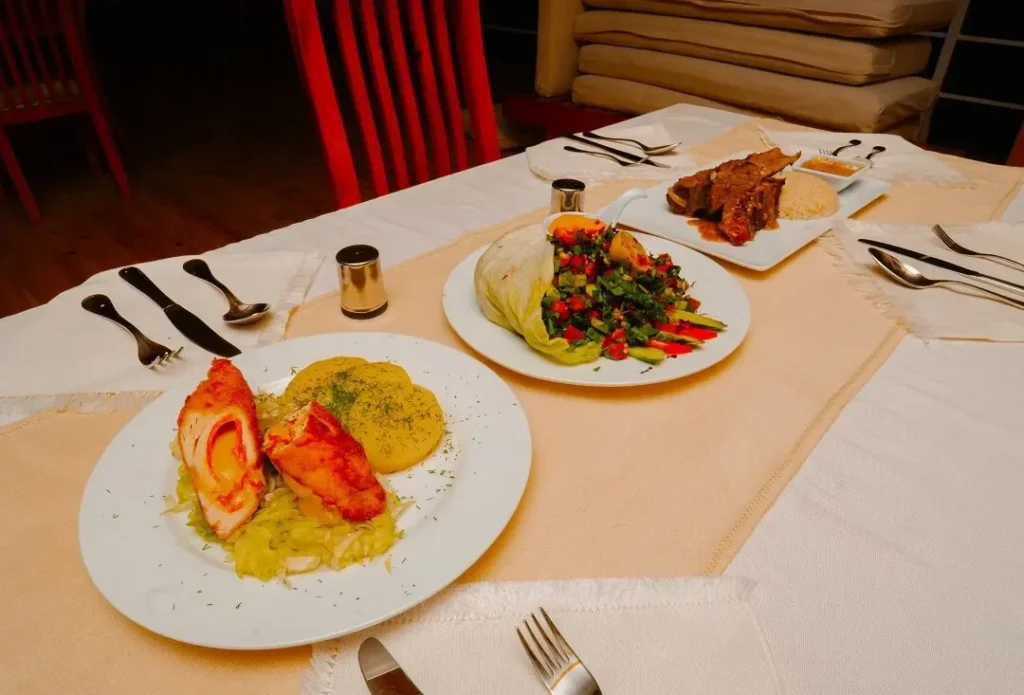
The most recognizable traditional Egyptian Christmas food is fattah, a hearty layered dish commonly prepared with rice, crispy bread, meat, and garlic-vinegar sauce.
After Christmas Eve church services, many Coptic Christian families celebrate with meals featuring meat and other ingredients avoided during the preceding fast.
A traditional Egyptian Christmas meal may include:
Savory Centerpieces
- Egyptian fattah: Rice, toasted bread, meat, and garlic-vinegar sauce.
- Roast lamb: A festive meat dish served in some households.
- Roast turkey: An alternative centerpiece for certain families.
- Mahshi: Vegetables stuffed with seasoned rice.
- Molokhia: A traditional Egyptian leafy-green dish.
Sweet Endings
- Kahk: Delicate Egyptian cookies, often dusted with powdered sugar.
- Ghorayeba: Buttery, shortbread-style cookies.
- Roz bil laban: Egyptian rice pudding.
- Basbousa and kunafa: Traditional Egyptian desserts enjoyed at celebrations.
There is no single Christmas menu followed by every Egyptian family. Recipes, accompaniments, and family customs vary, and not every dish associated with Egyptian celebrations is specifically a Christmas tradition.
Why Is Egyptian Christmas Celebrated on January 7?
For travelers from the United States, United Kingdom, Canada, Australia, and much of Europe, Christmas typically falls on December 25.
However, Egypt’s Coptic Orthodox Church celebrates the Nativity on January 7 in the current civil calendar.
The difference is connected to the church’s traditional calendar, which places the celebration of the Nativity on a date corresponding to January 7 in the Gregorian calendar.
Christmas Eve, January 6, is an important occasion for religious services and family gatherings.
Food becomes particularly meaningful because the celebration follows the Nativity Fast, a period of dietary restriction and spiritual preparation.
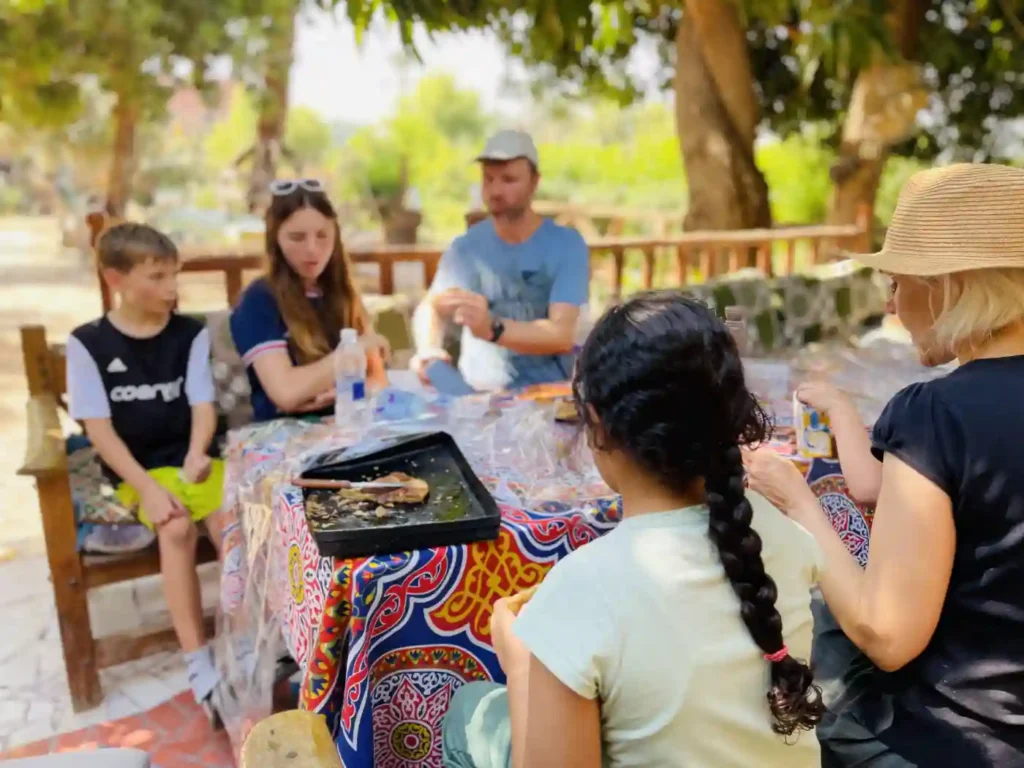
The Nativity Fast and Its Influence on Christmas Food
Many observant Coptic Orthodox Christians follow a Nativity Fast lasting approximately 43 days before Christmas.
The fasting tradition generally involves abstaining from animal products such as meat, dairy, and eggs, although specific dietary rules and individual observance can vary.
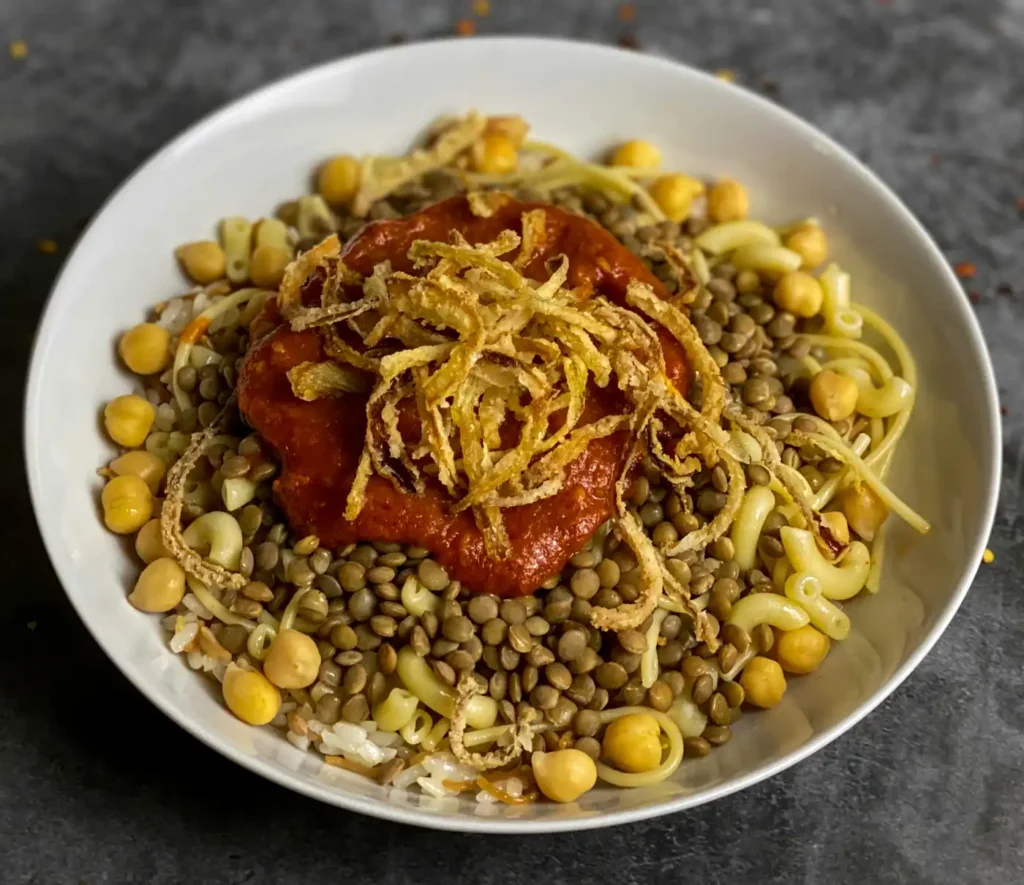
During this period, everyday meals may focus on:
- Lentils and vegetable soups.
- Beans and other legumes.
- Rice and grains.
- Vegetable dishes prepared without animal products.
- Bread and traditional Egyptian plant-based foods.
The transition from fasting dishes to a meat-based Christmas feast helps explain the importance of rich, celebratory food at Christmas.
For visitors, this contrast offers a useful insight into the relationship between Egyptian religious customs and culinary traditions.
Fattah: The Most Traditional Egyptian Christmas Dish
If you want to understand Egyptian Christmas cuisine through one dish, start with fattah.
Known in Arabic as fatta or fattah, this classic preparation combines familiar ingredients into a distinctive meal.
It is particularly associated with major Egyptian family celebrations and is one of the best-known dishes served after the Coptic Christmas fast.
What Is Egyptian Fattah Made Of?
The traditional dish brings together several elements.
| Ingredient | Role in the dish |
|---|---|
| Egyptian rice | Forms a substantial layer |
| Bread | Toasted or crisp pieces provide texture |
| Lamb or other meat | Adds richness and protein |
| Garlic | Gives the sauce its characteristic aroma |
| Vinegar | Creates the distinctive tangy flavor |
| Tomato sauce | Used in many household variations |
| Broth | Adds flavor and moisture |
The contrast between the soft rice, crisp bread, tender meat, and sharp sauce makes fattah memorable. Its flavor is more savory and aromatic than fiery. Garlic and vinegar contribute much of its personality.
How Is Egyptian Fattah Prepared?
A typical Egyptian fattah recipe follows these basic stages:
- Cook the meat until tender, reserving the broth.
- Prepare the rice.
- Toast or crisp pieces of Egyptian bread.
- Prepare a sauce with garlic and vinegar, often incorporating tomato.
- Arrange the bread and rice in layers.
- Add the meat and sauce before serving.
Exact methods vary from one family to another. Some cooks prefer lamb, while others use beef. The proportions of garlic, vinegar, and tomato can also differ considerably.
Traveler tip: For first-time visitors, fattah is an excellent introduction to the bold but balanced flavors of Egyptian home cooking.
Roast Lamb, Turkey, and Other Egyptian Christmas Dishes
Although fattah often receives the most attention, an Egyptian Christmas feast can include several other substantial dishes.
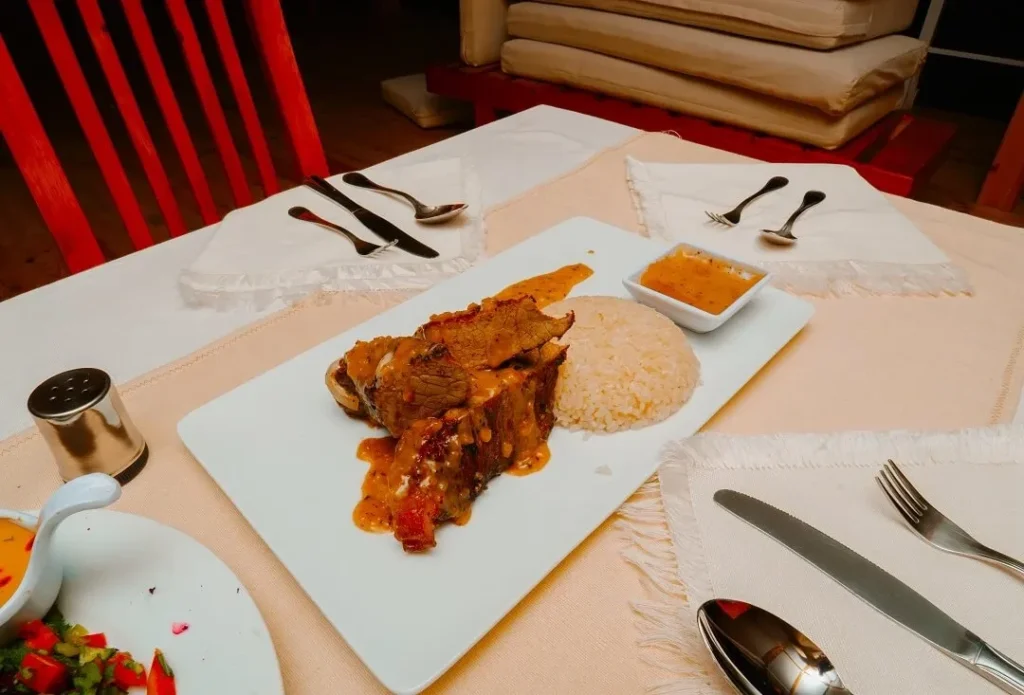
Roast Lamb
Lamb is strongly associated with festive dining in Egypt.
Depending on family preferences, it may be roasted, cooked in broth, or incorporated into fattah.
The preparation generally emphasizes the natural flavor of the meat, supported by seasoning and traditional cooking techniques.
Roast Turkey
Some Egyptian families serve turkey at Christmas, particularly when their holiday traditions incorporate Western-style dishes. However, turkey should not be considered the universal centerpiece of an Egyptian Christmas dinner.
Fattah and other Egyptian meat dishes remain more distinctive expressions of local festive cuisine.
Mahshi: Egyptian Stuffed Vegetables
Mahshi is a familiar Egyptian dish prepared by filling vegetables with seasoned rice. Common versions use peppers, zucchini, or other vegetables.
Depending on the recipe, mahshi can be prepared without meat or cooked with meat-based ingredients. It is a popular family dish that may accompany celebratory meals.
Molokhia: A Distinctive Egyptian Favorite
Molokhia is made from finely chopped leafy greens cooked into a flavorful dish. Garlic plays an important role in many preparations, and the dish is commonly served with rice or bread.
Although molokhia is not exclusive to Christmas, it is a familiar component of Egyptian home cooking and may be included in a family’s festive menu.
Traditional Egyptian Christmas Sweets and Desserts
Egyptian Christmas sweets reflect the country’s broader tradition of preparing pastries, cookies, and desserts for family gatherings. Some are closely associated with Egyptian religious festivals in general, rather than Christmas alone.
Kahk: Egypt’s Famous Celebration Cookies

Kahk are among Egypt’s most recognizable festive cookies.
These delicate, rich biscuits may be plain or filled with ingredients such as dates, nuts, or Turkish delight. They are often finished with a generous dusting of powdered sugar.
Kahk is especially famous during Eid al-Fitr, but it can also appear at other festive gatherings, including Christmas celebrations.
Ghorayeba: Egyptian Shortbread Cookies
Ghorayeba are soft, buttery cookies with a delicate, crumbly texture. Their appeal lies in their simplicity. Unlike heavily spiced pastries, ghorayeba emphasizes a rich, tender consistency.
They are a familiar Egyptian sweet suitable for celebrations and family visits.
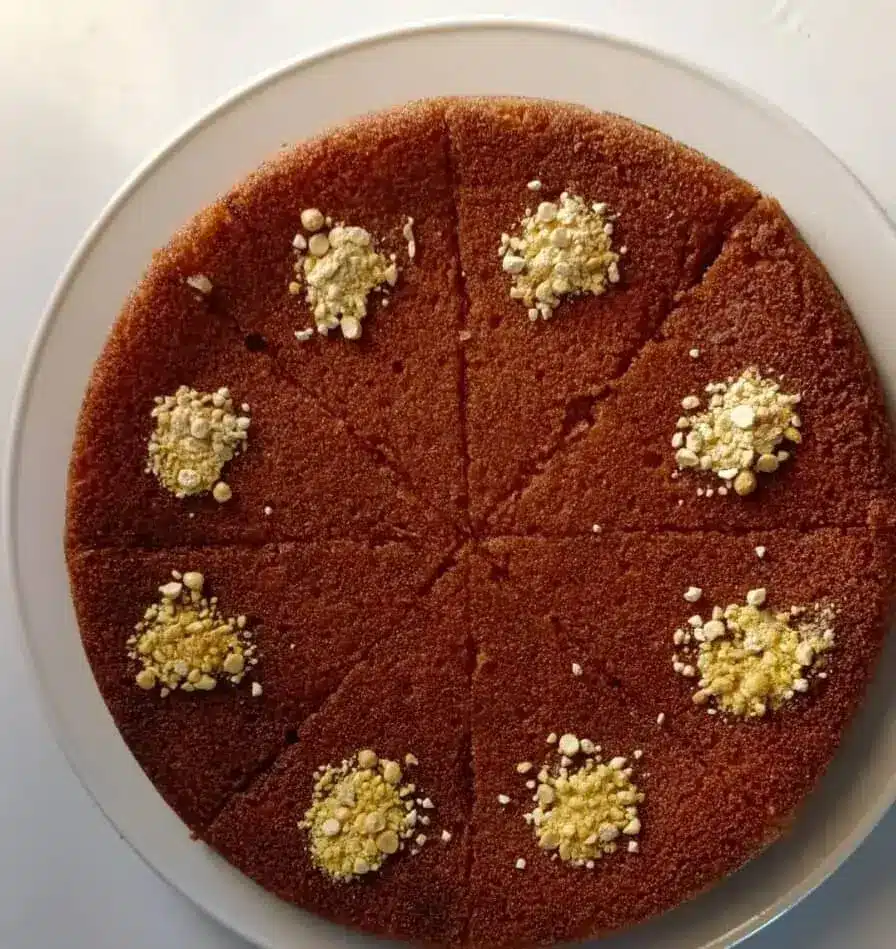
Basbousa: Egyptian Semolina Cake
Basbousa is a traditional semolina-based dessert soaked in sweet syrup.
Its moist texture and sweetness make it a popular choice for family gatherings.
Although not specifically a Christmas dessert, it can be part of an Egyptian holiday spread.
Kunafa: A Traditional Egyptian Pastry
Kunafa is another popular festive dessert. It is commonly prepared with fine pastry strands, a sweet filling, and syrup.
Different fillings and presentations make it a versatile dessert for celebrations.
Roz Bil Laban: Egyptian Rice Pudding
Roz bil laban is a creamy Egyptian rice pudding made with rice and milk. It offers a softer, lighter-textured alternative to pastries and cookies.
Like other milk-based desserts, it is suitable for the post-fast feast but would not normally fit a strict animal-product-free fasting menu.
A Traditional Egyptian Christmas Menu
If you are planning an Egyptian-inspired Christmas dinner, the following menu brings together characteristic Egyptian dishes and desserts. This is an illustrative menu rather than a fixed meal followed by all Coptic families.

| Course | Suggested Egyptian dish |
|---|---|
| Starter | Egyptian lentil soup |
| Main centerpiece | Lamb fattah with garlic-vinegar sauce |
| Additional main dish | Roast lamb or turkey |
| Side dish | Mahshi, Egyptian stuffed vegetables |
| Additional side | Molokhia |
| Cookies | Kahk and ghorayeba |
| Dessert | Basbousa or kunafa |
| Creamy dessert | Roz bil laban |
The menu can be adapted to family preferences and dietary requirements. The most important distinction is between the plant-based foods associated with fasting and the richer dishes traditionally enjoyed once the fast ends.
Egyptian Christmas Food for Tourists: What Should You Try?
If you are visiting Egypt during the Christmas season, food is one of the most accessible ways to understand local traditions.
However, there is an important difference between enjoying traditional Egyptian cuisine and attending an authentic family Christmas celebration. Many Egyptian dishes are available throughout the year, while Christmas family meals are private occasions.
Where Can You Try Egyptian Christmas Food?
In Cairo and other Egyptian cities, restaurants specializing in traditional Egyptian cuisine may offer dishes such as fattah, mahshi, and molokhia. Dessert shops and bakeries are another option for discovering Egyptian sweets.
Travelers should consider the following:
- Try fattah first. It is one of the clearest culinary connections to Egyptian Christmas celebrations.
- Explore traditional desserts. Kahk, ghorayeba, and basbousa provide an introduction to Egyptian sweet-making traditions.
- Ask about ingredients. Meat, dairy, butter, and nuts may appear in festive recipes.
- Check seasonal menus. Do not assume restaurants offer a special Coptic Christmas dinner simply because they serve Egyptian cuisine.
- Respect religious customs. Christmas is a meaningful religious and family occasion, not merely a seasonal dining event.
Is Egyptian Christmas Food Spicy?
Most traditional Egyptian Christmas dishes are better described as aromatic and savory rather than intensely spicy. Fattah, for example, gets much of its characteristic flavor from garlic and vinegar rather than hot chili.
Individual recipes may contain different seasonings, so visitors who prefer mild food should still ask about preparation.
Egyptian Christmas Food vs Western Christmas Food
Egyptian Christmas food shares the broader idea of gathering around a celebratory meal, but the dishes and customs differ from those familiar to many Western travelers.
| Tradition | Egyptian Coptic Christmas | Common Western Christmas |
|---|---|---|
| Main celebration date | January 7 | December 25 |
| Traditional centerpiece | Fattah or other meat dishes | Turkey, ham, or roast meat |
| Typical flavors | Garlic, vinegar, rice, and Egyptian seasonings | Roasting herbs, gravy, and regional seasonings |
| Common sweets | Kahk, ghorayeba, and Egyptian desserts | Christmas pudding, mince pies, or regional cakes |
| Religious food preparation | Nativity Fast in observant Coptic households | Varies by church and family tradition |
These comparisons describe common patterns, not rules that apply to every household. The distinctive feature of Coptic Christmas dining is its connection to a preceding period of fasting and the return to celebratory family meals.
Experience Egyptian Culture During Your Christmas Holiday
Food is one part of a much wider Egyptian Christmas experience. For international travelers, learning about Coptic Christmas traditions can add cultural depth to a holiday in Egypt. Traditional cooking reveals how religious observance, family customs, and everyday Egyptian ingredients come together.
To see the season beyond the dinner table, explore the symbols of Christmas in Egypt, listen to Egyptian Christmas music, browse our Egypt Christmas pictures, or check what Egypt is like during Christmas for weather and the best places to visit.
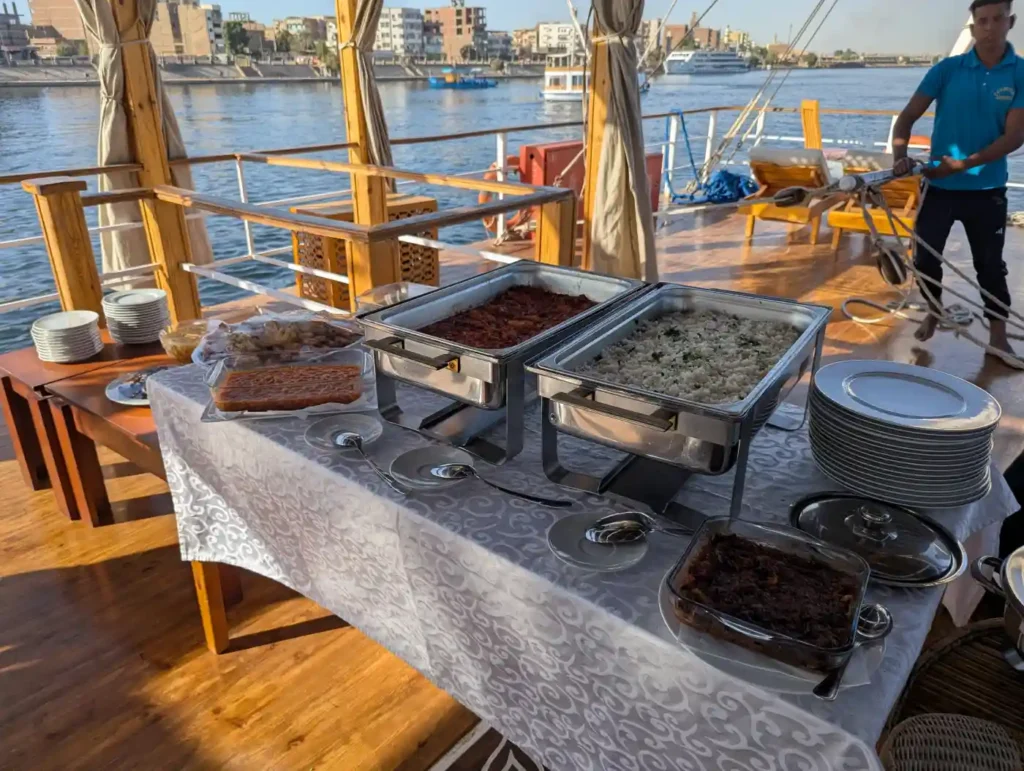


If you are considering a Nile journey during the festive season, you can also explore Turquoise Dahabiya as part of your Egypt travel research, from our Nile Christmas cruise to cruises at Christmas time. Our life on board page shows what a day on the river looks like.
A Nile cruise and a traditional Coptic Christmas food experience are not automatically the same activity. Before making plans, it is important to confirm whether any particular cruise or travel arrangement includes seasonal dining, festive activities, or related cultural experiences.

Plan Your Nile Christmas Journey
Tell us your travel dates and group size, and our team will help you plan a private Dahabiya journey for the festive season.
What Travelers Say About Turquoise Dahabiya on Tripadvisor
Before choosing a Nile journey, many travelers like to hear from other guests first. Read the reviews that guests share on Tripadvisor.


Frequently Asked Questions About Egypt Christmas Food
Fattah is one of the most iconic dishes associated with Coptic Christmas. It combines rice, bread, meat, and a garlic-vinegar sauce.
Coptic Orthodox Christians celebrate Christmas on January 7, with Christmas Eve services generally held on January 6. See our guide to the Christmas in Egypt date for details.
Many families gather for a festive meal featuring fattah, lamb, or other meat dishes after completing the Nativity Fast.
The festive meal follows a period when many observant Coptic Christians avoid animal products. Meat, butter, eggs, and dairy can therefore mark the end of the fast.
Kahk are traditional Egyptian cookies, often dusted with powdered sugar and sometimes filled with dates, nuts, or other sweet ingredients. They are associated with several Egyptian celebrations, not exclusively Christmas.
Yes, some families serve turkey, although fattah and lamb are more characteristically associated with traditional Egyptian festive dining.
Kahk, ghorayeba, basbousa, kunafa, and rice pudding are examples of Egyptian sweets that may be enjoyed during Christmas gatherings.
Meals generally emphasize plant-based ingredients such as lentils, beans, vegetables, grains, and bread. The exact rules and observance can vary.
Yes. Visitors can look for traditional dishes at Egyptian restaurants and bakeries. Specific Christmas meals or seasonal offerings should be confirmed with each establishment.
Yes. Egyptian Christmas dining features local dishes such as fattah, mahshi, and Egyptian sweets, with a particularly important connection to the Coptic Nativity Fast.
A Nile cruise and a traditional Coptic Christmas meal are not automatically the same experience. Contact Turquoise Dahabiya to confirm whether festive dining or cultural experiences can be arranged for your travel dates.
Conclusion: Discover the Flavors Behind Egyptian Christmas
Egypt Christmas food is about more than a festive menu. It reflects the relationship between religious tradition, family gatherings, and the country’s distinctive culinary heritage.
From the satisfying layers of fattah to delicate kahk cookies and comforting Egyptian desserts, each dish offers a different perspective on how Christmas is celebrated in Egypt.
For travelers visiting in December or January, exploring traditional Egyptian cuisine is a worthwhile way to better understand the country’s living culture.
Planning a Christmas holiday in Egypt? Explore Turquoise Dahabiya and fill out the website’s enquiry form to discuss your intended Nile journey with our team. You can ask about the available cruise details and whether any festive dining or cultural experiences can be confirmed for your travel dates.
Send Us Your Nile Christmas Enquiry
Keep Exploring Christmas in Egypt
How Does Egypt Celebrate Christmas?
Coptic customs, church services and family traditions across the season.
Egypt Christmas Symbols
The meanings behind the symbols you will see across Egypt at Christmas.
Egyptian Christmas Music
The traditional and festive music that accompanies the holiday.